
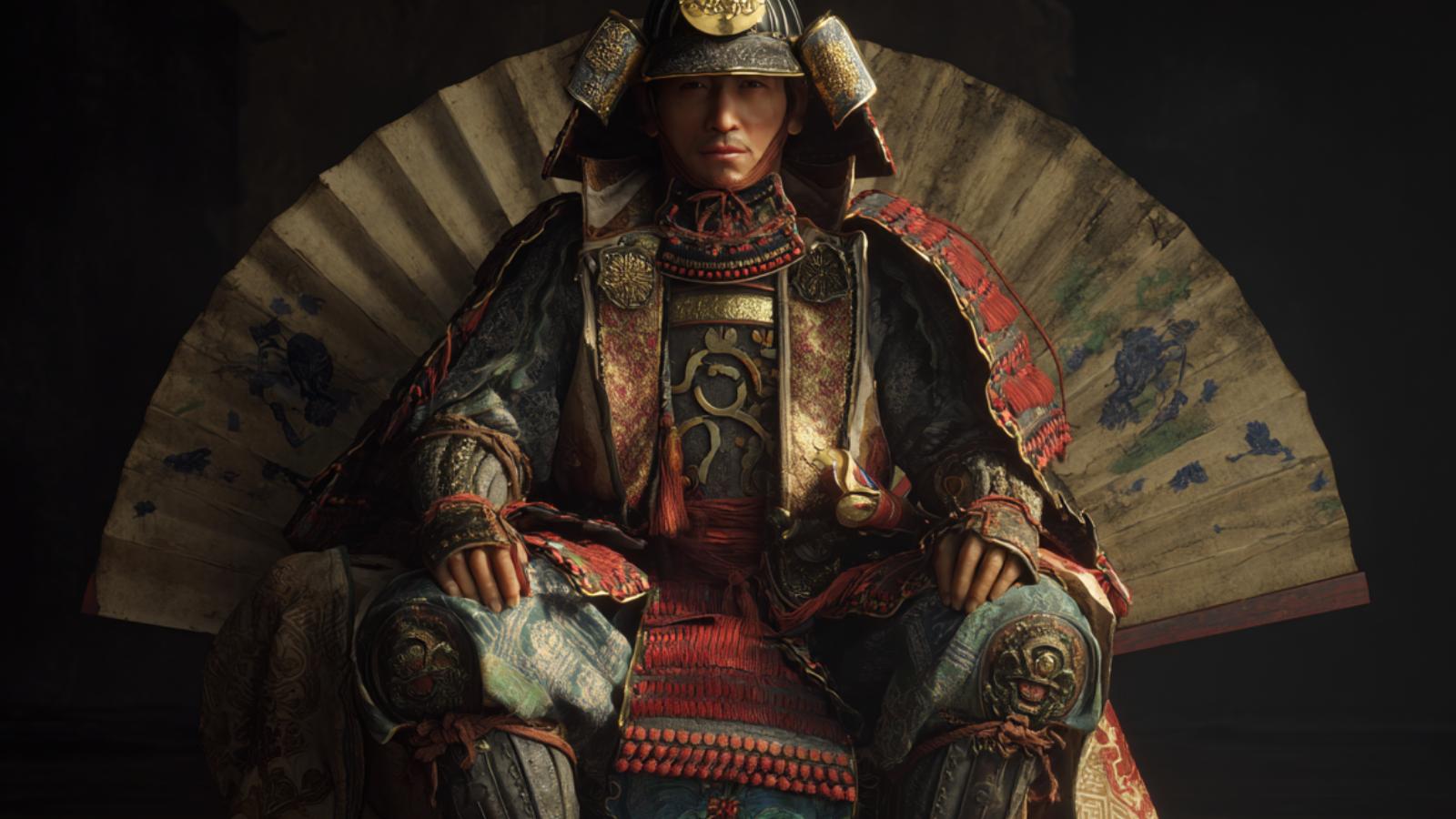
“武士は死ぬことを恐れぬ。勝利と名誉のために生きる。”
— A warrior fears not death; they live for victory and honor.

| Lead 統率 |
Valor 武勇 |
Intel 知略 |
Pol 政治 |
|---|---|---|---|
| 76 | 80 | 72 | 65 |
| Name (JP) | 糟屋 武則 |
|---|---|
| Title | Daimyo |
| Clan / Force | Unknown |
| Era | 1551 – 1621 |
| Origin | Chikuzen |
| Key Battles | |
| Arts | Martial Arts |
About Kasuya Takenori
Raised in a time of constant conflict, he was trained in the arts of war from a young age, inheriting a deep sense of honor and duty towards his clan.
As a member of the Shugo class, he learned the responsibilities of leadership early on, setting the stage for his future role as a warrior and leader.
Takenoris began in the late 1570s during the campaigns against various rival clans.
His reputation for bravery and tactical skill grew as he participated in several key, aligning himself with more powerful daimyos.
By the late 1580s, he had established himself as a capable commander, proving his mettle in both defensive and offensive operations, which earned him the respect of his peers and subordinates alike.
He ultimately rose to the rank of daimyo, leading his own domain and managing resources strategically to strengthen his position against encroaching rivals.
Throughout his career, Kasuya Took part in numerous significant that shaped the political landscape of the time.
His notable engagements include his involvement in the Siege of Odawara and the campaigns against the Toyotomi clan, where he demonstrated his martial prowess.
His blend of intelligence and valor enabled him to secure several victories and forge crucial alliances that benefited his clan and territory.
His impact on these solidified his reputation as a formidable daimyos, yet he remained humble, treating his troops with respect and care.
Kasuya Takenori passed away in 1621, leaving behind a of honor and strategic brilliance.
While not as widely recognized as other samurai of his era, his contributions to his clan and the broader conflicts of the Sengoku period were significant.
Histories of the time recount his valor and leadership, ensuring that his name would persist through the annals of Japanese history.
His teachings in martial arts continued to inspire future generations of samurai, making him a respected figure in the martial traditions of Japan.









comment