
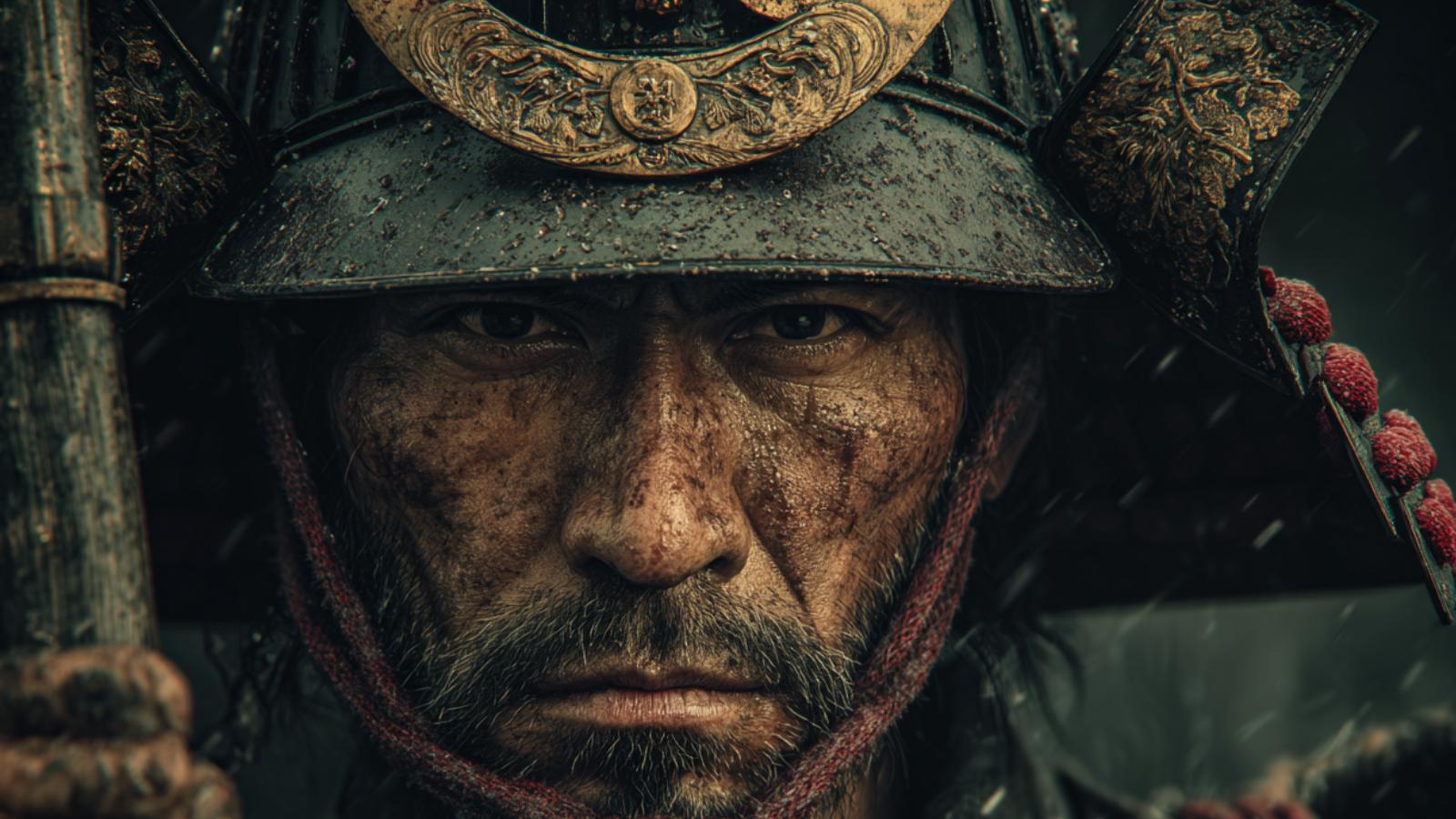
“手柄なしに勝利はなし。”
— No victory comes without deeds.

| Lead 統率 |
Valor 武勇 |
Intel 知略 |
Pol 政治 |
|---|---|---|---|
| 75 | 70 | 65 | 60 |
| Name (JP) | 笠原 康勝 |
|---|---|
| Title | Chief Retainer |
| Clan / Force | Unknown |
| Era | 1550 – 1600 |
| Origin | Kōzuke |
| Key Battles | |
| Arts | Calligraphy |
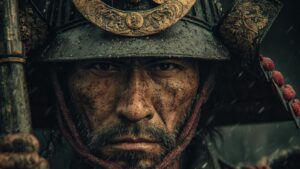
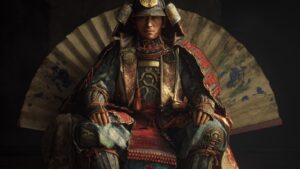
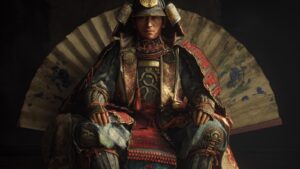
About Kasahara Yasukatsu
Coming from a samurai lineage, he was trained from a young age in the arts of war and governance, a common path for those destined to become retainers of powerful lords.
His early training emphasized not only martial skills but also the importance of loyalty and duty, principles that would later define his career.
As a young man, Yasukatsu served under a local daimyo, distinguishing himself through his tactical foresight and bravery in battle.
He played key roles in various skirmishes during the unification of Japan, demonstrating a keen ability to navigate the chaotic political landscape of the Sengoku era.
His loyalty and military capability earned him the respect of his peers, and he was eventually promoted to the position of chief retainer, where he was responsible for managing the daimyos affairs and overseeing military campaigns.
Throughout his career, Yasukatsu participated in numerous that tested his resolve and skills.
One of the pivotal moments was the Siege of Takamatsu, where his leadership significantly contributed to the successful operations against opposing forces.
His strategies often involved a combination of direct confrontation and alternative tactics, reflecting a deep understanding of his enemies movements and weaknesses.
Though not a legendary figure like some of his contemporaries, his contributions were vital during crucial moments in the conflicts that shaped the era.
Kasahara Yasukatsus endures through the tales of loyalty and valor associated with his name.
While he may not have achieved the highest ranks of fame, his impact on the samurai culture of his time remains significant.
His dedication to his lord and his skillful governance served as a model for upcoming generations of warriors.
Yasukatsu exemplified the virtues of the samurai code, making his mark as a capable general whose life reflects the turbulent yet storied past of the Sengoku period.
comment