
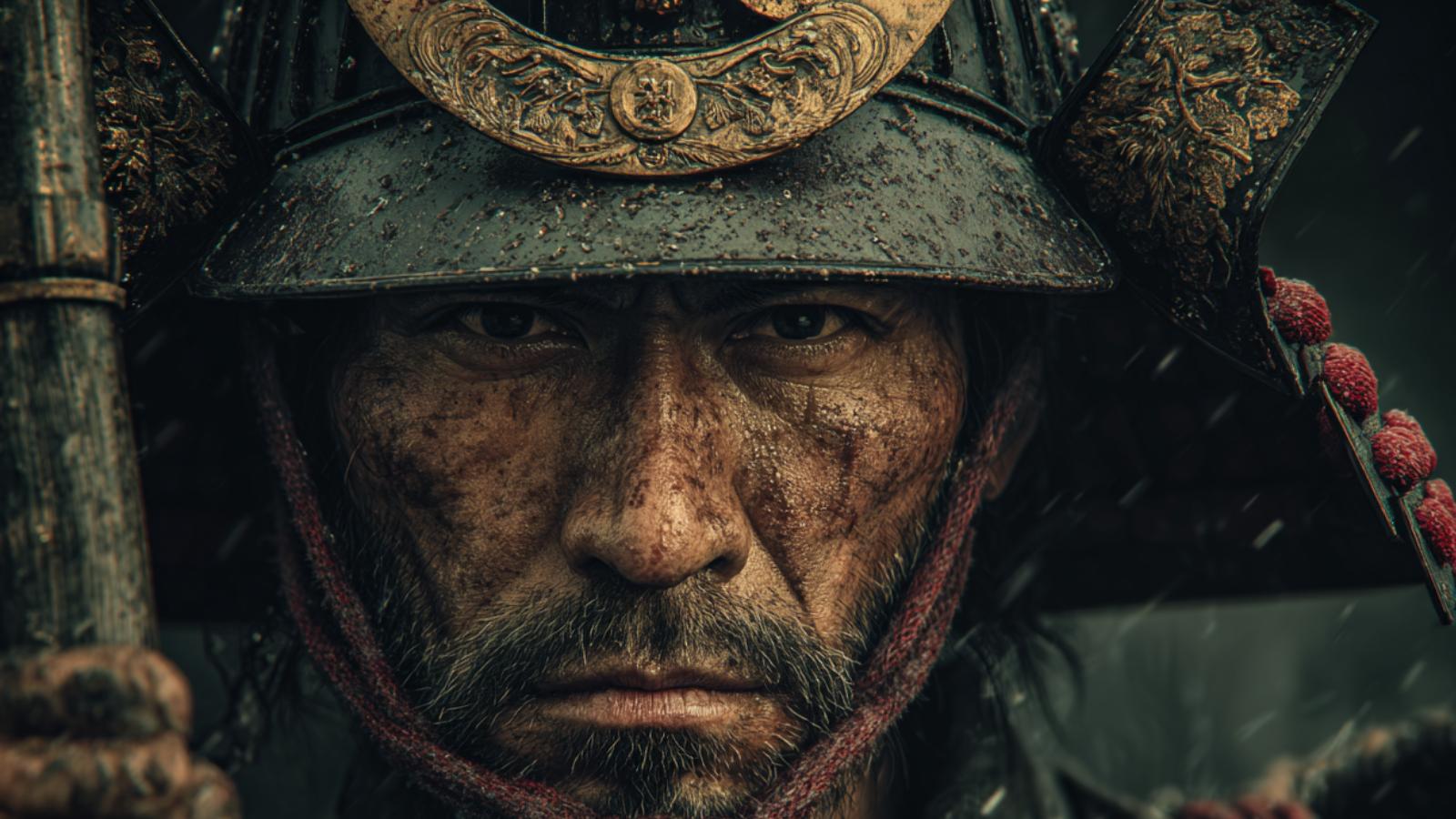
“剣は心を映す鏡である。”
— The sword reflects the heart like a mirror.

| Lead 統率 |
Valor 武勇 |
Intel 知略 |
Pol 政治 |
|---|---|---|---|
| 70 | 75 | 85 | 70 |
| Name (JP) | 鐘捲 自斎 |
|---|---|
| Title | Kenshi |
| Clan / Force | Mouri Clan |
| Era | 1544 – 1621 |
| Origin | Kōzuke |
| Key Battles | |
| Arts | Kenjutsu |
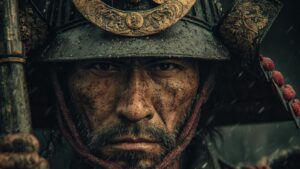
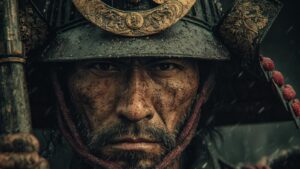
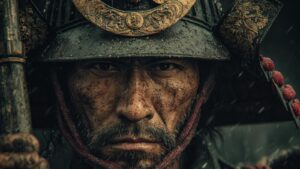
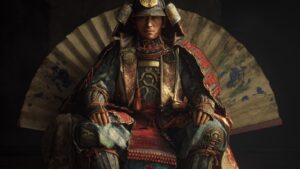
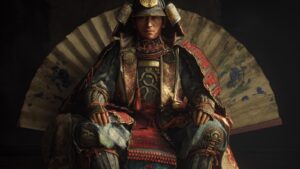
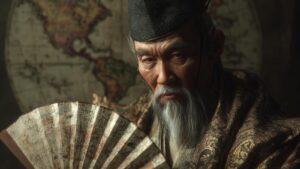
About Kanemaki Jisai
From a young age, he was immersed in the traditions of bushido and trained in various martial arts, particularly kenjutsu.
Jisai was influenced by the tumultuous environment of the Sengoku period, which shaped his outlook and ambition as a warrior.
His name became synonymous with skill and honor as he advanced through the ranks.
Jisai earned recognition for his exceptional swordsmanship, leading to his association with several notable warlords of the era.
His tactical mind and proven combat skills allowed him to quickly in reputation, and he eventually became a trusted advisor and swordsman for influential daimyo.
His agency in negotiating peace treaties also showcased his understanding of politics in a time rife with conflict.
Throughout his career, Kanemaki Jisai participated in several key during the Sengoku period.
His strategic insights and bravery on the battlefield earned him respect from allies and adversaries alike.
Jisais approach combined martial skill with intellect, allowing him to contribute more than just brute force to his causes.
His dedication to mastering the sword and understanding tactics helped him prevail in many engagements.
Kanemaki Jisai is remembered not only for his martial prowess but also for his philosophical insights regarding warfare and honor.
His teachings continue to influence modern kenjutsu practitioners.
The quote, The sword reflects the heart like a mirror, encapsulates his belief in the harmony between the warriors spirit and the art of the sword.
Today, Jisai stands as a testament to the ideal samurai, valuing both skill in battle and wisdom in governance.
comment