
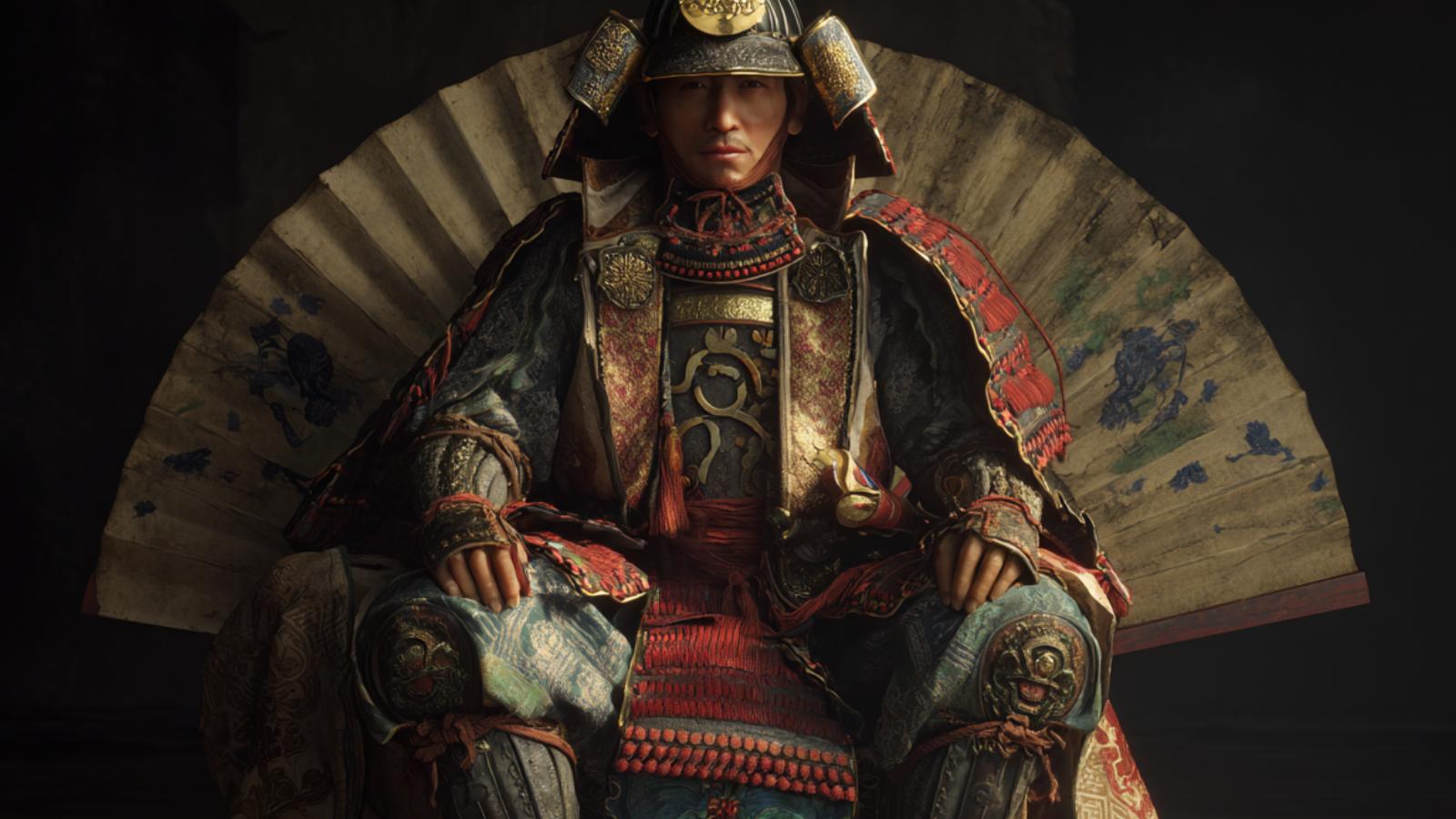
“義を持って行動すれば、必ず道が開ける。”
— If you act with righteousness, the path will surely open.

| Lead 統率 |
Valor 武勇 |
Intel 知略 |
Pol 政治 |
|---|---|---|---|
| 75 | 70 | 80 | 65 |
| Name (JP) | 金森 宗和 |
|---|---|
| Title | Daimyo |
| Clan / Force | Matsumae Clan |
| Era | 1540 – 1600 |
| Origin | Kōzuke |
| Key Battles | |
| Arts | Noh Theatre |
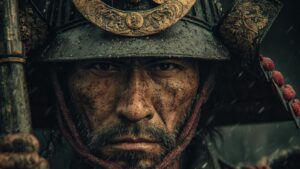
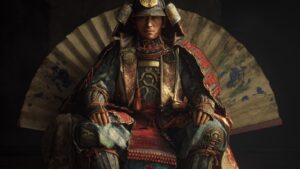
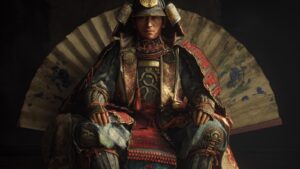
About Kanamori Sowa
His early upbringing was steeped in martial training and the arts, which would shape his future both on the battlefield and in cultural pursuits.
As a young samurai, he demonstrated aptitude not only in warfare but also in the traditional arts, particularly Noh theatre, establishing a reputation that would follow him throughout his life.
Sowa rose to prominence during the turbulent years of the Sengoku period, aligning himself with powerful warlords and showcasing his abilities as a capable general.
His intelligence and valor on the battlefield earned him the respect of his peers and superiors alike.
He was particularly noted for his strategic thinking and ability to adapt to changing circumstances in military engagements, which enabled him to successfully manage his domain and achieve victories despite the odds.
Throughout his career, Kanamori Sowa engaged in several significant, often leading troops with a mix of boldness and caution.
He was instrumental during the various campaigns of the region, negotiating alliances and using clever tactics to outsmart opponents.
His greatest challenges came during the conflicts that arose towards the end of the Sengoku period, where his leadership was crucial in defining the future of Kōzuke province amid a shifting political landscape.
Kanamori Sowas extends beyond his military exploits; he was a patron of the arts and played a pivotal role in fostering Noh theatre within Kōzuke.
He is remembered as a well-rounded figure, whose contributions to both governance and culture left a lasting impact.
Although less known than some of his contemporaries, Sowa’s dedication to righteousness and culture continues to inspire future generations.
comment