
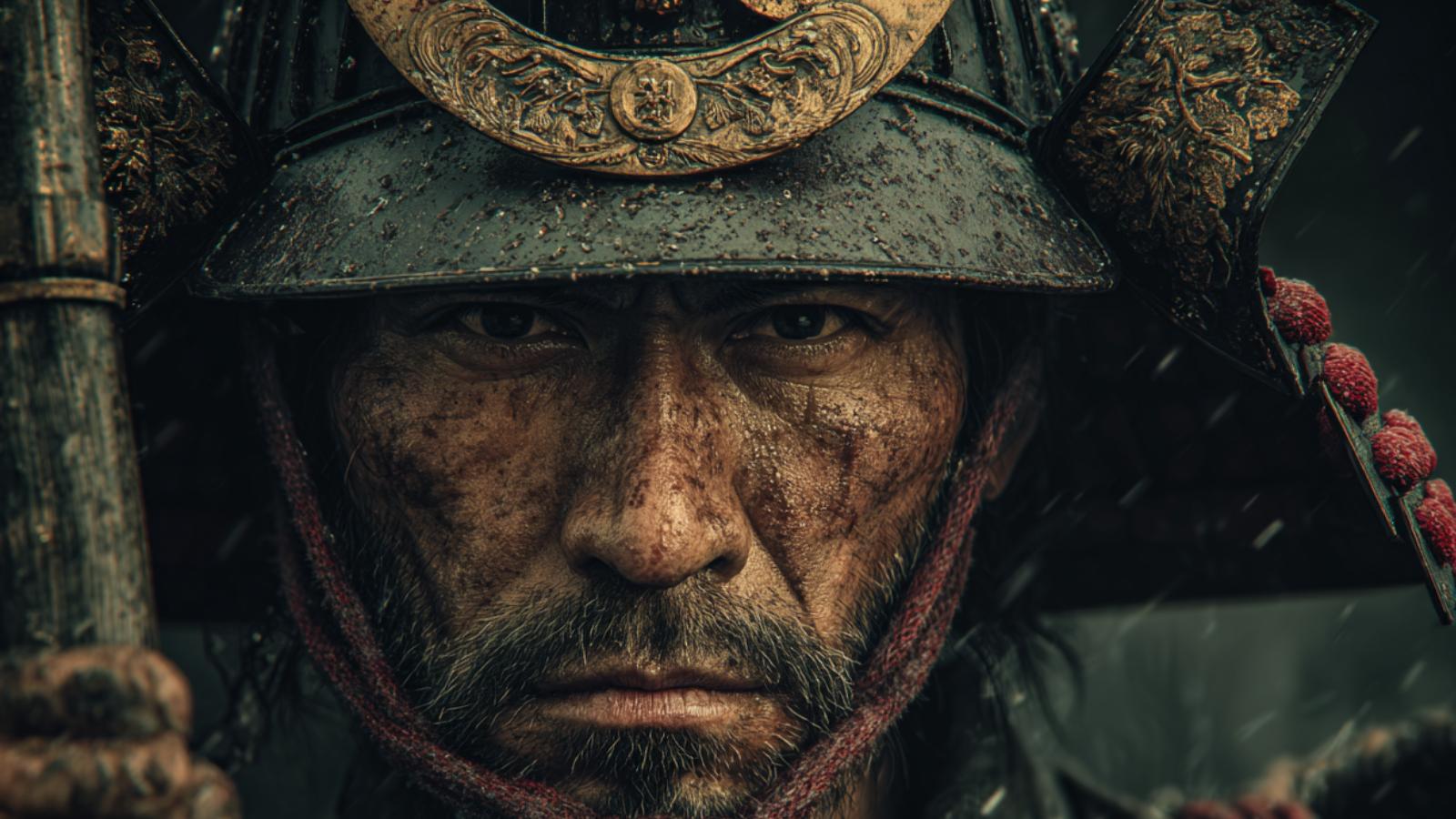
“勝利は忍耐によって得られる。”
— Victory is achieved through patience.

| Lead 統率 |
Valor 武勇 |
Intel 知略 |
Pol 政治 |
|---|---|---|---|
| 65 | 70 | 75 | 60 |
| Name (JP) | 鎌田 政年 |
|---|---|
| Title | Samurai |
| Clan / Force | Unknown |
| Era | 1540 – 1605 |
| Origin | Suruga |
| Key Battles | |
| Arts | Calligraphy |
About Kamata Masatoshi
Coming from a noble lineage of Shugo, he was raised amidst the traditions of the samurai, which instilled a strong sense of duty and honor in him from a young age.
His was defined by rigorous training in martial arts and strategy, preparing him for a future as a capable warrior.
In the early years of his career, Masatoshi served under a local daimyo, quickly distinguishing himself as a reliable retainer.
His leadership skills and keen understanding of battlefield tactics allowed him to gain recognition during various skirmishes against rival clans.
Masatoshis loyalty and bravery were evident as he led his troops into battle, eming the samurai code of Bushido and earning the respect of both allies and foes alike.
Throughout the latter half of the 16th century, Masatoshi participated in several significant as a key figure on the battlefield.
He played a notable role in the campaigns of his lord during the quest for unification in Japan.
His strategies often turned the tide in engagements, showcasing both his tactical foresight and valor in personal combat.
However, despite his accomplishments, he never fully rose beyond the status of a capable samurai, which eventually shaped his in the shadow of greater figures of the time.
Kamata Masatoshi passed away in 1605, leaving behind a as a diligent samurai who valued honor and loyalty above all else.
His contributions to the warfare of the Sengoku period, while perhaps overshadowed by more prominent leaders, remain respected among samurai historians.
His famous quote about patience reflects his understanding of the long game in both life and war, symbolizing the dedication he showed throughout his career.









comment