
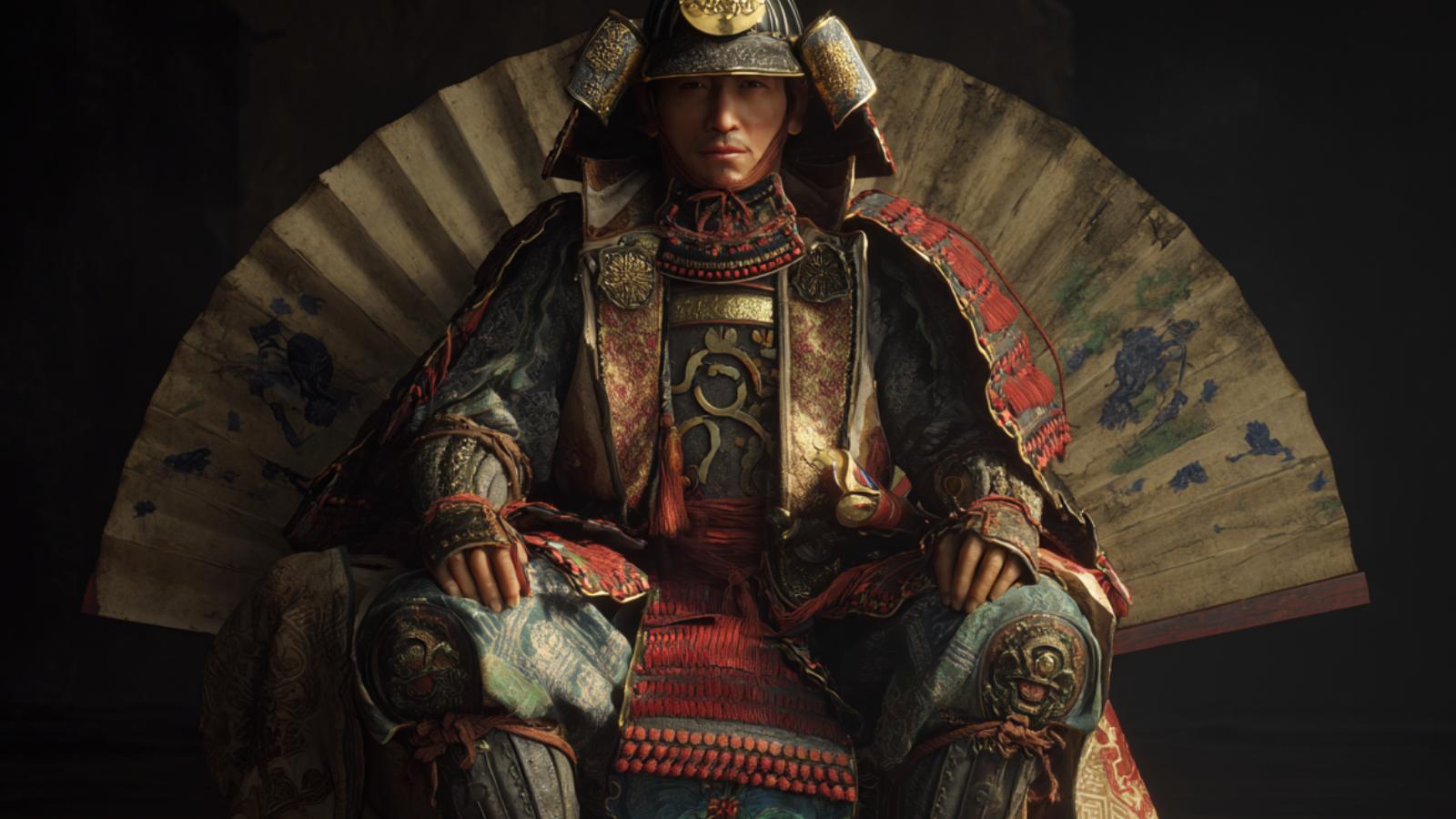
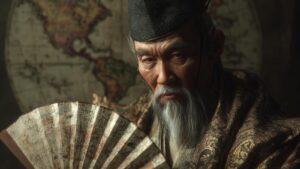
“志を高く持ち、心を一つにせよ。”
— Hold your aspirations high and unite your hearts.

| Lead 統率 |
Valor 武勇 |
Intel 知略 |
Pol 政治 |
|---|---|---|---|
| 70 | 75 | 65 | 60 |
| Name (JP) | 蒲池 鑑盛 |
|---|---|
| Title | Daimyo |
| Clan / Force | Unknown |
| Era | 1535 – 1600 |
| Origin | Bungo |
| Key Battles | |
| Arts | Martial Arts |
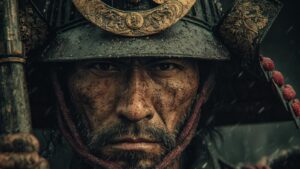
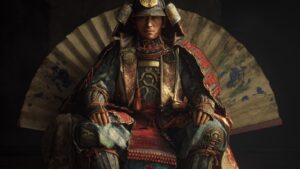
About Kamachi Akimori
Coming from the lineage of shugo, he was raised in an environment steeped in martial tradition and governance.
His family had retained prominence in the region, which provided him with a strong foundation for his future endeavors.
Akimoris was marked by rigorous training in martial arts and strategy, preparing him for the tumultuous times that lay ahead.
As the Sengoku period unfolded, Akimori quickly made a name for himself as a capable leader and warrior.
By leveraging his connections and his significant martial skills, he managed to gain the trust of local lords.
His reputation grew as he participated in various skirmishes and, demonstrating solid tactical understanding and the ability to inspire his men.
His was not without challenges, as rival clans often sought to undermine his growing influence.
However, his resilience and strategic prowess saw him navigate these conflicts successfully.
Throughout his career, Kamachi Akimori engaged in multiple noteworthy that showcased his leadership and valor.
He proved himself during the campaigns against rival clans, often leading his forces into critical engagements that would determine the balance of power in the region.
His strategic insights often turned the tide of in favor of his side.
While he may not have achieved the legendary status of some of his contemporaries, Akimori was respected by both allies and foes alike for his honed combat abilities and noble demeanor on the battlefield.
His role as a daimyo also required him to balance governance and warfare, a task he managed with commendable, albeit limited, political acumen.
Kamachi Akimoris is reflected in the tales of bravery and honor that characterized his life as a samurai.
While his name may not be as widely known as those of greater generals of his time, his contributions to the stability of the Bungo province during the Sengoku period have been significant.
He left behind a of loyalty and valor that inspired future generations of samurai.
The martial arts he practiced continued to influence samurai training well into the ages, reminding us of the importance of discipline, strategy, and honor in the samurai code.

comment