
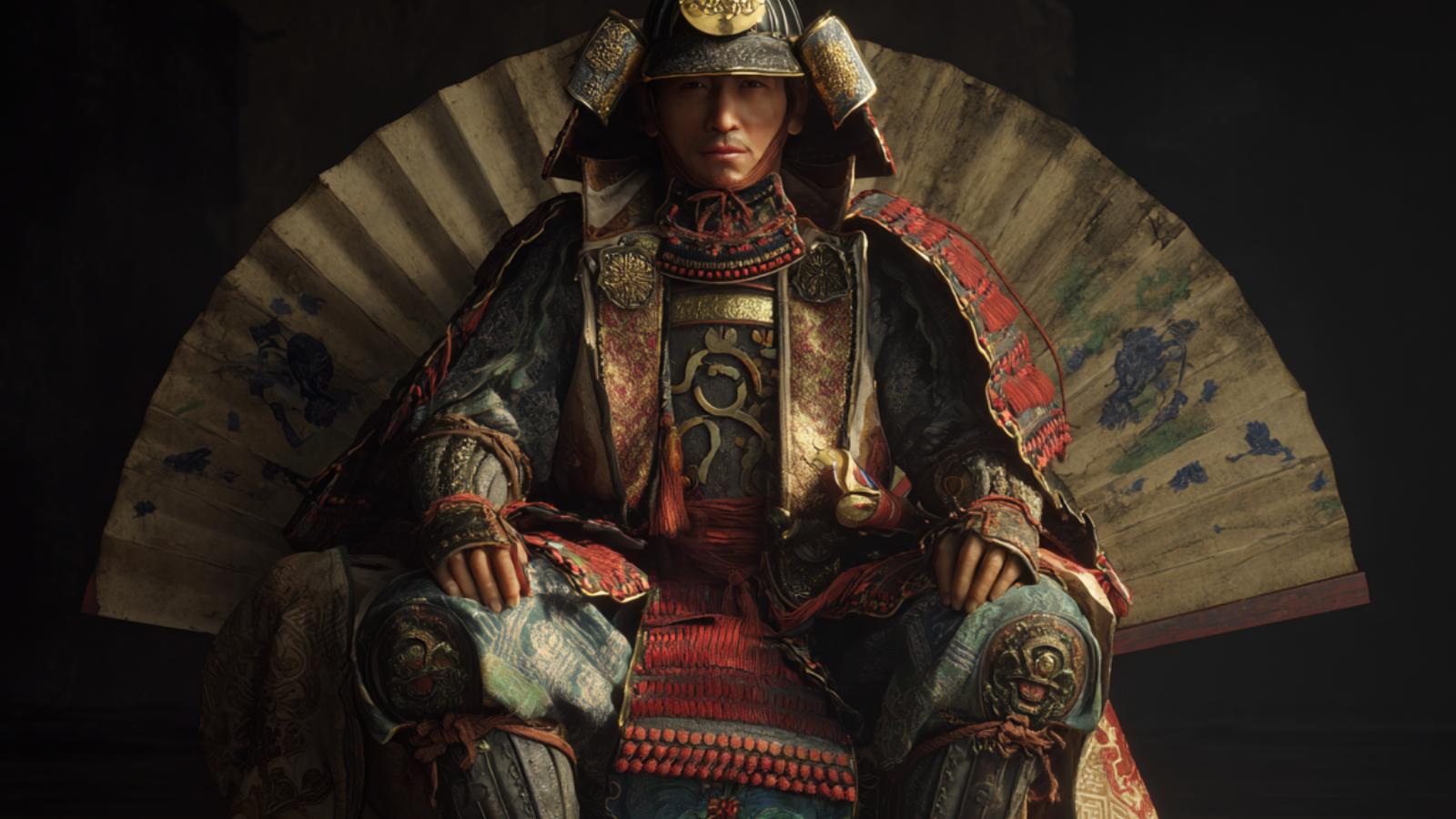
“大志を抱け、無限の可能性を信じろ。”
— Embrace great ambitions and believe in limitless possibilities.

| Lead 統率 |
Valor 武勇 |
Intel 知略 |
Pol 政治 |
|---|---|---|---|
| 80 | 75 | 70 | 65 |
| Name (JP) | 蠣崎 光数 |
|---|---|
| Title | Daimyo |
| Clan / Force | Uesugi Clan |
| Era | 1530 – 1587 |
| Origin | Mutsu |
| Key Battles | |
| Arts | Noh Theatre |
About Kakizaki Mitsusuke
From a young age, he was exposed to the martial traditions of the samurai, which heavily influenced his development into a capable leader.
The region was marked by constant strife during the Sengoku period, which shaped Mitsusukes ambition to unite and govern his territory more effectively., Mitsusuke began his career as a retainer for the powerful Ashina clan.
His tactical skills quickly became apparent as he aided in several key .
By the 1560s, he succeeded in gaining autonomy for his domain, allowing him to adopt the of daimyō.
His rule was characterized by a focus on strengthening military defenses and improving the governance of his lands, fostering loyalty among his vassals., Throughout his tenure, Mitsusuke participated in numerous conflicts during the turbulent late Sengoku period.
His strategic insights during against rival clans earned him a reputation as a capable general, well-respected by both allies and enemies.
Despite his skill in combat, he often preferred diplomacy over war, seeking alliances that could strengthen his own position and protect his interests., Kakizaki Mitsusukes lies in his ability to balance warfare and diplomacy in an era defined by chaos and fragmentation.
He is remembered for his contributions to the stability of Mutsu Province, shaping its future long after his death in 1587.
His efforts to promote the arts, particularly Noh theatre, also highlight the cultural achievements of his era, painting him as a well-rounded leader who understood the value of culture alongside combat.









comment