
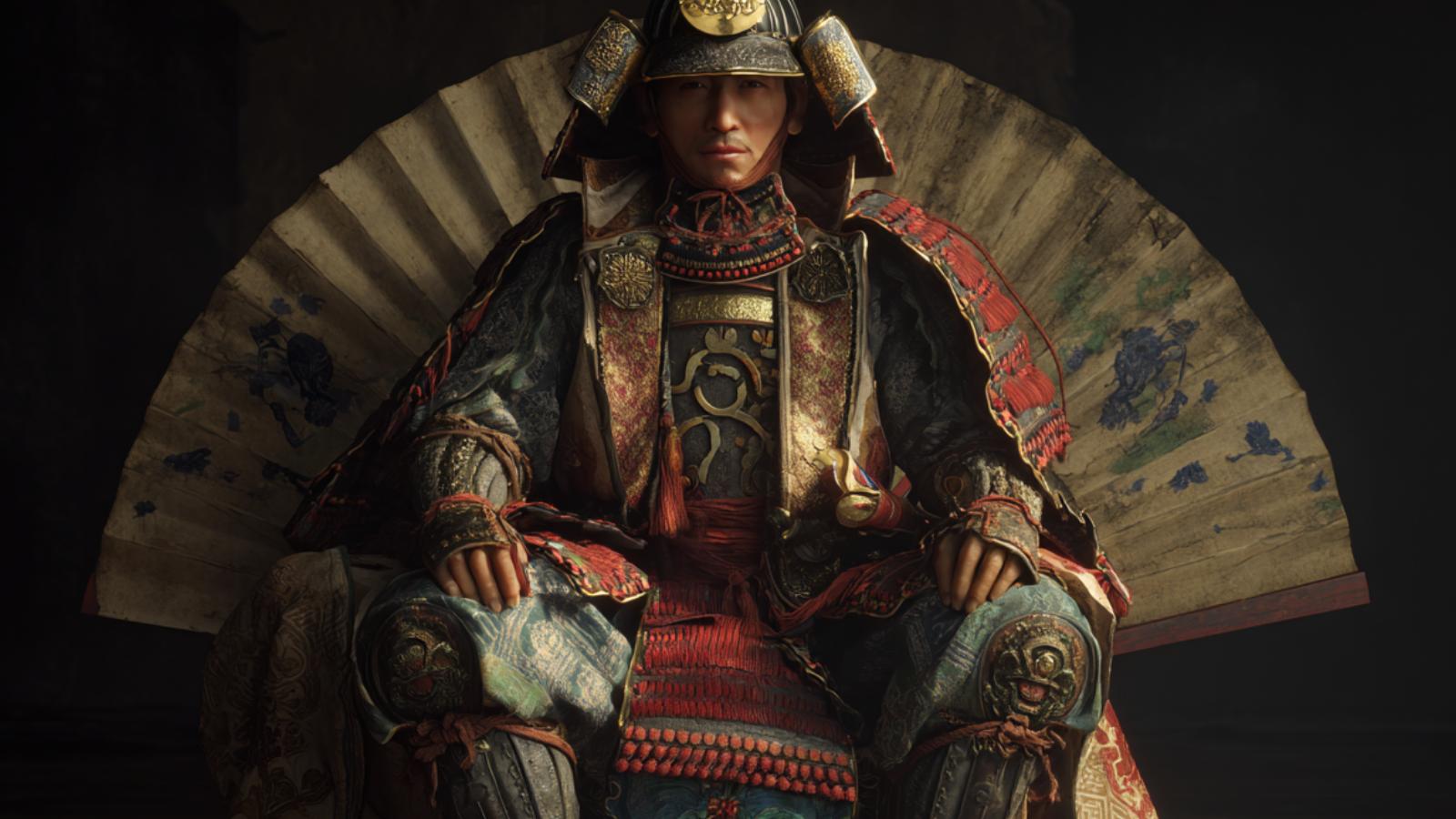
“戦は知恵と勇気、二つの刃を持つ剣だ。”
— War is a sword with two blades: wisdom and courage.

| Lead 統率 |
Valor 武勇 |
Intel 知略 |
Pol 政治 |
|---|---|---|---|
| 75 | 70 | 80 | 65 |
| Name (JP) | 柿崎 景家 |
|---|---|
| Title | Daimyo |
| Clan / Force | Uesugi Clan |
| Era | 1545 – 1582 |
| Origin | Etchū |
| Key Battles | |
| Arts | Noh Theater |
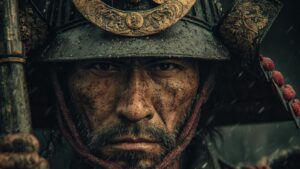
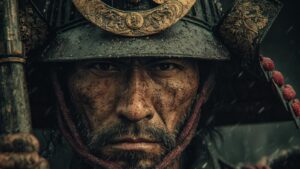
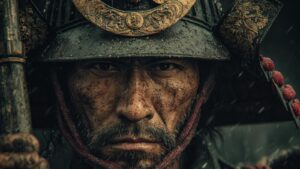
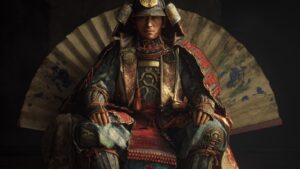
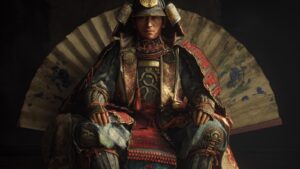
About Kakizaki Kageie
He came from a family of shugo (regional military governors), which shaped his early exposure to leadership and military tactics.
The volatile power struggles during his youth influenced his ambition and skill set.
Kageies early career was marked by alliances with key figures of the time, especially under Uesugi Kenshin, whom he served loyally.
His tactical acumen shone during various skirmishes as he proved himself capable of leading troops with both strategy and valor.
His intelligence in the political landscape allowed him to navigate through shifting allegiances, culminating in his recognition as a competent daimyo.
Throughout his career, Kageie participated in several notable during the Sengoku period.
He was recognized for his ability to marshal forces effectively and for his resolve in battle.
His campaigns against rival clans demonstrated his tactical innovations and his leadership qualities, earning him a considerable reputation among contemporaries.
Kakizaki Kageies is a blend of martial prowess and political shrewdness.
Though overshadowed by greater figures, he remains a respected character in samurai history.
His contributions to his clan and to the larger narrative of Japans unification in the late 16th century are honored, particularly in literature and bushido teachings.
His emphasis on strategy and wisdom in warfare continues to resonate with historians and enthusiasts of samurai culture.
comment