“武士は死ぬことで名を残す。”
— A samurai leaves a name by dying.

| Lead 統率 |
Valor 武勇 |
Intel 知略 |
Pol 政治 |
|---|---|---|---|
| 72 | 75 | 68 | 65 |
| Name (JP) | 海北 綱親 |
|---|---|
| Title | Daimyo |
| Clan / Force | Unknown |
| Era | 1561 – 1624 |
| Origin | Etchu |
| Key Battles | |
| Arts | Calligraphy |
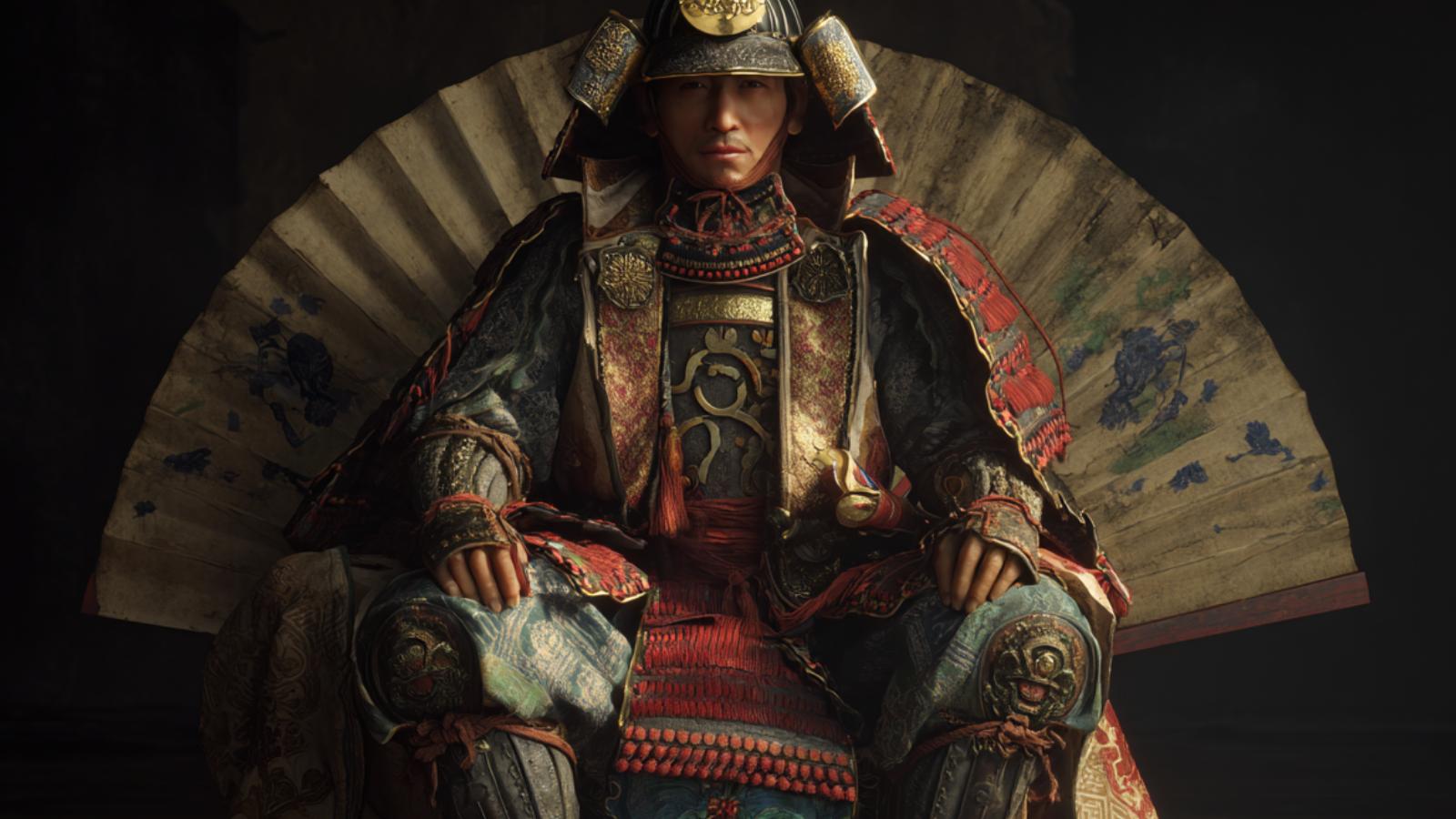
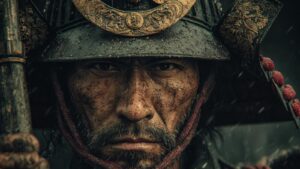
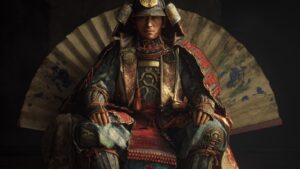
About Kaiho Tsunachika
Growing up during the tumultuous Sengoku period, he was exposed to the art of warfare and the principles of bushido from a young age.
His upbringing emphasized loyalty, honor, and martial skill, which would shape his future career as a samurai.
Tsunachika quickly rose through the ranks due to his tactical intelligence and bravery in battle.
He served under several notable warlords, including the formidable Uesugi clan, from whom he learned the nuances of strategy and leadership.
His ability to command respect from his peers and his troops made him a respected figure in the region, earning him the of Daimyo.
During his career, Tsunachika participated in numerous skirmishes and that defined the Sengoku era.
His strategic deployments were crucial in several conflicts, allowing him to retain and expand his territories.
Despite facing overwhelming odds at times, his valor and tenacity often turned the tide in his favor.
His notable engagements include the conflicts against the forces of Takeda and Tokugawa during major confrontations in the late 16th century.
Kaiho Tsunachika’s is one of a dedicated samurai who exemplified the virtues of loyalty, bravery, and the pursuit of honor.
After his death in 1624, he was remembered not only as a warrior but as a statesman who contributed to the stability of his region.
His adherence to the samurai code influenced future generations, serving as a model of the ideal samurai ethos.
comment