
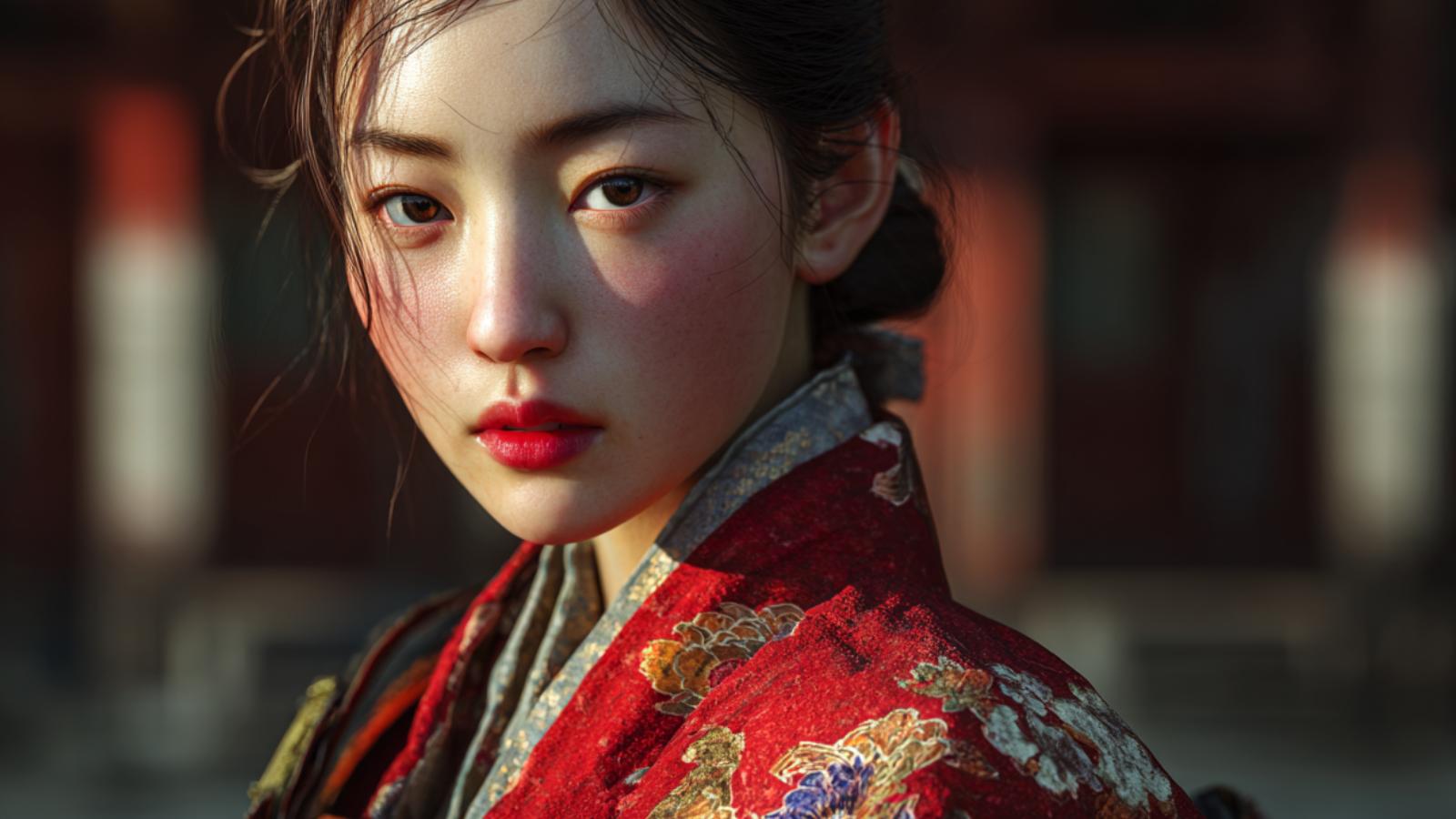
“女は武士としても、優雅さを貫き通すべきだ。”
— A woman, even as a warrior, should maintain her grace.

| Lead 統率 |
Valor 武勇 |
Intel 知略 |
Pol 政治 |
|---|---|---|---|
| 70 | 65 | 75 | 60 |
| Name (JP) | 甲斐姫 |
|---|---|
| Title | Samurai |
| Clan / Force | Takeda Clan |
| Era | 1560 – 1615 |
| Origin | Kai |
| Key Battles | |
| Arts | Noh Theatre |
About Kaihime
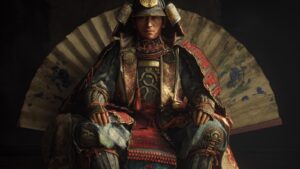
As a child of a samurai family, she was raised in the traditions of bushido, which included martial arts training and a profound sense of honor.
Her parents instilled in her the values of strength and resilience, preparing her for a time when her homeland would face numerous threats from rival clans.
As the Sengoku period intensified, Kaihime proved herself not only as a defender of her family but also as a formidable warrior.
She actively participated in the defense of her province against attackers and gained a reputation for her prowess in battle.
While many women of her time were expected to remain in domestic roles, she broke stereotypes by taking up arms alongside her male counterparts, earning respect and recognition from both allies and enemies alike.
Kaihime fought in several significant, including skirmishes against the Takeda clan, where her leadership and courage shone brightly.
Although she could not muster the same level of power as some of the great daimyōs of her time, her intimate knowledge of the terrain provided her small forces with an advantage during combat.
Her skills in tactics and the provincial alliances she forged proved vital in the countless nightly skirmishes for survival.
Kaihime’s lives on as a symbol of strength and determination in Japanese history, showcasing that women played essential roles even in the traditionally male-dominated military sphere.
Her story continues to inspire generations, emphasizing that the spirit of a warrior knows no gender.
Today, she is remembered not just as a brave samurai but as a pioneer who challenged societal norms.




comment