
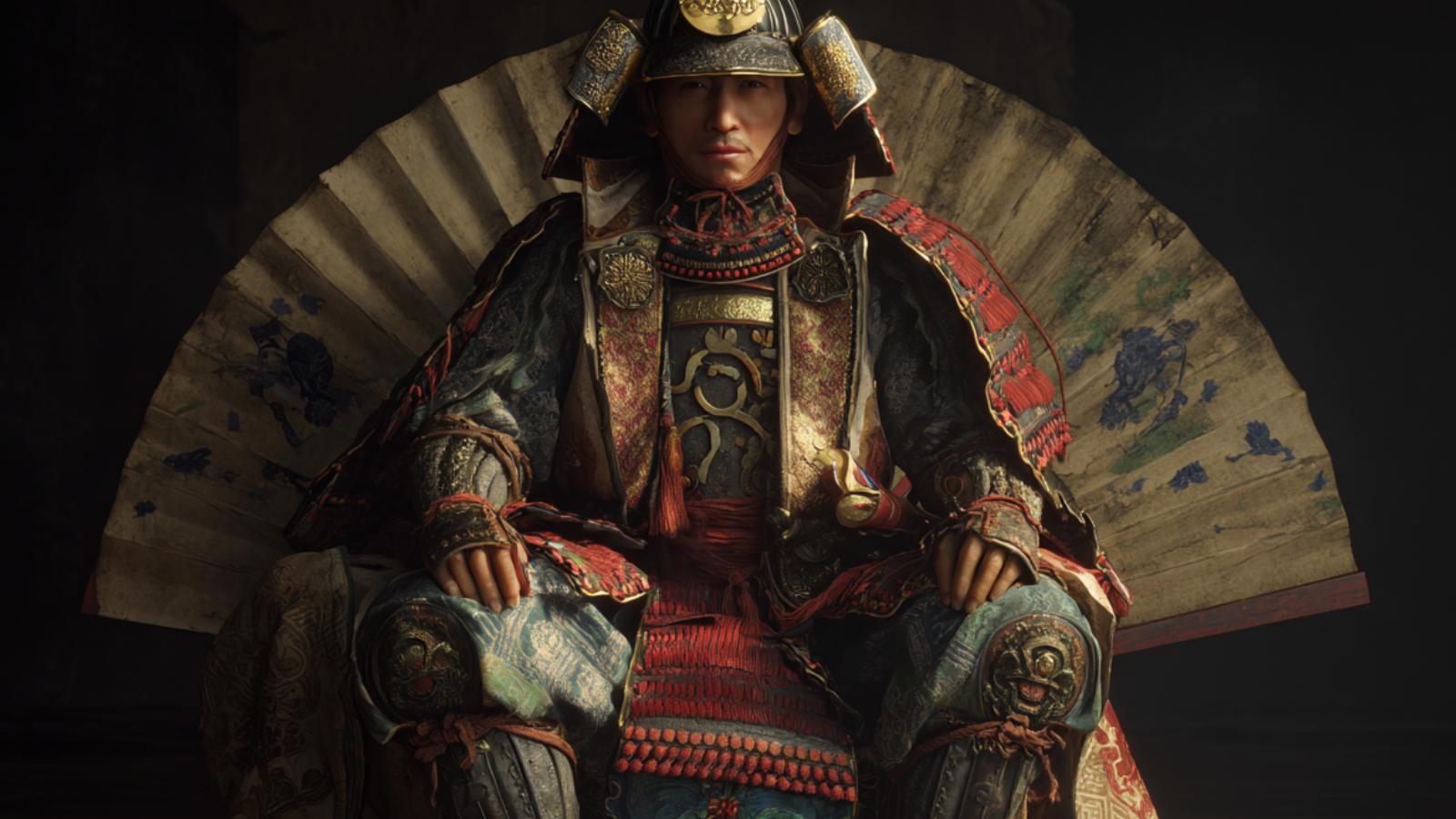
“我が刀は正義のためにある。”
— My sword exists for the sake of justice.

| Lead 統率 |
Valor 武勇 |
Intel 知略 |
Pol 政治 |
|---|---|---|---|
| 70 | 65 | 75 | 60 |
| Name (JP) | 樺山 久高 |
|---|---|
| Title | Daimyo |
| Clan / Force | Tokugawa Shogunate |
| Era | 1580 – 1635 |
| Origin | Echizen |
| Key Battles | |
| Arts | Calligraphy |
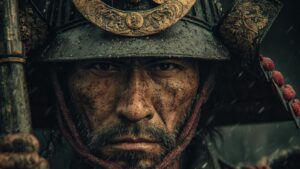
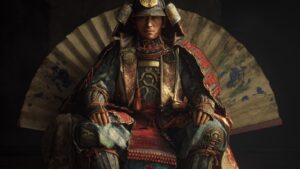
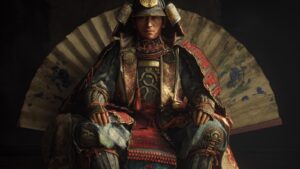
About Kabayama Hisataka
Coming from a samurai lineage, he was immersed in the traditions and martial practices of the samurai from a young age.
His early training emphasized both martial skills and the ethical responsibilities of a samurai, preparing him for a life of leadership and honor.
As a young warrior, Hisataka quickly proved himself in skirmishes and, displaying extraordinary tactical awareness and courage.
His reputation grew as a capable leader, earning him the respect of his peers and superiors.
By the time he attained the of Daimyo, he was well-known for his just governance and strategic prowess in the ongoing conflicts of the era.
Hisataka participated in several notable during the latter part of the Sengoku period, where his keen intellect and valor were tested extensively.
He often employed unconventional strategies that caught his adversaries off guard, allowing him to secure victories in seemingly insurmountable situations.
While not a legend like Nobunaga or Ieyasu, his efforts contributed to shaping the power dynamics of the time and provided significant support to larger campaigns, securing his place in history as an influential figure.
Kabayama Hisatakas is one of justice and strategy.
Although he is not a widely recognized figure in the same vein as the great daimyō, he is respected among historians for his contributions to the martial landscape.
His commitment to ethics in warfare and governance influenced future generations and reinforced the samurai code of honor that remains emblematic of the samurai spirit.
comment