
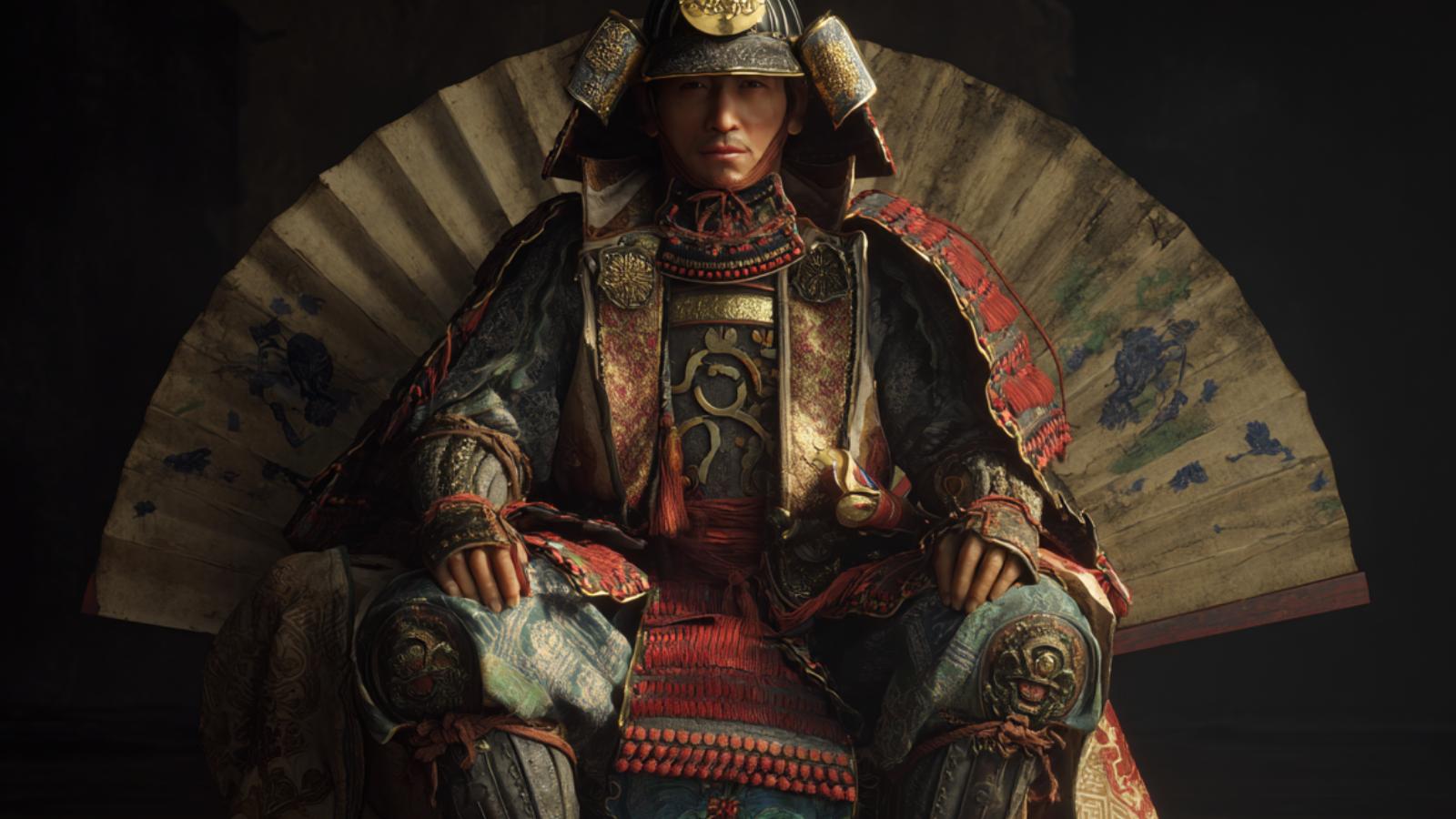
“義のために戦う。”
— Fight for justice.

| Lead 統率 |
Valor 武勇 |
Intel 知略 |
Pol 政治 |
|---|---|---|---|
| 70 | 75 | 78 | 65 |
| Name (JP) | 准如 |
|---|---|
| Title | Daimyo |
| Clan / Force | Unknown |
| Era | 1549 – 1620 |
| Origin | Ise |
| Key Battles | |
| Arts | Ikebana |
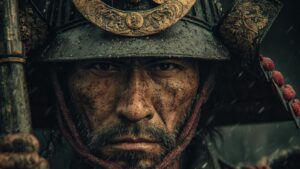
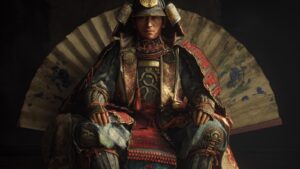
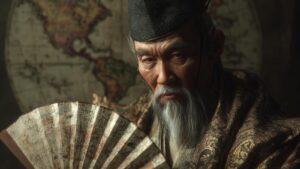
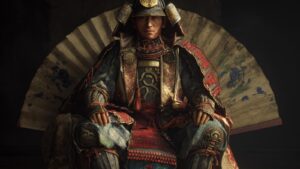
About Junnyo
His early education included martial arts, strategy, and the various cultural arts that defined samurai excellence.
Junnyos to power began in the late 16th century when he demonstrated his capabilities in skirmishes against local rivals.
His blend of strategic thinking and battlefield valor earned him recognition among his peers, leading to his appointment as daimyo.
He cultivated strong alliances that bolstered his status and military strength.
Throughout his career, Junnyo participated in several critical, showcasing his adeptness at both leading troops and engaging in personal combat.
His strategies in these conflicts often focused on misdirection and surp, allowing his forces to outmaneuver larger enemy contingents.
These tactics solidified his reputation as a capable and respected leader among other samurai and daimyos.
Junnyos is one of honor, justice, and tactical brilliance.
After his death in 1620, he was remembered as a figure who fought not just for power, but for the well-being of his people.
His teachings and strategies continued to influence future generations of samurai, making him a notable figure in the history of the samurai class.
comment