
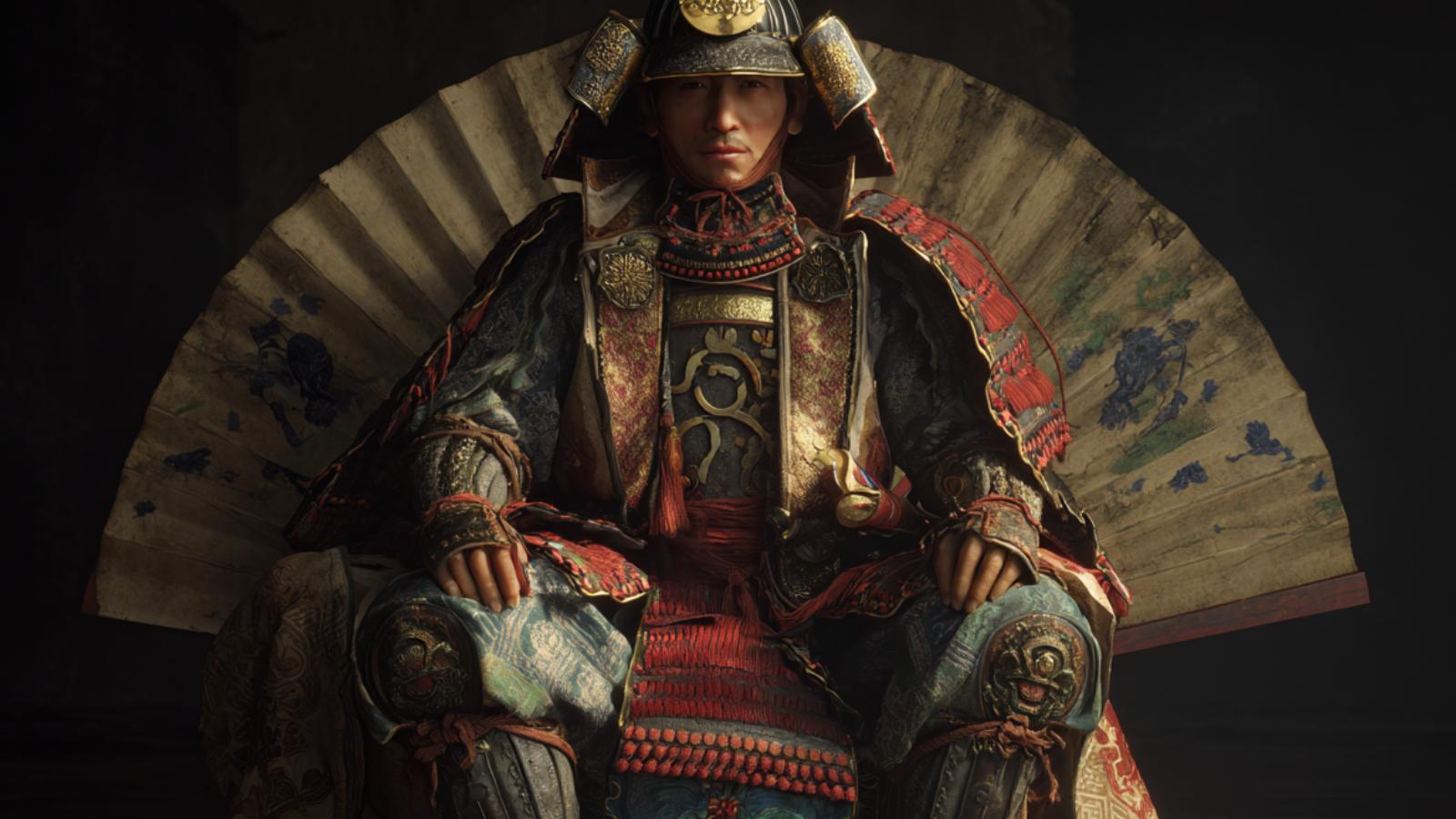
“平和は常に力の後に来る。”
— Peace always follows strength.

| Lead 統率 |
Valor 武勇 |
Intel 知略 |
Pol 政治 |
|---|---|---|---|
| 70 | 60 | 75 | 65 |
| Name (JP) | 実如 |
|---|---|
| Title | Daimyo |
| Clan / Force | Uesugi Clan |
| Era | 1561 – 1642 |
| Origin | Mikawa |
| Key Battles | |
| Arts | Tea Ceremony |
About Jitsunyo
He came from a lineage of shugo, or military governors, which instilled in him the martial values and skills necessary for his future endeavors.
As a young warrior, Jitsunyo was trained in various forms of combat and strategy, preparing him for his inevitable in the ranks of samurai.
As Japan emerged from the chaos of constant warfare, Jitsunyo positioned himself as a capable leader and strategist.
He served under several daimyos and gradually earned a reputation for his tactical intelligence and competent governance.
His ability to unite and command troops under his leadership was particularly noted, showcasing a level of skill that set him apart from many contemporaries.
Though not the most legendary figure of his time, he was respected among peers and contributed significantly to the military efforts during the unification of Japan.
Throughout his career, Jitsunyo participated in several key that were crucial to the unification of Japan.
His strategic mind and bravery earned him the trust of his allies, although he often faced formidable opponents.
Despite his less illustrious compared to the likes of Oda Nobunaga and Tokugawa Ieyasu, Jitsunyo played a vital role as a capable general in various skirmishes and was present during pivotal moments that shaped the nation’s future.
Jitsunyo died in 1642, leaving behind a of stability and governance in his region.
His dedication to the arts, particularly the tea ceremony, reflected his belief in the importance of culture alongside martial prowess.
Even today, he is remembered not as a warlord, but as a promoter of peace and culture, eming the samurai ideal that strength should lead to harmony rather than chaos.









comment