
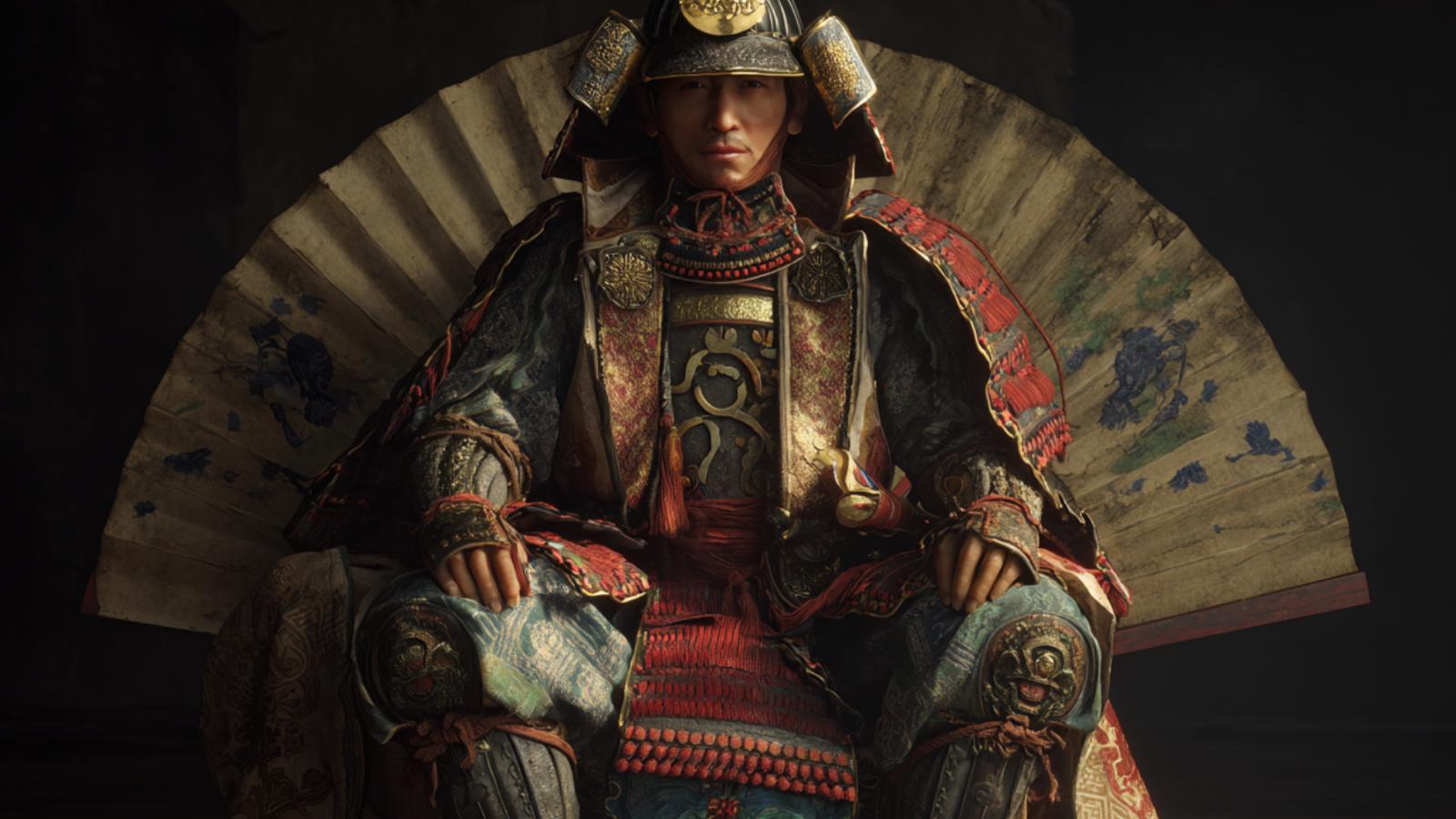
“武士道は怯えぬ心なり。”
— The way of the warrior is a heart that knows no fear.

| Lead 統率 |
Valor 武勇 |
Intel 知略 |
Pol 政治 |
|---|---|---|---|
| 72 | 69 | 75 | 70 |
| Name (JP) | 岩城 常隆 |
|---|---|
| Title | Daimyo |
| Clan / Force | Uesugi Clan |
| Era | 1560 – 1626 |
| Origin | Iwashiro |
| Key Battles | |
| Arts | Calligraphy |
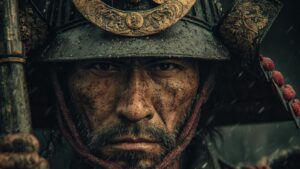
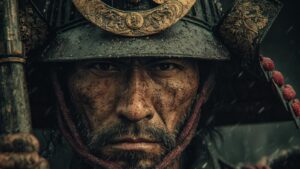
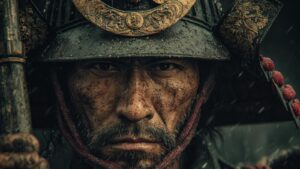
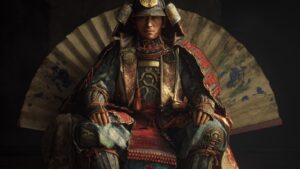
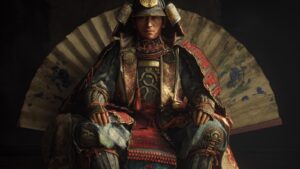
About Iwaki Tsunetaka
Coming from a samurai lineage, he was raised in the turbulent era of the Sengoku period, where he trained rigorously in martial arts and strategy from a young age.
His familys reputation as skilled warriors laid the foundation for his future as a capable leader.
As Tokugawa Ieyasu began consolidating power, Tsunetaka aligned himself with Ieyasu’s forces, recognizing the potential for stability and growth under his rule.
His disciplined approach to warfare and governance caught the attention of Ieyasu, leading to his promotion to daimyo.
Tsunetaka focused on strengthening his domain, implementing effective agricultural policies that improved the livelihoods of his people.
In various skirmishes during the late 16th and early 17th centuries, Tsunetaka demonstrated his military acumen.
He participated in against rival clans and played a crucial role in securing key territories for Ieyasu.
His valor and tactical decisions earned him respect among both allies and foes, allowing him to maintain a solid standing in the changing political landscape of Japan.
Iwaki Tsunetaka passed away in 1626, leaving behind a of strength and integrity.
He is remembered not only for his contributions on the battlefield but also for his commitment to governance that valued the welfare of his people.
His life serves as an example of the balanced virtues of a samurai: courage, loyalty, and wisdom.
comment