
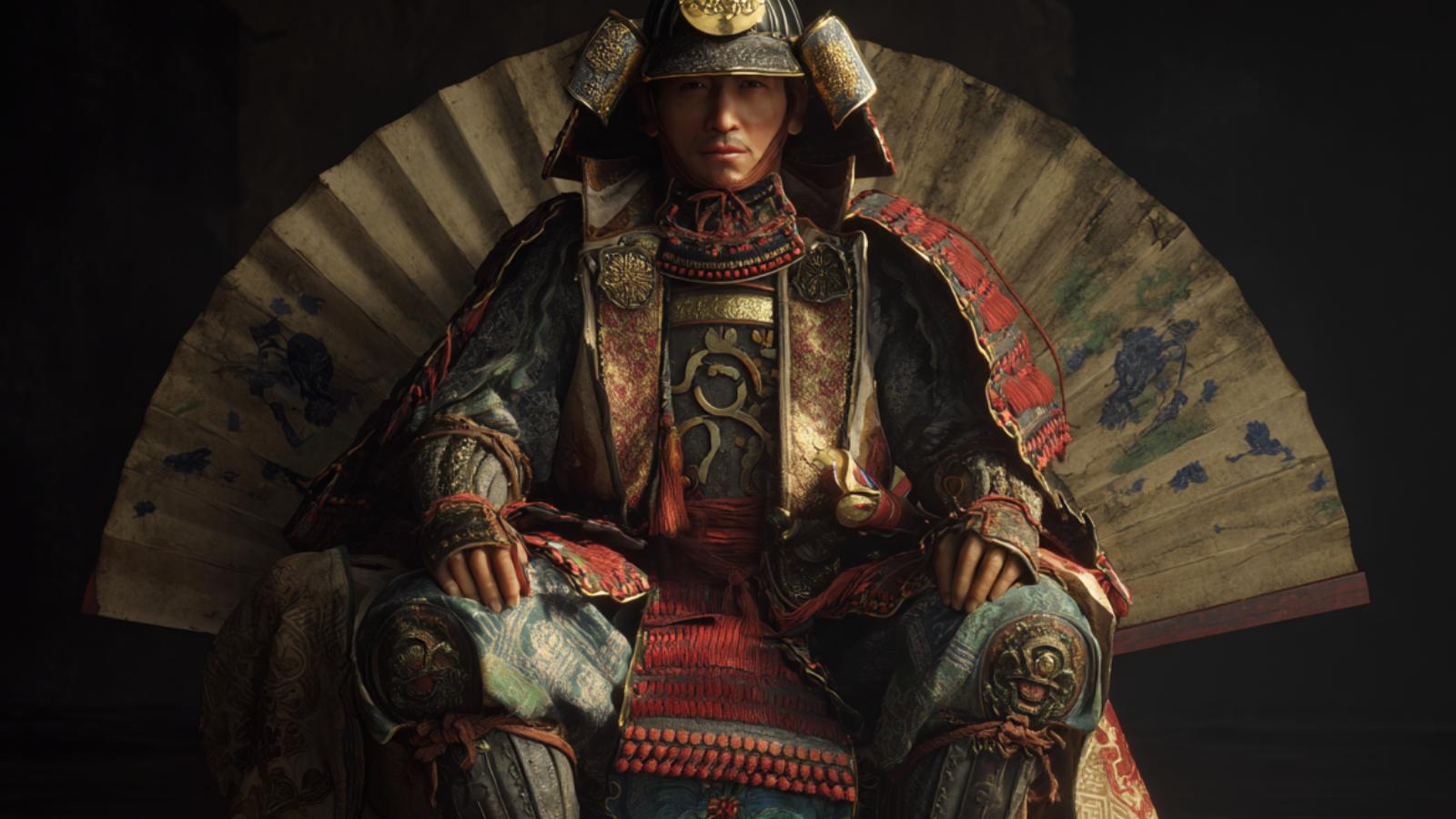
“武士は常に心の準備を整えるべし。”
— A warrior must always be prepared in heart and mind.

| Lead 統率 |
Valor 武勇 |
Intel 知略 |
Pol 政治 |
|---|---|---|---|
| 70 | 65 | 75 | 60 |
| Name (JP) | 伊東 長実 |
|---|---|
| Title | Daimyo |
| Clan / Force | Satsuma Domain |
| Era | 1524 – 1582 |
| Origin | Izumo |
| Key Battles | |
| Arts | Noh Theatre |
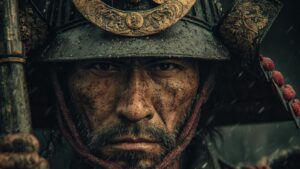
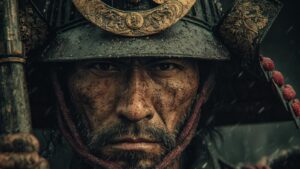
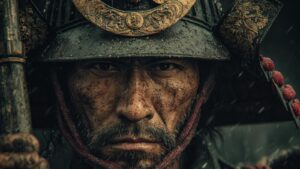
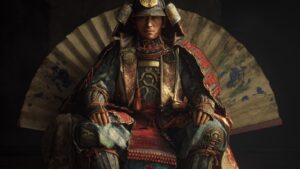
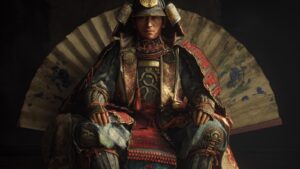
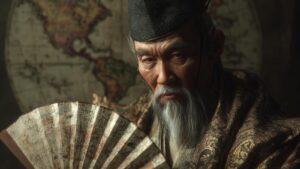
About Ito Nagazane
From a young age, he was immersed in the culture and traditions of the samurai, which deeply influenced his character and leadership style.
Nagazane was known for his commitment to martial arts and strategy, often studying various tactics and philosophies of warfare that would shape his future endeavors.
Nagazanes to power began during the tumultuous Sengoku period, where he first participated in various local skirmishes to defend his territory from encroaching rivals.
His bravery and tactical acumen caught the attention of prominent factions, allowing him to secure alliances that significantly extended his influence.
As a daimyo, he managed to secure his region, implementing fair governance while also promoting local welfare, which earned him the loyalty of his retainers and subjects.
Throughout his military career, Ito Nagazane participated in several major, showcasing both his valor and strategic prowess.
His most notable engagement was during the conflict involving the forces of the mighty Takeda clan, where Nagazanes quick thinking and adaptability on the battlefield led to a critical victory, solidifying his reputation as a capable leader.
However, he also faced setbacks that tested his resolve and commitment to his people, shaping him into a more formidable leader over time.
Nagazane passed away in 1582, leaving behind a that is remembered for its contributions to samurai culture and governance in Izumo.
His commitment to the arts, especially Noh theatre, was significant in promoting cultural development in his province.
Today, Ito Nagazane is recognized as a capable general who, despite not being one of the most legendary figures, made notable contributions to his eras political and cultural landscape.
comment