
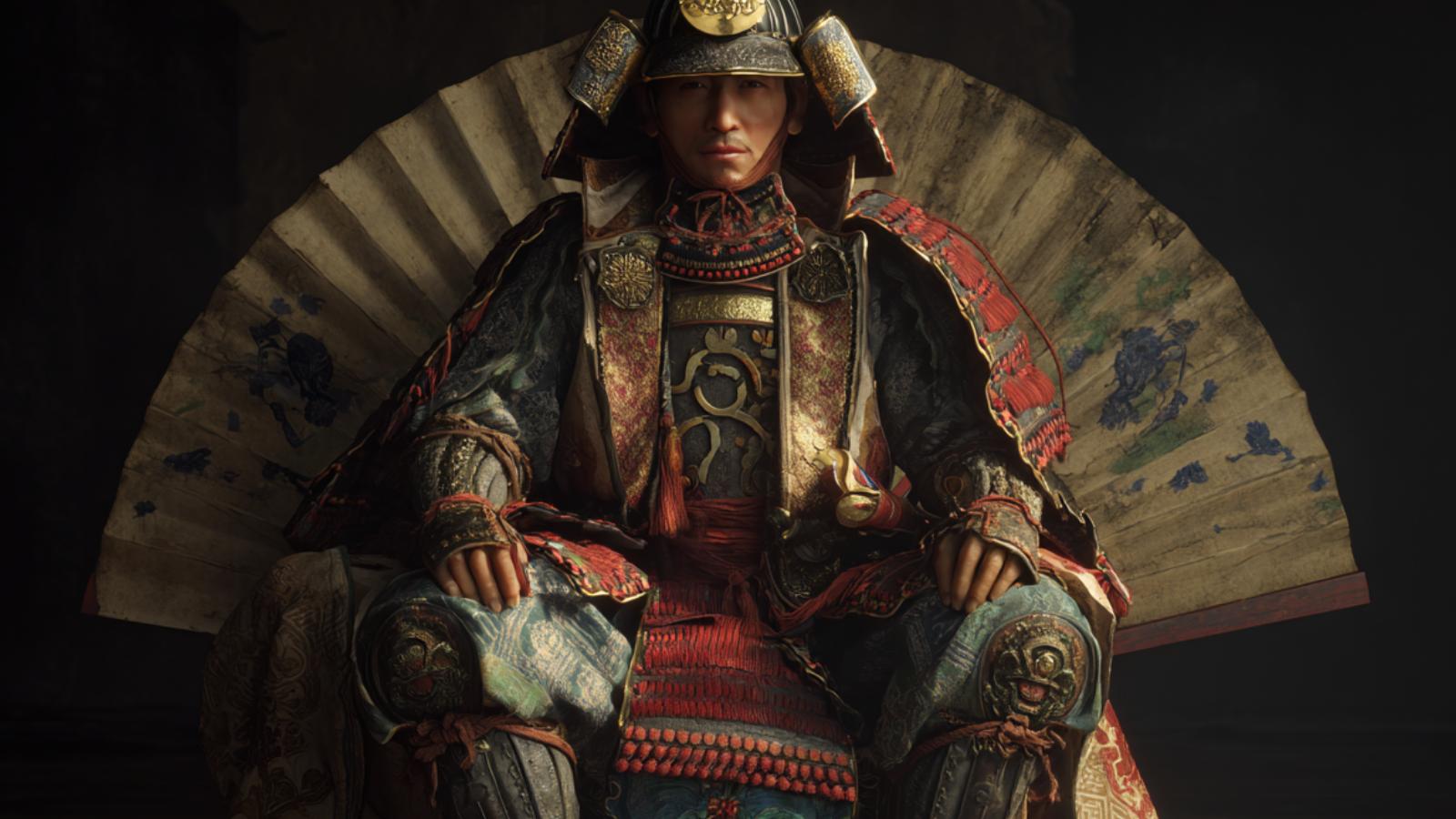
“武士の道は、品格を持つことにある。”
— The way of the warrior lies in possessing dignity.

| Lead 統率 |
Valor 武勇 |
Intel 知略 |
Pol 政治 |
|---|---|---|---|
| 70 | 65 | 75 | 70 |
| Name (JP) | 板倉 重昌 |
|---|---|
| Title | Daimyo |
| Clan / Force | Uesugi Clan |
| Era | 1534 – 1582 |
| Origin | Ise |
| Key Battles | |
| Arts | Calligraphy |
About Itakura Shigemasa
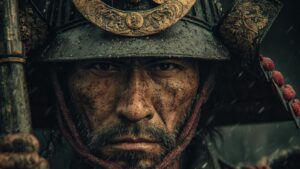
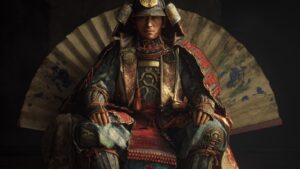
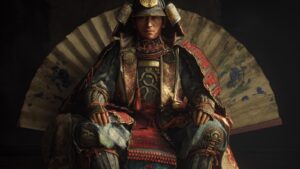
Coming from the Shugo lineage, he was raised in a noble household where he was trained in the arts of war and governance from a young age.
His family was deeply entrenched in the power struggles of the era, which cultivated in him a keen understanding of political and military dynamics that would serve him well throughout his life.
Shigemasa rose through the ranks during the late Sengoku period by aligning himself with powerful daimyo such as Uesugi Kenshin and later Oda Nobunaga.
His abilities as a strategist were recognized early on, leading to significant responsibilities in military campaigns and governance.
He was known for his diplomatic skills, often negotiating peace treaties and alliances that benefited his lords ambitions.
Throughout his career, Itakura Shigemasa participated in numerous that marked the tumultuous Sengoku era.
He was especially known for his role in the of Kawanakajima alongside Uesugi Kenshin.
His valor was commendable, but he was highly esteemed for his intelligence in strategy, often deploying innovative tactics that outsmarted more formidable foes.
Itakura Shigemasa’s is one of honor, loyalty, and strategic brilliance.
Despite being overshadowed by larger figures of the time, his contributions to the military and political landscape were significant.
His commitment to the samurai code and governance left a lasting impression on those who followed, making him a respected figure in the annals of Japanese history.
comment