
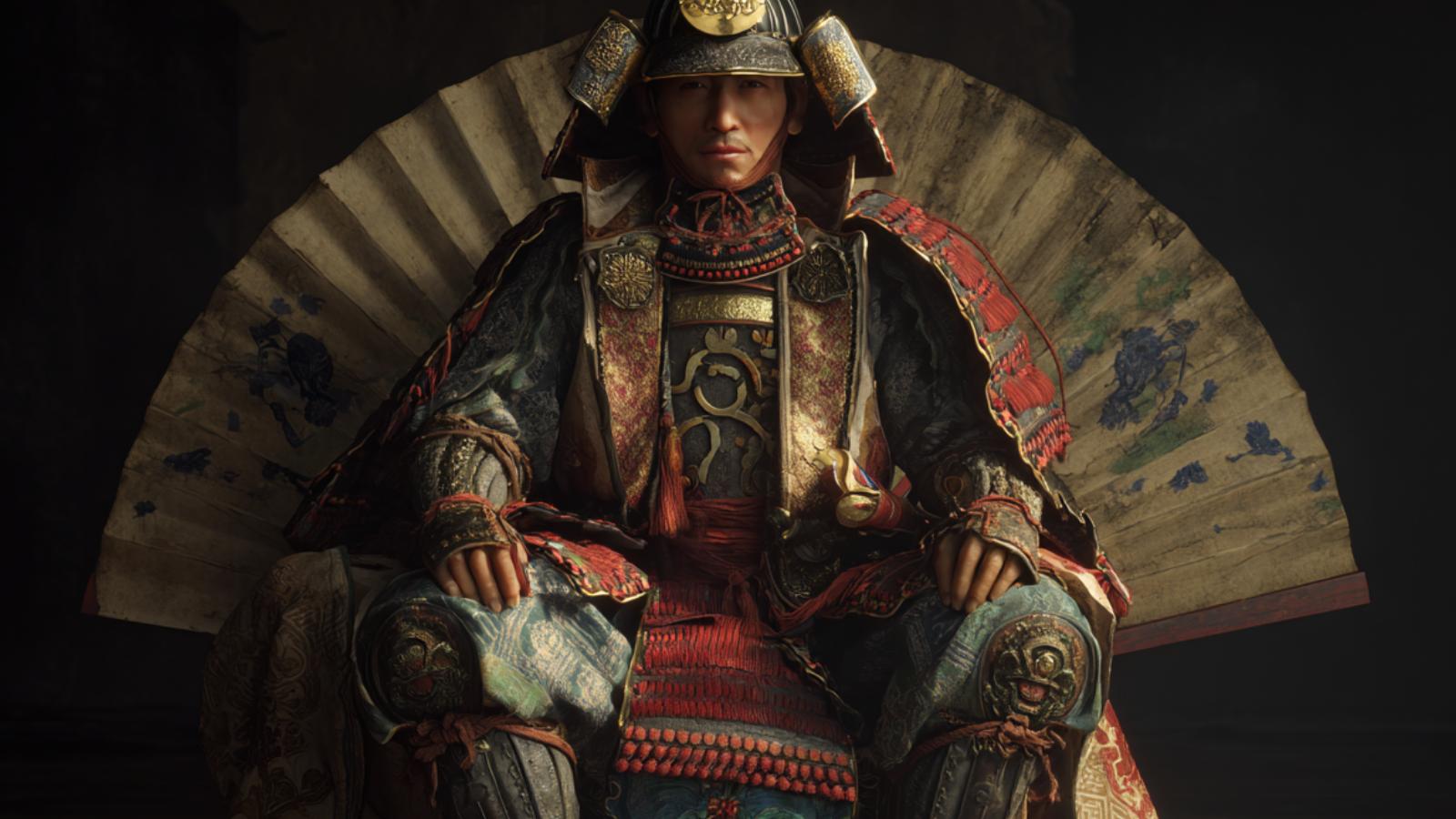
“勝利は、準備された者に微笑む。”
— Victory smiles upon those who are prepared.

| Lead 統率 |
Valor 武勇 |
Intel 知略 |
Pol 政治 |
|---|---|---|---|
| 78 | 70 | 75 | 76 |
| Name (JP) | 板倉 勝重 |
|---|---|
| Title | Daimyo |
| Clan / Force | Tokugawa Shogunate |
| Era | 1562 – 1610 |
| Origin | Kōzuke |
| Key Battles | |
| Arts | Noh Theatre |
About Itakura Katsushige
As a young warrior, he learned the arts of combat and strategy, influenced by the ongoing conflicts of the Sengoku period.
His early training set a strong foundation for his future as a competent military leader.
Katsushiges to prominence began during his service under the powerful warlord Uesugi Kenshin.
He participated in several key and quickly earned a reputation for his bravery and tactical skills.
As the Uesugi clan faced external threats and internal challenges, Katsushige showcased his loyalty and strategic intellect, which led to his promotion among the ranks of samurai.
After Kenshins death in 1578, he navigated the complexities of clan politics while maintaining his dedication to the Uesugi .
Throughout his career, Katsushige wrapped himself in the conflicts that defined the era.
He played a crucial role in such as the Siege of Kasugayama, where he demonstrated his skills as both a commander and a warrior.
His capacity to adapt to the ever-changing battle conditions earned him further respect amongst his peers and within his domain.
Katsushige’s strong governance of his lands also highlighted his abilities beyond the battlefield, forging relationships with vassals and maintaining stability and loyalty amongst his people.
After a distinguished career, Itakura Katsushige passed away in 1610, leaving behind a of loyalty, courage, and strategy.
His contributions during the tumultuous Sengoku period are remembered, not only for his military achievements but also for his adeptness in governance and diplomacy.
Today, he is celebrated as a capable general whose actions helped shape the future of the region.









comment