
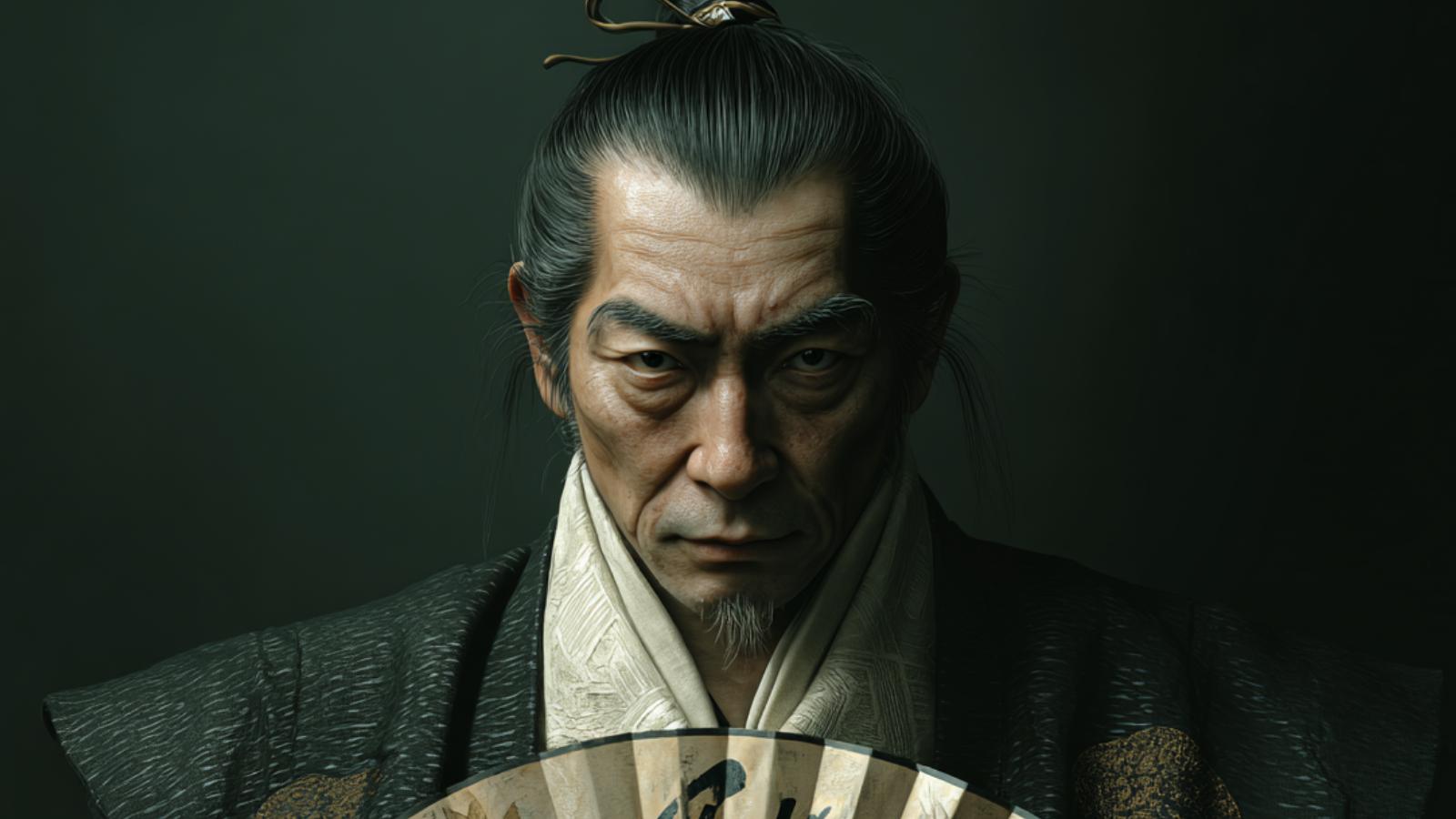
“大義を思うものは、首をはねられる瞬間まで命を大切にするものだ。”
— Those who think of the great cause cherish their lives until the very moment their heads are taken.

| Lead 統率 |
Valor 武勇 |
Intel 知略 |
Pol 政治 |
|---|---|---|---|
| 80 | 60 | 90 | 85 |
| Name (JP) | 石田 三成 |
|---|---|
| Title | Daimyo |
| Clan / Force | Toyotomi Army |
| Era | 1560 – 1600 |
| Origin | Chūgoku |
| Key Battles | |
| Arts | Calligraphy |
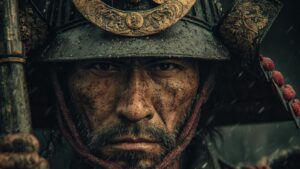
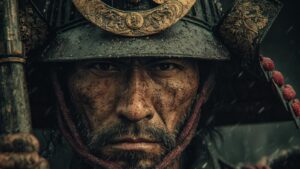
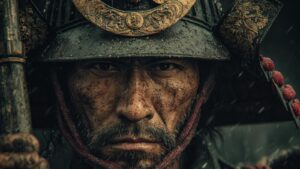
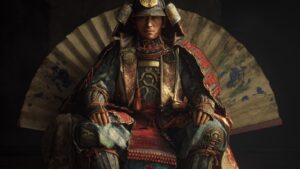
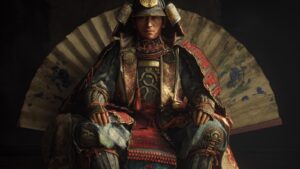
About Ishida Mitsunari
He was the son of a minor samurai family and displayed a keen intellect from a young age.
Even in his youth, Mitsunari was known for his analytical skills and understanding of military strategy.
He eventually became known for his loyalty to Toyotomi Hideyoshi, who would later to power as the unifier of Japan during the late 16th century.
Mitsunaris was marked by his dedication and determination to serve who he considered a just leader., ,content:Mitsunaris to power coincided with Toyotomi Hideyoshis consolidation of authority.
He served as one of Hideyoshis chief retainers and quickly gained influence due to his smart tactics and insightful counsel.
Following Hideyoshis death in 1598, the power struggle among his loyalists, especially between the Western and Eastern factions, put Mitsunari at the forefront of a turbulent political landscape.
His loyalty to the Toyotomi clan came at a high cost, as it set him against Tokugawa Ieyasu, a powerful general and one of Hideyoshis former allies who sought to establish his own rule., ,content:The most significant event in Mitsunaris military career was the Battle of Sekigahara in 1600.
This battle was pivotal in the struggle for control over Japan following Hideyoshis death.
Mitsunari commanded the Western army attempting to preserve the Toyotomi .
Despite his astute strategies and preparation, his forces were ultimately defeated by Tokugawa Ieyasus Eastern army.
The loss resulted not only in the fall of the Toyotomi clan but also marked the beginning of the Tokugawa shogunate, a period of relative peace that would last for over 250 years.
Mitsunari was captured following the battle and executed, solidifying his as a tragic hero who fought for his principles., ,content:Despite his eventual defeat, Ishida Mitsunaris unwavering belief in justice and loyalty has made him a symbol of the samurai spirit.
His life and struggles represent the chaotic nature of the Sengoku period, and he is remembered not only for his military failings but also for his intellect and integrity.
Mitsunari has been the subject of various cultural representations, including literature, theatre, and modern media, illustrating the enduring fascination with his character and the era he lived in.
comment