
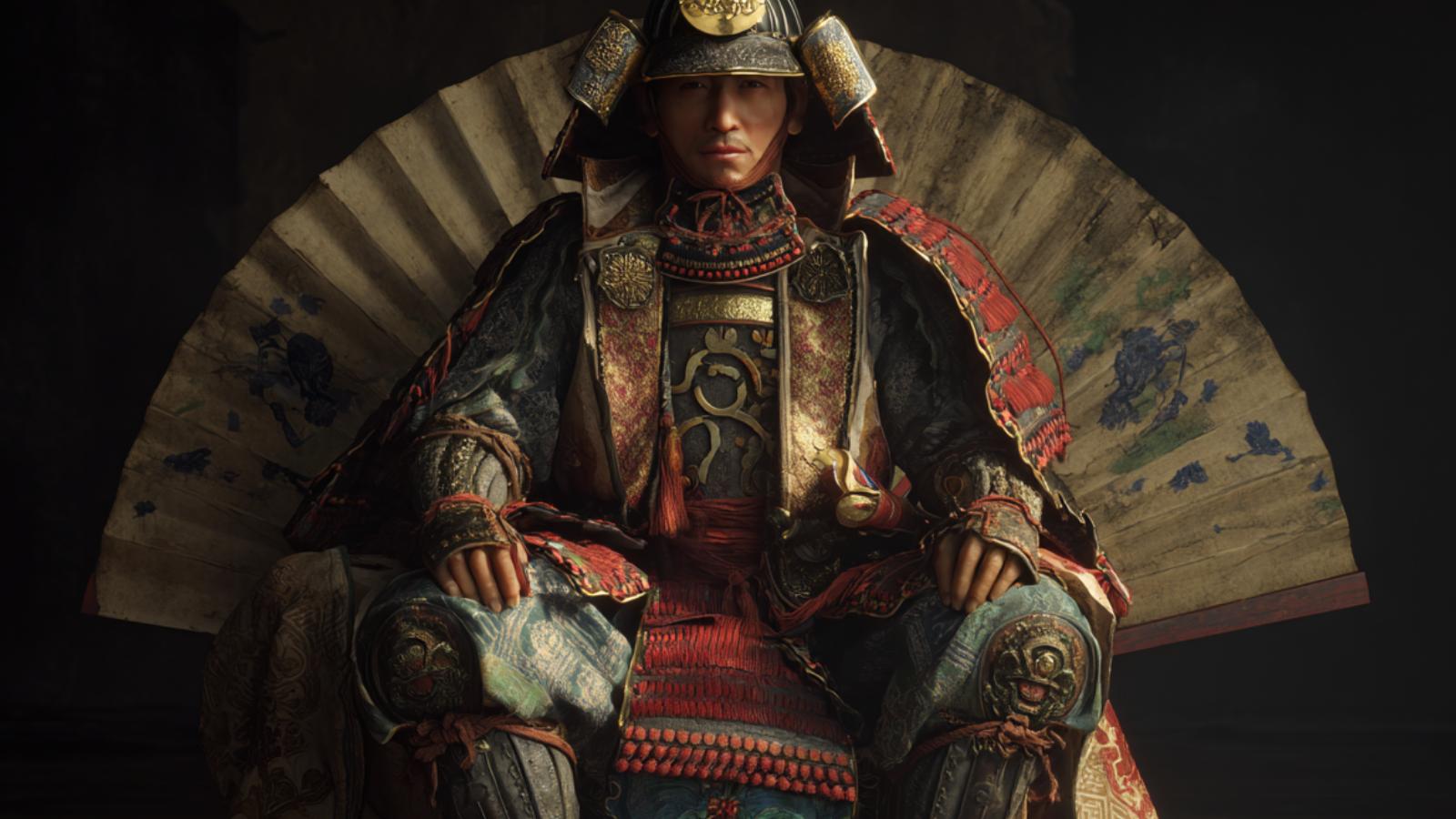
“智恵を持つ者が戦の舵を握る。”
— The one with wisdom steers the ship of war.

| Lead 統率 |
Valor 武勇 |
Intel 知略 |
Pol 政治 |
|---|---|---|---|
| 75 | 70 | 80 | 65 |
| Name (JP) | 諫早 直孝 |
|---|---|
| Title | Daimyo |
| Clan / Force | Unknown |
| Era | 1570 – 1621 |
| Origin | Higo |
| Key Battles | |
| Arts | Calligraphy |
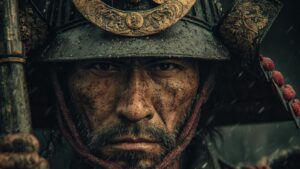
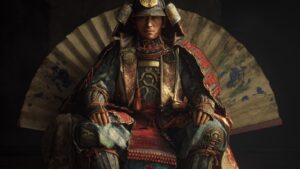
About Isahaya Naonori
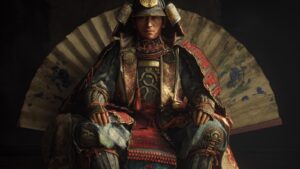
From a young age, he was trained in the arts of warfare, governance, and the cultural practices of the samurai, particularly calligraphy, which were integral to his upbringing.
His familys status as shugo ensured he had the necessary resources and training to navigate the turbulent times of the Sengoku period.
As Naonori reached adulthood, he began to carve out his place among the samurai elite.
He quickly gained recognition for his shrewd strategies in combat and his ability to rally troops under his command.
His leadership during various skirmishes against rival clans solidified his reputation as a capable general.
By the age of 30, he had secured the of daimyō, a nod to his growing influence in Higo and beyond.
Throughout his career, Naonori participated in several key during the late 16th and early 17th centuries.
His most notable engagements included confrontations against the powerful Toyotomi clan and later, the battle against the Tokugawa forces.
Although he faced setbacks, his tenacity and tactical prowess allowed him to achieve commendable victories.
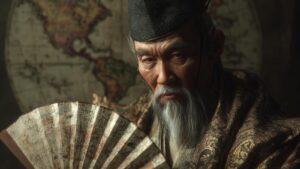
His ability to adapt his strategies to evolving situations highlighted his intelligence as a military leader and a diplomat.
Naonori passed away in 1621, leaving behind a as a respected daimyō who navigated the complexities of feudal Japan with both skill and honor.
His family continued to play a role in the region’s governance, ensuring that his contributions would not be forgotten.
Modern historians recognize Isahaya Naonori as a pivotal figure whose strategies and leadership influenced the eras samurai culture, making him a prominent, though not legendary, figure in Japanese history.
comment