
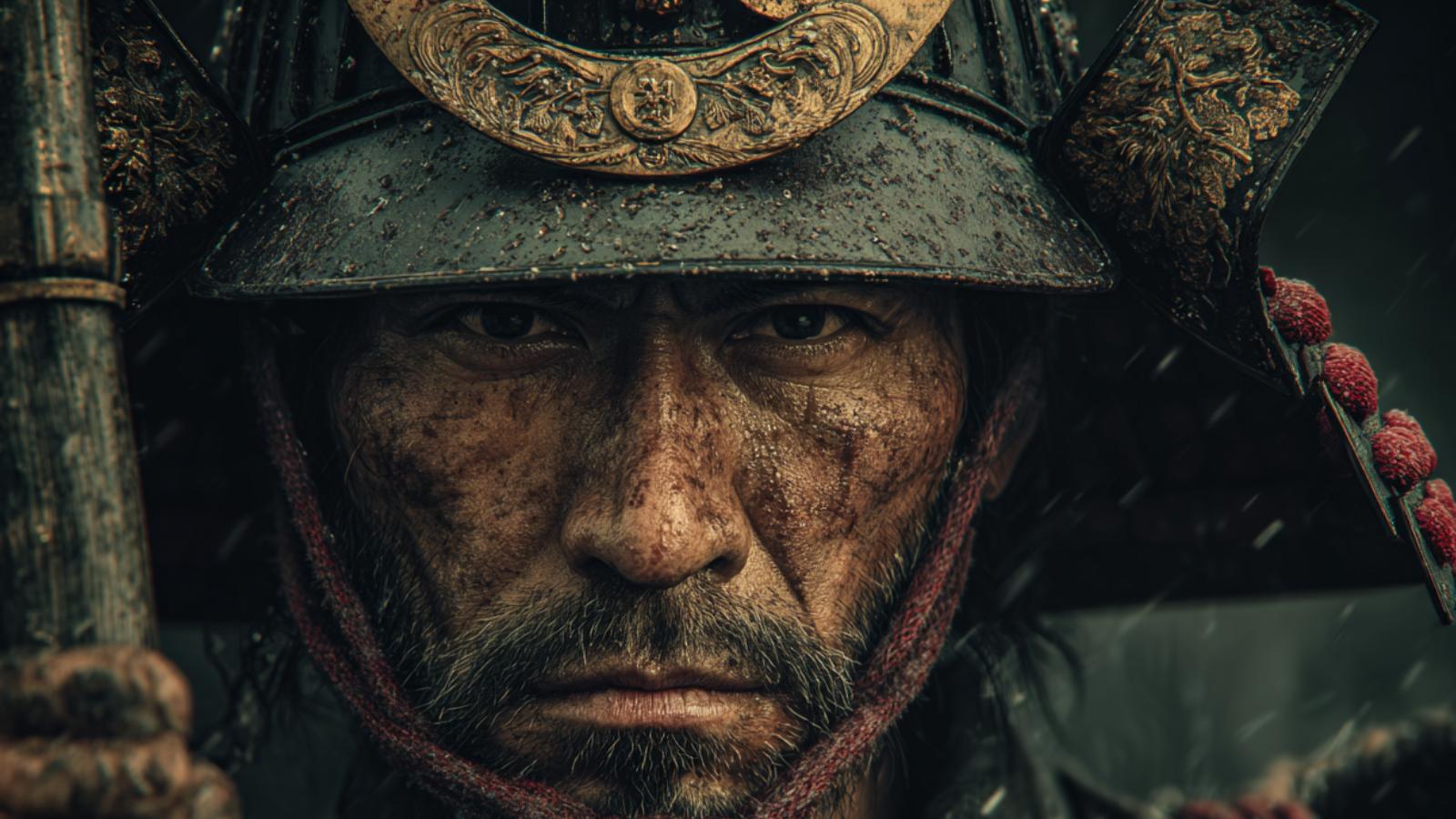
“戦は心で決まる。”
— The battle is decided in the heart.

| Lead 統率 |
Valor 武勇 |
Intel 知略 |
Pol 政治 |
|---|---|---|---|
| 75 | 70 | 72 | 68 |
| Name (JP) | 稲葉 一鉄 |
|---|---|
| Title | Chief Retainer |
| Clan / Force | Miyoshi Clan |
| Era | 1540 – 1603 |
| Origin | Mutsu |
| Key Battles | |
| Arts | Martial Arts |
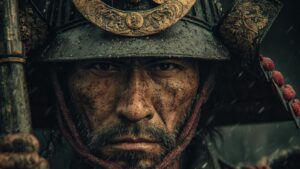
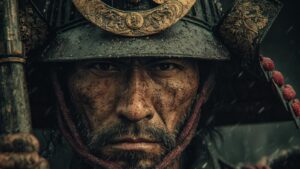
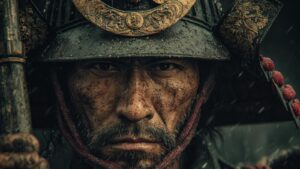
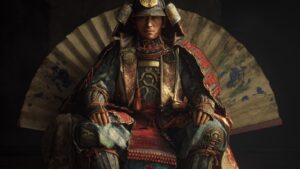
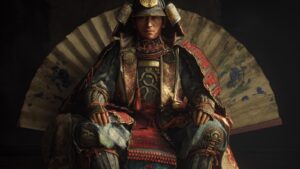
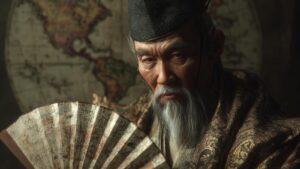
About Inaba Ittetsu
Coming from a samurai lineage, he was trained in the arts of war from a young age.
His early years were marked by a commitment to mastering the skill set required to serve his clan loyally and effectively, setting the foundation for a future in military leadership.
As the Sengoku period intensified, Ittetsu emerged as a reliable warrior.
He was particularly known for his strategic thinking and ability to command respect from his peers.
His dedication to his lord earned him the of Chief Retainer, a position about which he was both proud and diligent.
His loyalty was tested through various conflicts as he fought to protect his province and his lord’s interests against rival clans.
Inabas most noted engagements were during campaigns against the Uesugi and Takeda clans.
He demonstrated his valor and insight by executing military strategies that often turned the tide in favor of his forces.
While he may not be as renowned as some of his contemporaries, his showcased a strong grasp of battlefield dynamics, showcasing his value in the larger conflicts of the era.
After his death in 1603, Inaba Ittetsu was remembered as a capable leader who made significant contributions to his clan during a tumultuous time in Japanese history.
His continues to inspire discussions about the samurais role not just as warriors but as tacticians and loyal retainers in the feudal system.
comment