
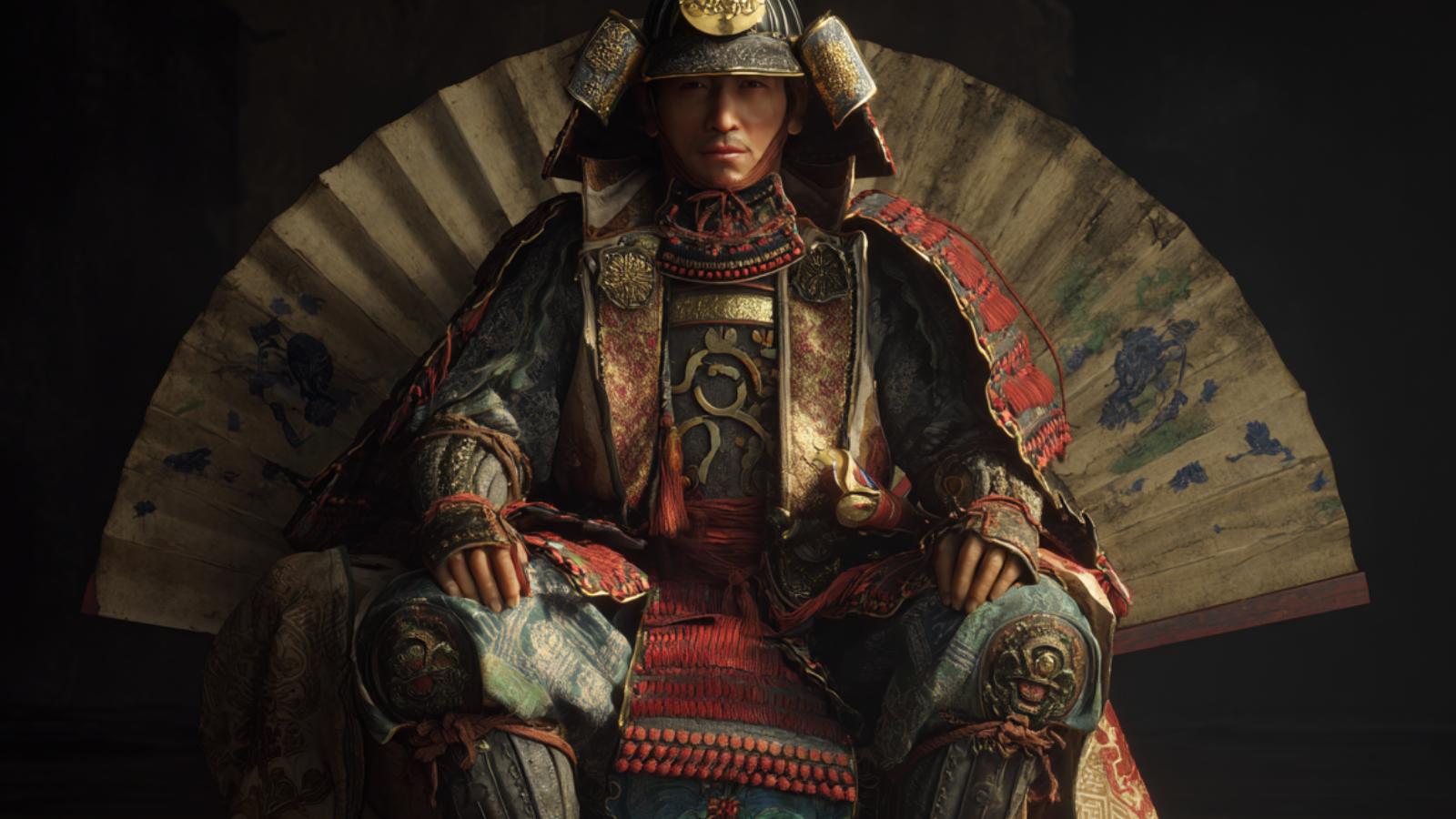
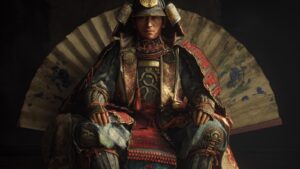
“勝利には準備と決意が必要だ。”
— Victory requires preparation and determination.

| Lead 統率 |
Valor 武勇 |
Intel 知略 |
Pol 政治 |
|---|---|---|---|
| 68 | 75 | 72 | 65 |
| Name (JP) | 伊集院 忠棟 |
|---|---|
| Title | Daimyo |
| Clan / Force | Tokugawa Clan |
| Era | 1550 – 1611 |
| Origin | Kagoshima |
| Key Battles | |
| Arts | Martial Arts |
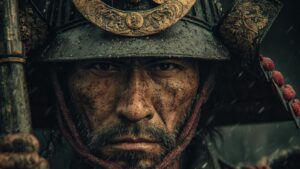
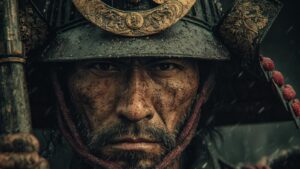
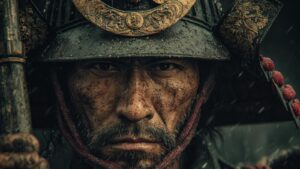
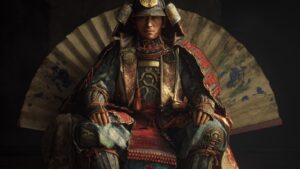
About Ijuin Tadamune
He came from a line of Shugo, provincial governors, which provided a firm foundation for his future in military and politics.
Growing up in an era marked by constant warfare, Tadamune was trained in the ways of bushido and martial arts from a young age, instilling in him the values of honor and loyalty.
His was filled with lessons in strategy, leading to a keen intellect that served him well in leadership roles later in life., As a young samurai, Tadamune eagerly participated in numerous alongside his lord, gradually earning a reputation for his tactical acumen and brave demeanor on the battlefield.
His to prominence was solidified when he effectively led an assault against rival clans, showcasing not only his combat prowess but also his abilities in coordinating troop movements and tactics.
By the late 1570s, Tadamune had attained the rank of Daimyo, commanding respect from both his peers and his followers and becoming a vital player in the shifting landscape of feudal Japan., Throughout his military career, Tadamune participated in several key engagements that defined the Sengoku period.
Notably, he played a critical role in the against the Shimazu clan, where his strategic intelligence and valor were crucial for his forces.
His understanding of terrain and fortifications allowed him to capitalize on enemy weaknesses, securing important victories that expanded his territory and influence.
After the of the Tokugawa shogunate, he adapted to the political changes, ensuring his clan remained relevant in a time of unification and stability within Japan., Ijuin Tadamune’s is characterized by his contributions to the unification of Japan and his familys continued prominence in the Satsuma region.
His leadership style inspired those who served under him, and he became a symbol of loyalty and courage.
Although not as legendary as Oda Nobunaga or Tokugawa Ieyasu, Tadamune’s actions during the Sengoku period left an indelible mark on the history of the region, and he is remembered as a capable and resolute daimyo.
His descendants continued to hold power long after his death in 1611, further solidifying his place in history.

comment