

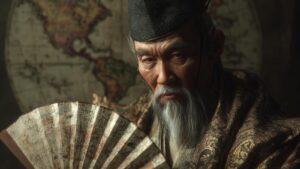
“武士道とは、単なる生き方ではない。名誉をもって生きることである。”
— The way of the warrior is not just a way of life; it is to live with honor.

| Lead 統率 |
Valor 武勇 |
Intel 知略 |
Pol 政治 |
|---|---|---|---|
| 82 | 75 | 78 | 70 |
| Name (JP) | 井伊 直孝 |
|---|---|
| Title | Daimyo |
| Clan / Force | Tokugawa Clan |
| Era | 1564 – 1602 |
| Origin | Mikawa |
| Key Battles | |
| Arts | No Drama |
About Ii Naotaka
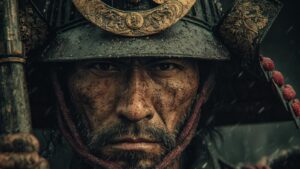
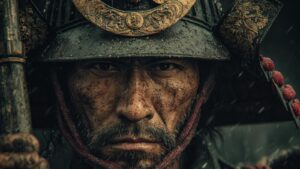
Growing up in a martial environment, he was groomed for leadership from an early age.
His upbringing emphasized not only military training but also the cultural arts, preparing him for both battle and governance.
As a young man, Naotaka quickly distinguished himself through his actions in various skirmishes and, showcasing his strategic mind and combat skills.
Following in the footsteps of his father, he supported Tokugawa Ieyasu during crucial such as the Battle of Sekigahara in 1600, where his contributions solidified the power of the Tokugawa clan.
Naotakas loyalty and skill earned him the of daimyo, entrusting him with the governance of Suruga Province.
Throughout his military career, Naotaka took part in several significant campaigns.
His talent for battlefield tactics allowed him to emerge victorious in many encounters against rival clans.
Notably, his participation in the Siege of Takamatsu demonstrated not only his valor but also his ability to inspire and lead his troops effectively.
Naotakas reputation as a capable general grew, and he became one of Ieyasus most trusted commanders.
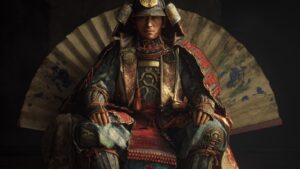
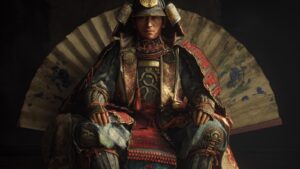
Ii Naotaka’s is that of a steadfast supporter of the Tokugawa regime, exemplifying the qualities of loyalty, honor, and military acumen.
His contributions to the establishment of the Tokugawa shogunate have been remembered in Japanese history, ensuring that his name is revered among the great samurai of his time.
Today, Naotaka is celebrated not just for his martial prowess, but also for his commitment to the arts and culture, reflecting the multi-faceted nature of a true samurai.
comment