
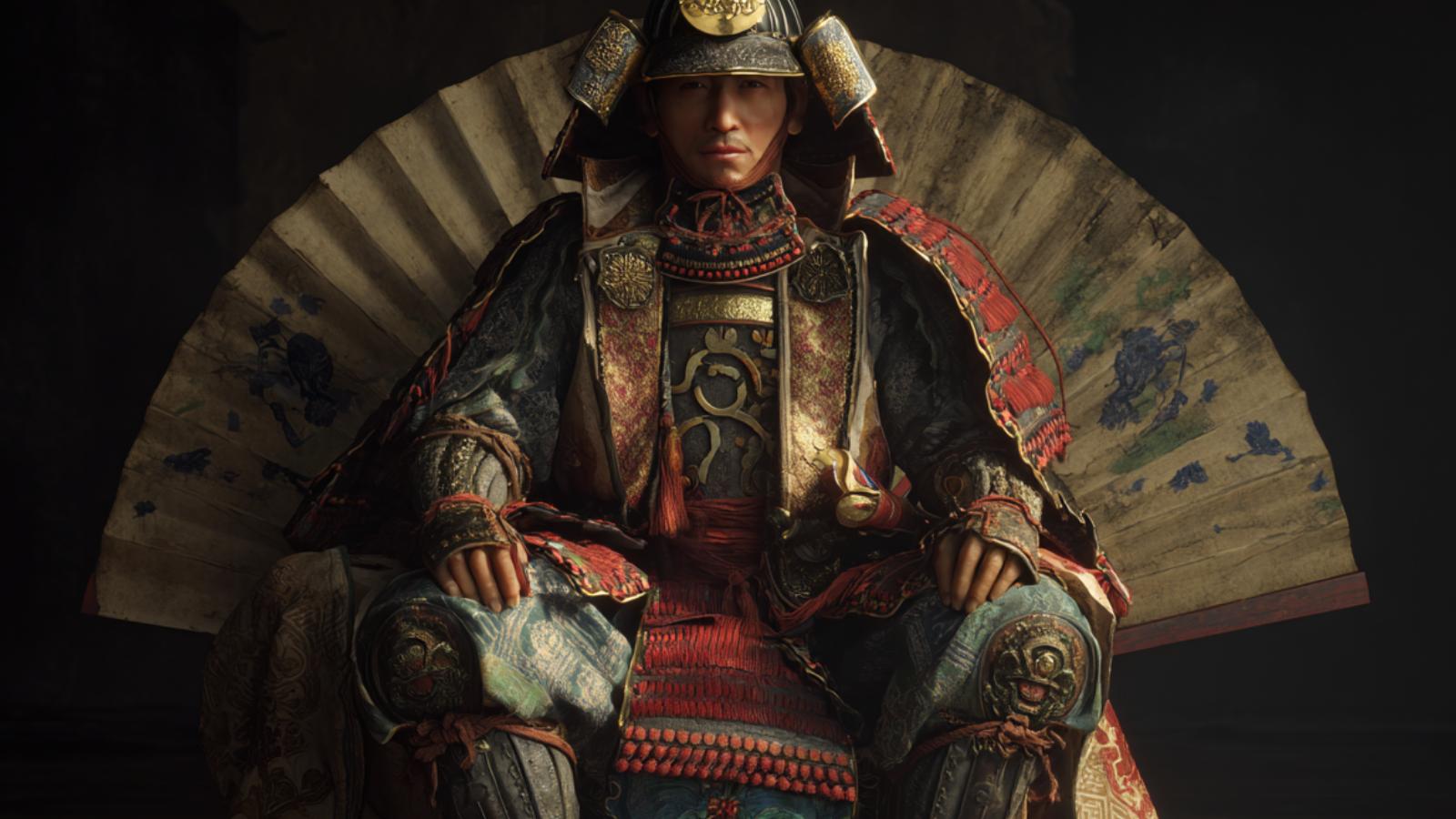
“夢を追い続ける者は、常に明日を見ている。”
— Those who continue to pursue their dreams are always looking towards tomorrow.

| Lead 統率 |
Valor 武勇 |
Intel 知略 |
Pol 政治 |
|---|---|---|---|
| 75 | 70 | 68 | 65 |
| Name (JP) | 市川 経好 |
|---|---|
| Title | Daimyo |
| Clan / Force | Unknown |
| Era | 1550 – 1619 |
| Origin | Kōzuke |
| Key Battles | |
| Arts | Flower Arrangement |
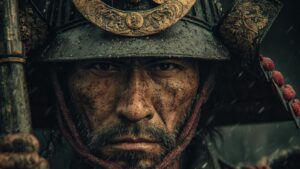
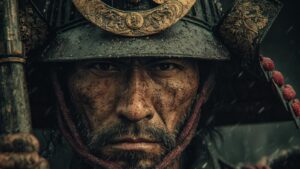
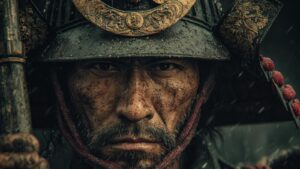
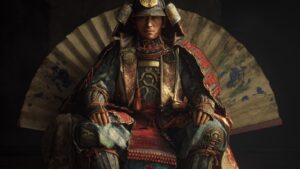
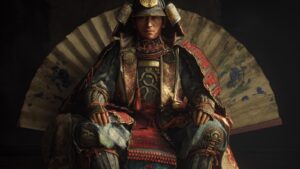
About Ichikawa Tsuneyoshi
Coming from a family with a shugo lineage, Tsuneyoshi was instilled with the values of loyalty and honor from a young age.
He was trained in the arts of warfare and strategy, shaping his path in the world of samurai.
His was spent under the tutelage of experienced warriors, where he would develop his skills in combat and governance.
As he reached adulthood, Tsuneyoshi quickly rose through the ranks due to his outstanding ability to lead troops and handle the complexities of medieval Japanese politics.
He served several powerful daimyos, proving his worth in various conflicts that defined the Sengoku period.
His talents did not go unnoticed, and by the late 1580s, he attained the of daimyo, overseeing a significant domain that required both military and diplomatic finesse.
Tsuneyoshi was not just a warrior; he was a capable administrator who focused on the advancement of his province, promoting trade and cultural initiatives alongside martial endeavors.
Throughout his life, Tsuneyoshi participated in numerous that solidified his reputation as a capable leader.
He was heavily involved in the campaigns against rival clans, where his strategies often turned the tide in favor of his forces.
His bravery in battle was well-regarded, earning him the respect of both his troops and his enemies.
Tsuneyoshi’s leadership during these conflicts showcased his abilities not only as a soldier but as a tactician, shifting strategies according to the evolving conditions of battle.
His battle stories became legends, illustrating his resilience and dedication to his warrior code.
Ichikawa Tsuneyoshis extends beyond the battlefield.
He is remembered as a devoted leader who played a key role in the political landscape of his time.
His contributions to governance, culture, and the arts, particularly in flower arrangement, influenced his province long after his passing.
Despite not reaching the legendary status of figures like Oda Nobunaga or Tokugawa Ieyasu, Tsuneyoshi remains a respected figure in samurai history, eming the spirit of a capable general who balanced the ideals of honor with the needs of governance.
comment