
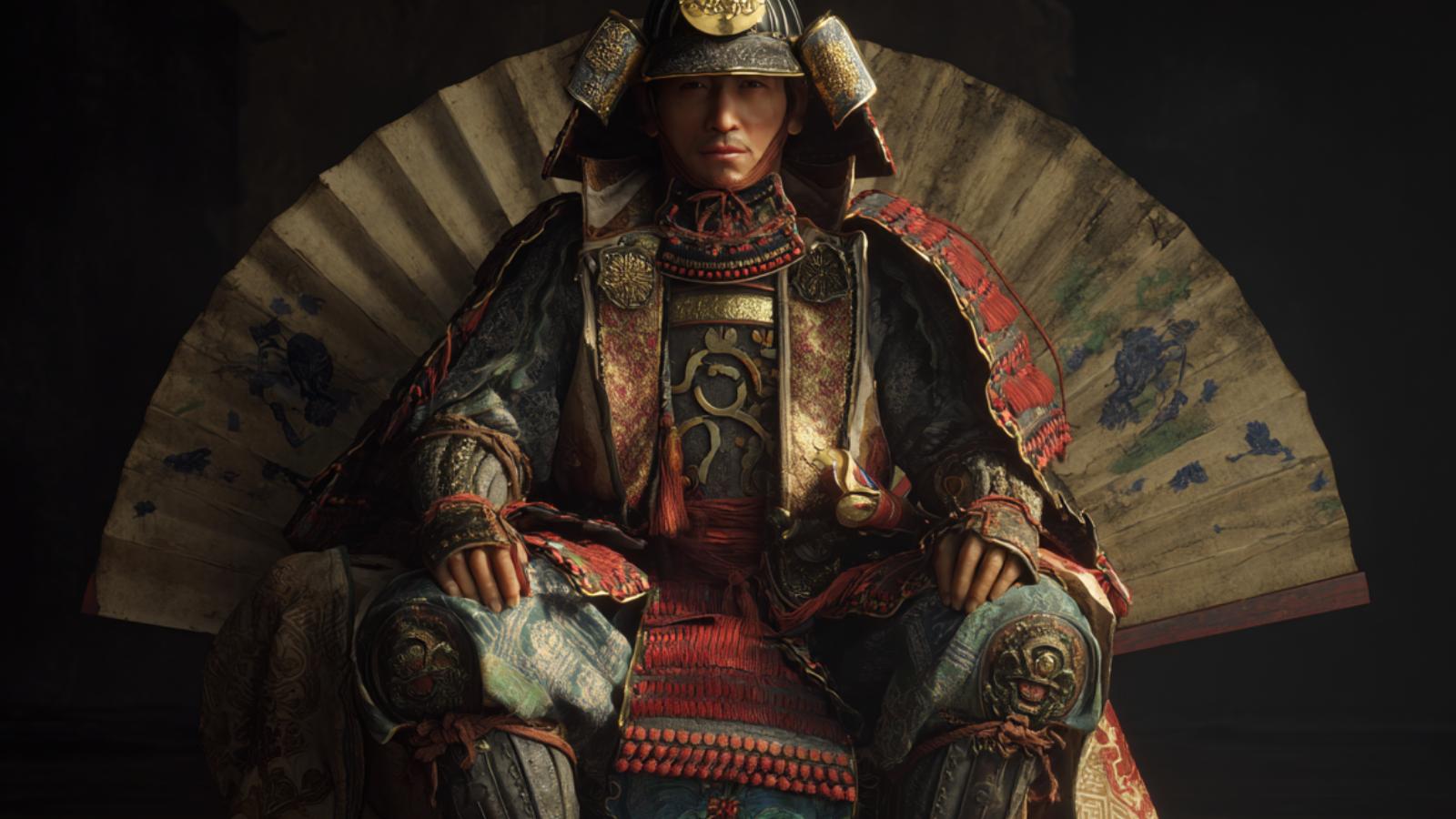
“忠義を尽くすは武士の務めである。”
— Fulfilling one’s loyalty and duty is the essence of a samurai.

| Lead 統率 |
Valor 武勇 |
Intel 知略 |
Pol 政治 |
|---|---|---|---|
| 72 | 68 | 75 | 80 |
| Name (JP) | 一条 信龍 |
|---|---|
| Title | Daimyo |
| Clan / Force | Unknown |
| Era | 1537 – 1600 |
| Origin | Kyoto |
| Key Battles | |
| Arts | Noh Theatre |
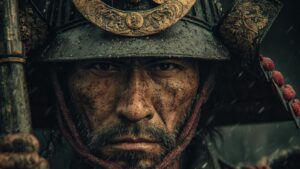
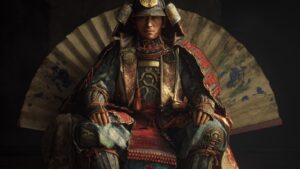
About Ichijo Nobutatsu
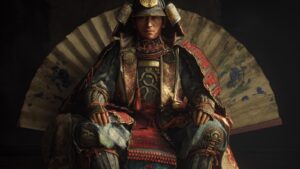
His upbringing was steeped in the culture and traditions of the samurai class.
With access to education and the teachings of renowned martial instructors, he developed a keen sense of tactics and governance from an early age.
His familys reputation also provided him with connections that would prove beneficial in his future ventures.
Emerging in the chaotic environment of the Sengoku period, Nobutatsu quickly made a name for himself as a capable leader.
He served under various daimyos, showcasing his abilities not only in warfare but also in diplomacy.
His competence caught the attention of significant figures, leading to his eventual as a daimyo.
Nobutatsus leadership style was characterized by his ability to maintain loyalty among his retainers and cultivate diplomatic relationships that would strengthen his position in the region.
Throughout his career, Nobutatsu participated in several key that defined the era.
He demonstrated both valor and strategy on the battlefield, effectively leading his troops against rival clans.
His notable engagements included campaigns against the Takeda and Uesugi clans, where he utilized unconventional tactics and the terrain to gain advantages in various conflicts.
Though not as famous as some of his contemporaries, his contributions to the warfare of the time were significant enough to be remembered.
Ichijo Nobutatsu passed away in 1600, leaving behind a of loyalty and strategic acumen.
His approach to governance and warfare influenced many samurai who followed.
While he may not be considered a legend like Oda Nobunaga or Tokugawa Ieyasu, his impact on the political landscape of the Sengoku period was noteworthy.
Nobutatsus commitment to the values of bushido, particularly loyalty and duty, continues to resonate within the samurai tradition, earning him a respected place in Japanese history.
comment