
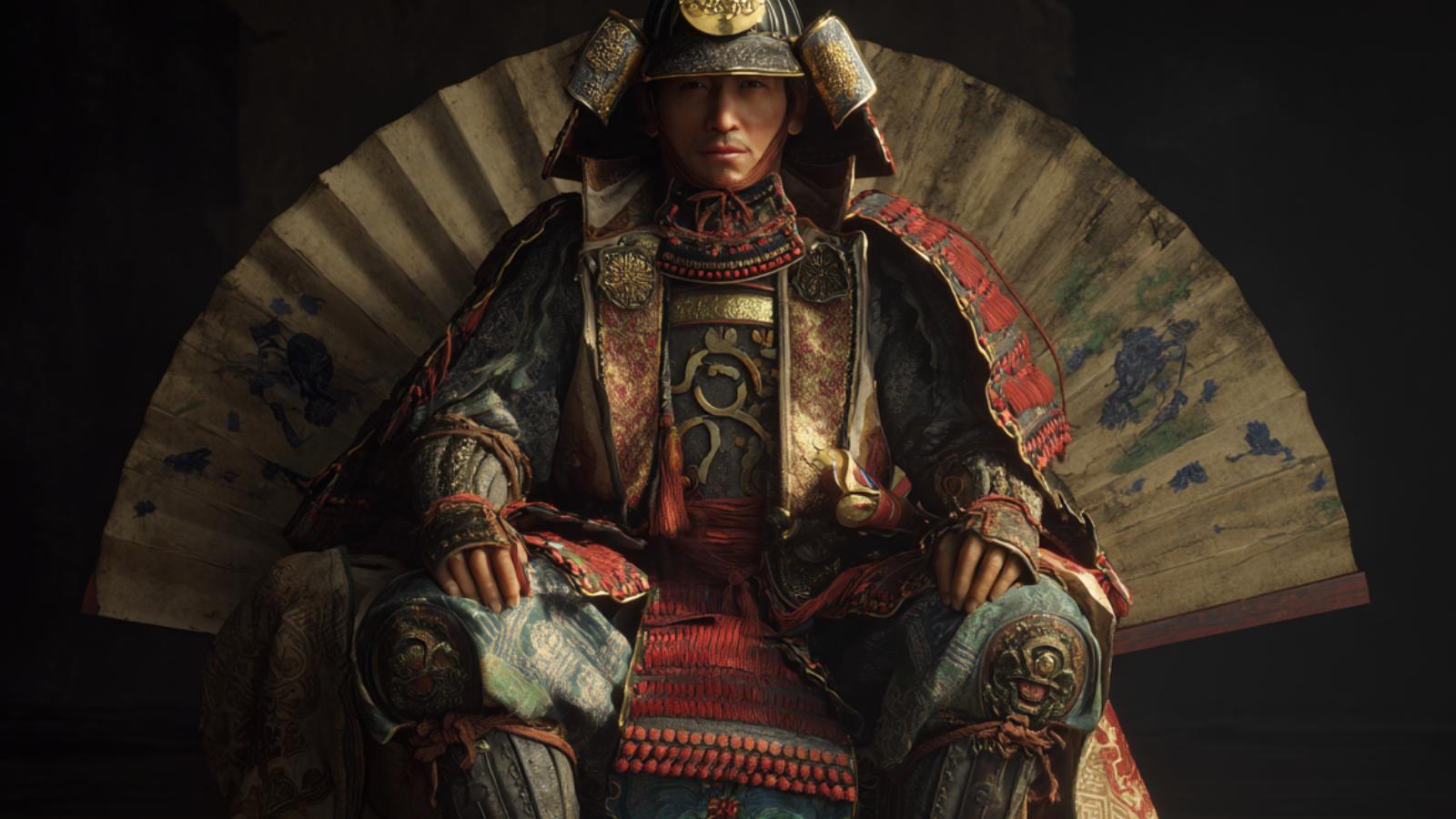
“武士の道は、名を残すことにある。”
— The way of the warrior is to leave a name behind.

| Lead 統率 |
Valor 武勇 |
Intel 知略 |
Pol 政治 |
|---|---|---|---|
| 75 | 66 | 82 | 72 |
| Name (JP) | 宝蔵院 胤栄 |
|---|---|
| Title | Shugo |
| Clan / Force | Unknown |
| Era | 1580 – 1648 |
| Origin | Mutsu |
| Key Battles | |
| Arts | Martial Arts |
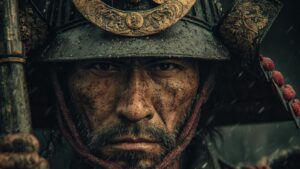
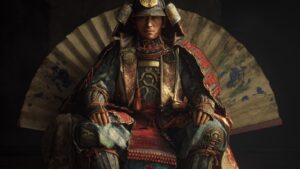
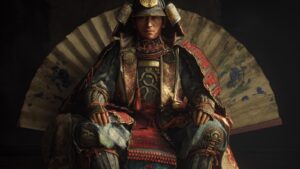
About Hozoin Iniei
Coming from a lineage of samurai, he was immersed in the ways of the bushido from a young age.
His father, a respected warrior, instilled in him the values of honor, discipline, and skill in arms.
Iniei showed exceptional promise as a young boy, exhibiting a natural talent for martial arts and strategy, which would later define his .
As he matured, Hozoin Iniei became known for his participation in numerous skirmishes and conflicts, establishing himself as a capable leader.
His ability to command troops and innovate battlefield tactics caught the attention of local daimyo, leading him to through the ranks.
His skills in both leadership and valor earned him respect among his peers, and he was eventually awarded the of Shugo.
This recognition positioned him as a formidable player in the shifting political landscape of Japan during this era.
Throughout his career, Iniei participated in several notable, where his strategic insights often turned the tide in favor of his lord.
His expertise in martial arts complemented his strategic thinking, making him not only a commander but also a warrior who led from the front.
His commendable bravery and tenacity in the face of peril marked him as a talented general, earning him a reputation that would be remembered long after his death.
Hozoin Inieis impact extended beyond the battlefield.
His teachings in martial arts and leadership were passed down through generations, shaping the training of future warriors.
In his later years, he focused on governance and diplomacy, showcasing his intelligence and ability to navigate complex political arenas.
His quote, The way of the warrior is to leave a name behind, encapsulates his life, one committed to valor, honor, and the pursuit of excellence.
He died in 1648, having left an indelible mark on the history of samurai culture.
comment