
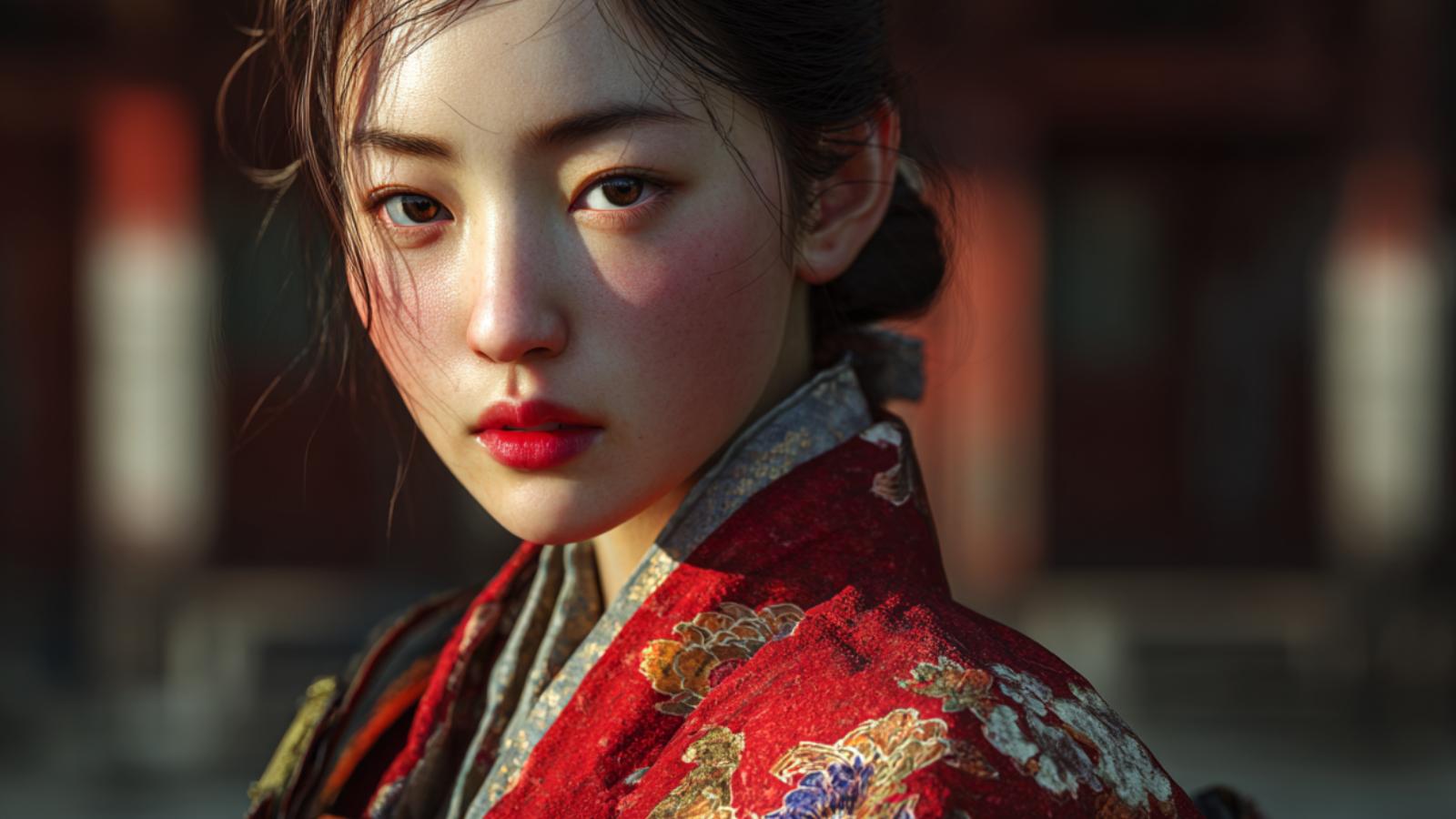
“心に真を持てば、道は開ける。”
— If you hold truth in your heart, the path will open.

| Lead 統率 |
Valor 武勇 |
Intel 知略 |
Pol 政治 |
|---|---|---|---|
| 75 | 60 | 85 | 90 |
| Name (JP) | 細川 ガラシャ |
|---|---|
| Title | Lady of the Hosokawa Clan |
| Clan / Force | Hosokawa Clan |
| Era | 1563 – 1600 |
| Origin | Kyoto |
| Key Battles | |
| Arts | Noh Theatre |
About Hosokawa Gracia
She was raised in the turbulent environment of the Sengoku period, where she was educated in both the ways of war and the arts.
Her family played a vital role as shugo (military governors) in various regions of Japan, giving her a robust foundation in governance and strategy.
Gracias fortunes changed when she became the wife of the esteemed samurai and Christian convert, Yusai Hosokawa.
After her husbands involvement in the Christian faith, she too embraced Christianity and became an important figure in spreading the faith among the samurai class.
Despite the challenges posed by feudal conflicts and shifting alliances, Gracias insight and intelligence allowed her to navigate the complexities of court politics effectively.
Many contemporaries regarded her as one of the most intelligent ladies of her time, often advising her husband and playing a key role in decisions impacting their clan.
While she did not participate directly in many, Gracias influence was felt during significant conflicts, particularly during the Siege of Fukuyama and the subsequent wars leading to the unification of Japan.
Her ability to communicate and negotiate on behalf of her clan solidified their position amidst the rising tensions.
In addition, her alliances and political maneuvering helped protect her family and their interests in a rapidly changing political landscape.
Gracias extends beyond her lifetime, as she is remembered for her contributions to Noh theatre and the arts, as well as for her role in early Christian history in Japan.
Her ability to bridge cultural divides through her artistry and intellect made her a figure of inspiration for future generations.
She passed away in 1600, leaving a mark as one of Japans notable female historical figures, demonstrating that women could possess great influence and wisdom in a male-dominated society.




comment