
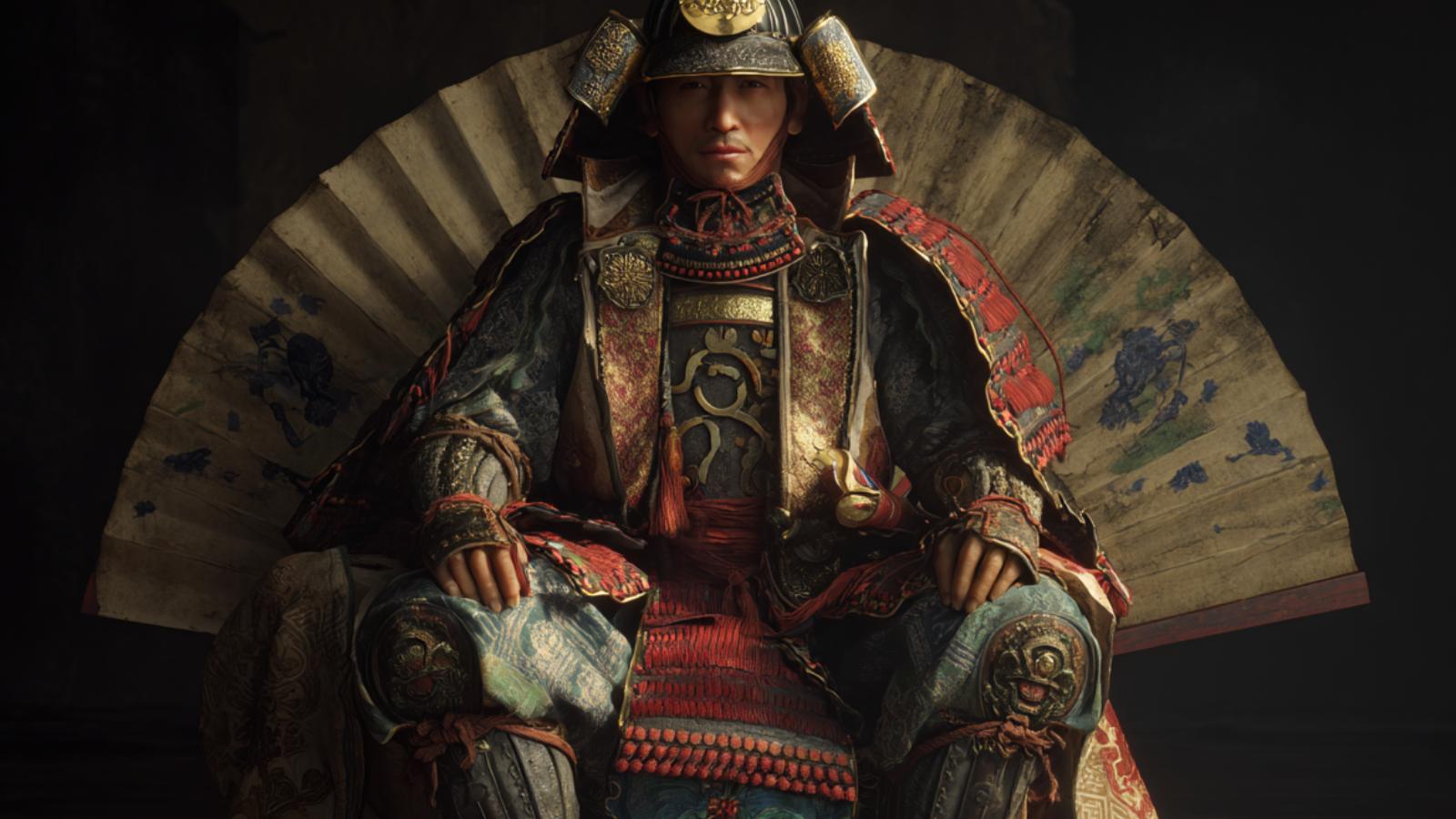
“戦においては、迅速さと知恵が勝負を決める。”
— In battle, speed and wisdom determine victory.

| Lead 統率 |
Valor 武勇 |
Intel 知略 |
Pol 政治 |
|---|---|---|---|
| 78 | 80 | 75 | 70 |
| Name (JP) | 堀 直政 |
|---|---|
| Title | Daimyo |
| Clan / Force | Tokugawa Shogunate |
| Era | 1562 – 1632 |
| Origin | Tōhoku |
| Key Battles | |
| Arts | Calligraphy |
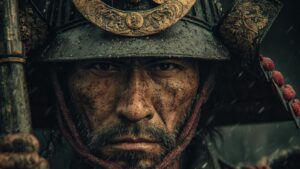
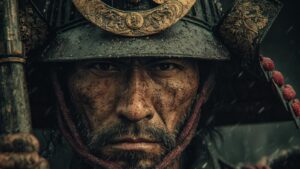
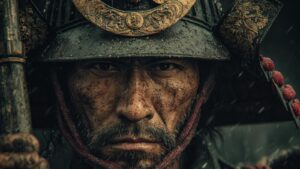
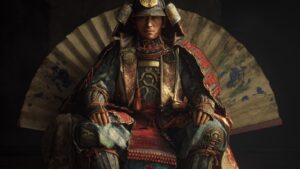
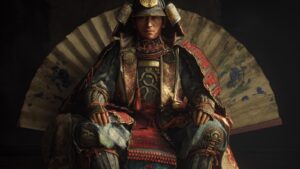
About Hori Naomasa
Coming from a samurai lineage, he was educated in the traditional martial arts and strategy from a young age.
His family had served under various lords, instilling in him the values of loyalty and service.
Throughout his youth, he displayed a natural aptitude for leadership and a keen intellect that would later define his career.
By his early twenties, Naomasa had established himself as a notable commander in the service of his lord.
His tactical skills were recognized during several skirmishes in the region.
He gained a reputation for his bravery in and was ultimately rewarded with the of daimyo, commanding significant respect from his peers.
Naomasas ability to foster loyalty among his troops became a hallmark of his leadership style.
Naomasa fought in numerous during the tumultuous years of the Sengoku period, contributing to various campaigns aimed at unifying Japan.
His clever strategies in warfare often led to his forces achieving unexpected victories against larger armies.
He was esteemed not only for his military prowess but also for his willingness to engage personally with his men, a rare quality among the daimyo of his time.
His includes several successful sieges, showcasing his specialties in offense and defense.
Hori Naomasas contributions to his clan and Japans military history did not go unnoticed.
While he may not be as widely recognized as some of his contemporaries, he left an enduring mark that inspired future generations.
His principles of loyalty, bravery, and honor continue to influence the samurai ethos.
Upon his death in 1632, Naomasa was remembered as a capable leader, setting a precedent for his descendants in samurai tradition.
comment