
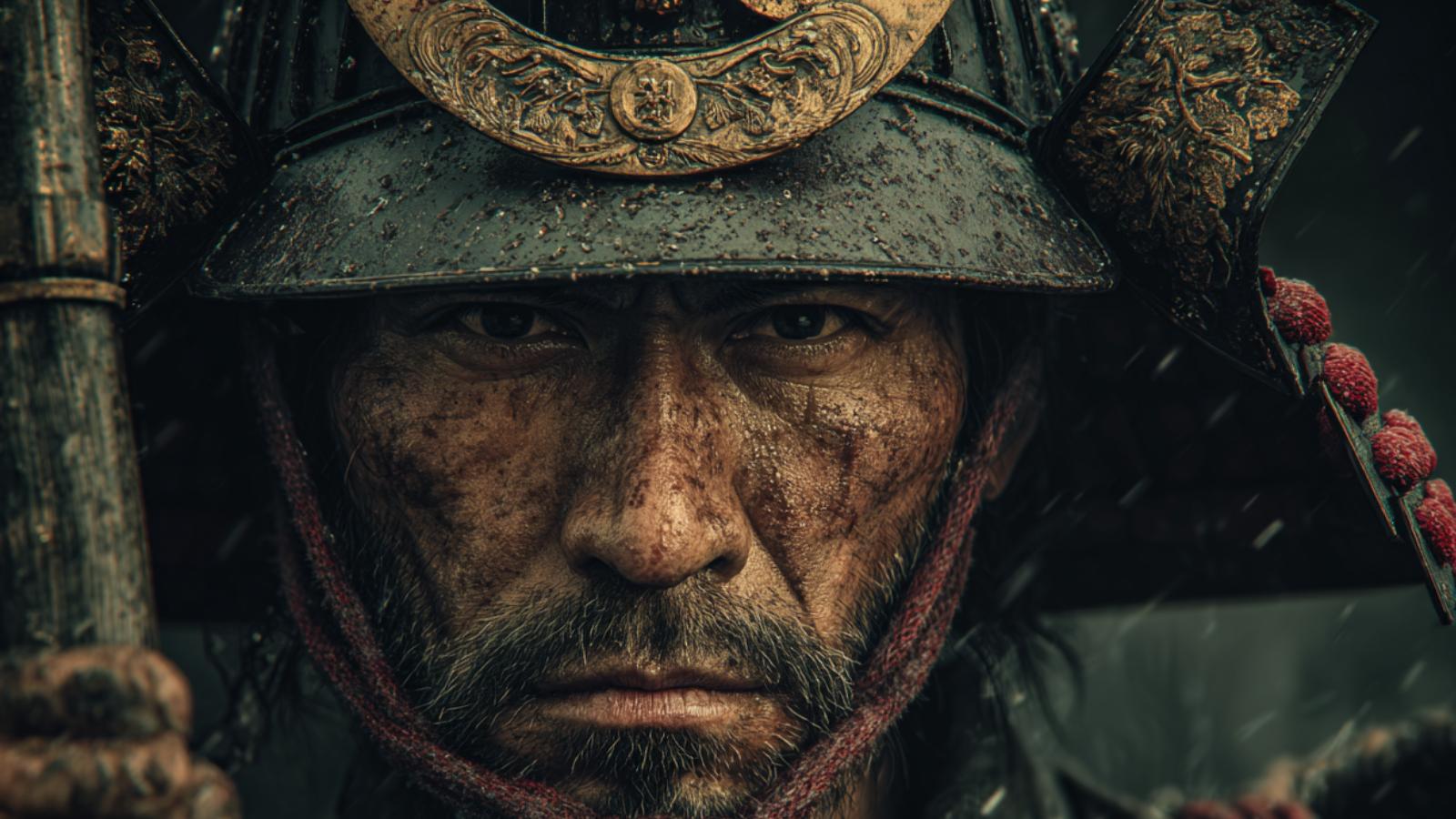
“刀に宿るは忠義の心。”
— The heart of loyalty resides within the blade.

| Lead 統率 |
Valor 武勇 |
Intel 知略 |
Pol 政治 |
|---|---|---|---|
| 72 | 68 | 75 | 60 |
| Name (JP) | 本田 藤馬 |
|---|---|
| Title | Samurai |
| Clan / Force | Unknown |
| Era | 1561 – 1627 |
| Origin | Mikawa |
| Key Battles | |
| Arts | Martial Arts |
About Honda Toma
His family was known for its military and governmental contributions during the tumultuous Sengoku period.
Growing up amidst the conflicts that defined Japan in this era, Toma displayed an affinity for martial arts and military strategy from a young age.
As a young samurai, Toma aligned himself with the Oda clan, one of the most formidable powers of the time.
His early career included serving directly under Oda Nobunaga, where he quickly gained recognition for his strategic mind during several key military campaigns.
Tomas unwavering loyalty and tactical insights helped him through the ranks, earning him crucial responsibilities that showcased his capability as a military leader.
Honda Toma participated in many significant, including the Battle of Okehazama and the Siege of Nagashino.
He was particularly noted for his role in formulating strategies that maximized the strengths of his forces while exploiting enemy weaknesses.
Despite facing formidable opponents, Tomas skill on the battlefield earned him respect among peers and enemies alike.
Throughout his military career, he consistently demonstrated his valor and leadership.
After the fall of the Oda clan, Toma continued to serve under Toyotomi Hideyoshi and later Tokugawa Ieyasu, remaining a revered figure in samurai history.
His commitment to loyalty and honor left a lasting impression on future generations.
Honda Tomas contributions to the unification of Japan during the late 16th century ensured his place in the annals of samurai history, showcasing the virtues that defined the samurai class.









comment