“志を持って人を治める。”
— Govern people with a determined spirit.

| Lead 統率 |
Valor 武勇 |
Intel 知略 |
Pol 政治 |
|---|---|---|---|
| 78 | 70 | 82 | 75 |
| Name (JP) | 北条 氏綱 |
|---|---|
| Title | Daimyo |
| Clan / Force | Hojo Clan |
| Era | 1494 – 1542 |
| Origin | Sagami |
| Key Battles | |
| Arts | Calligraphy |
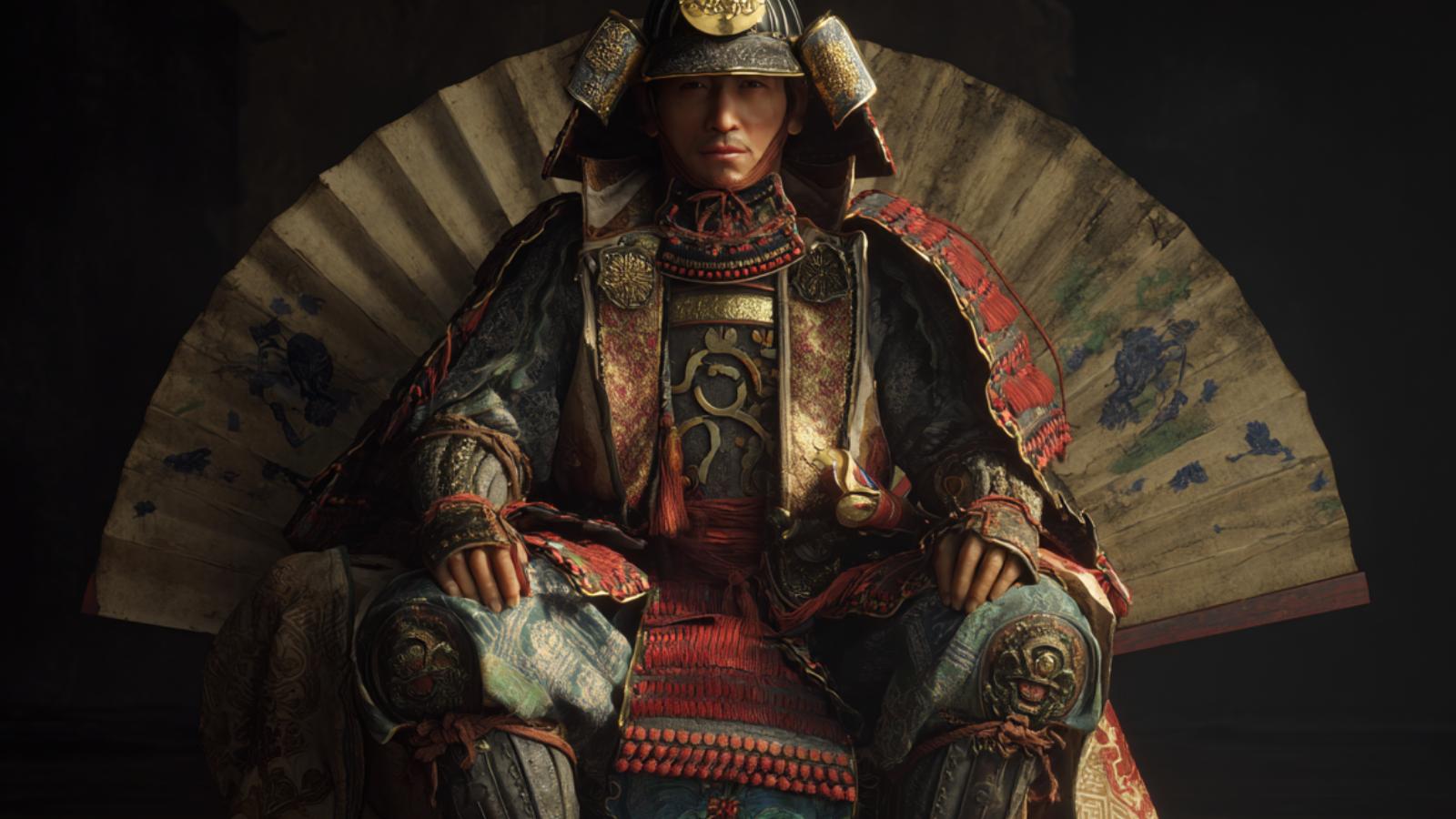
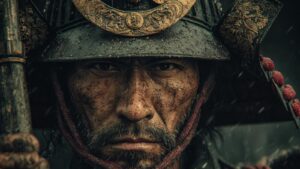
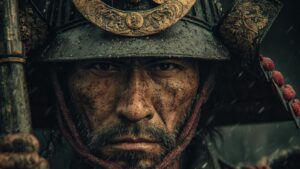
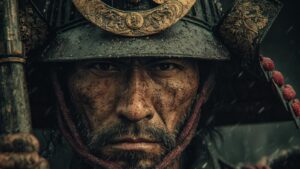
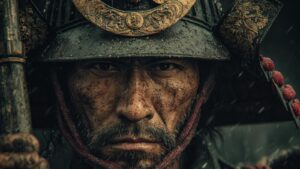
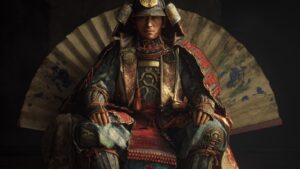
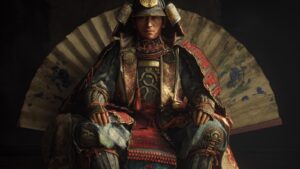
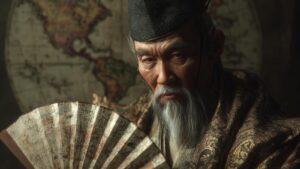
About Hojo Ujitsuna
As the son of Hojo Ujitsugum, he was instilled with the values of governance and military strategy from an early age.
Upon his fathers death, Ujitsuna inherited the leadership of the clan, and under his rule, he focused on consolidating power and enhancing the clans influence.
Ujitsunas reign saw various conflicts with neighboring clans, including the Takeda and the Uesugi.
He artfully navigated these challenges, optimizing his political and military strategies.
Ujitsuna was not just a ruler but also a capable commander on the battlefield.
His strategies reflected a deep understanding of both terrain and enemy movements, often outmaneuvering opponents despite being outnumbered.
He significantly reinforced the fortifications in his domain, ensuring the Hojo clans resilience against invasions.
Hojo Ujitsuna died in 1542, leaving behind a as a wise ruler and a masterful strategist.
His contributions to the Hojo clan laid the groundwork for its prominence during the Sengoku period, showcasing the importance of both military and political savvy in feudal Japan.
His dedication to governance and his insightful strategies continue to be remembered by historians today.
comment