
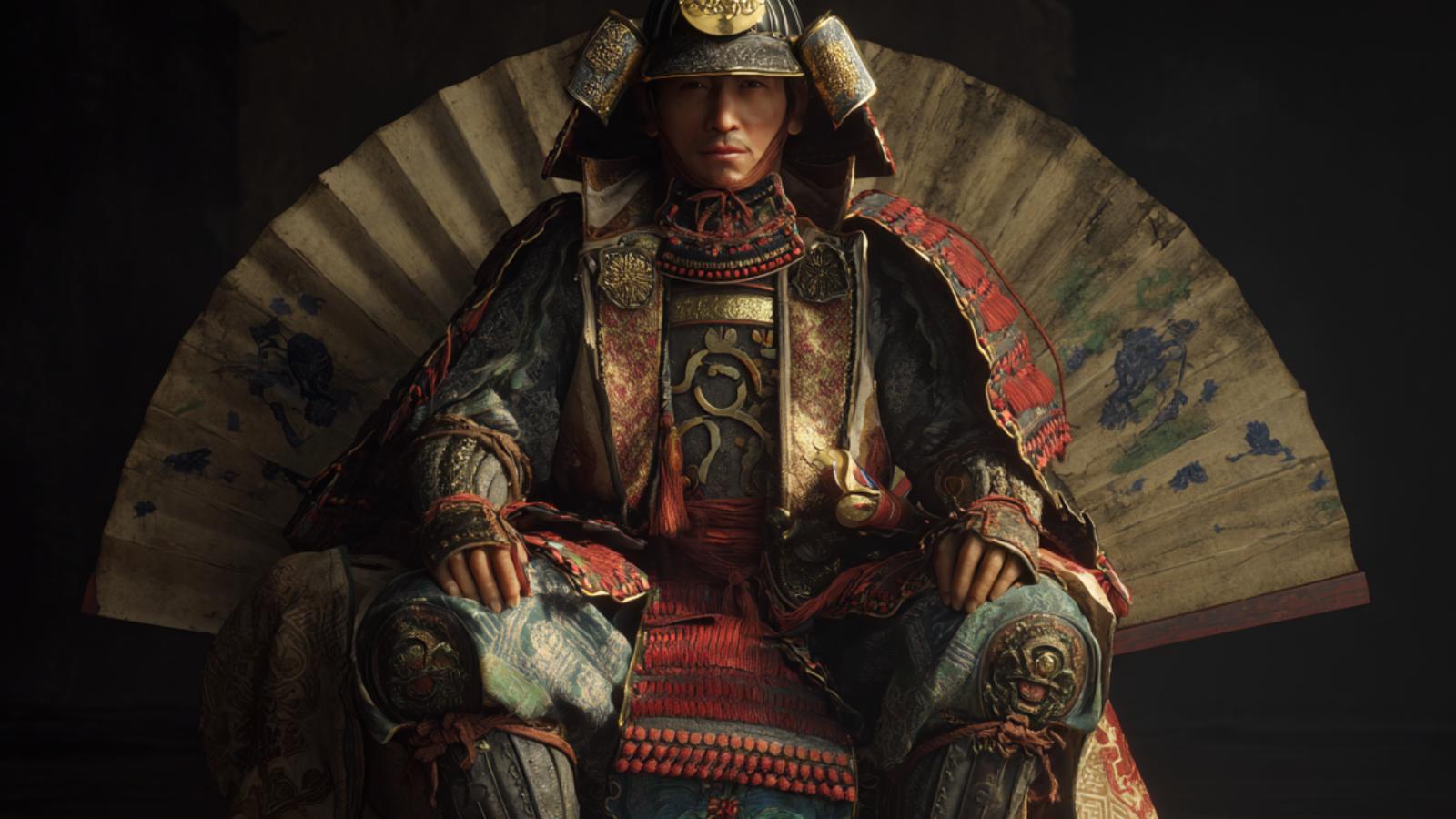
“武士の誇りは、戦いの中で磨かれる。”
— A warrior’s pride is polished in battle.

| Lead 統率 |
Valor 武勇 |
Intel 知略 |
Pol 政治 |
|---|---|---|---|
| 75 | 60 | 70 | 80 |
| Name (JP) | 北条 氏照 |
|---|---|
| Title | Daimyo |
| Clan / Force | Hojo Clan |
| Era | 1537 – 1590 |
| Origin | Sagami |
| Key Battles | |
| Arts | Noh Theatre |
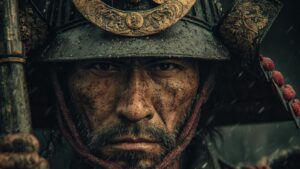
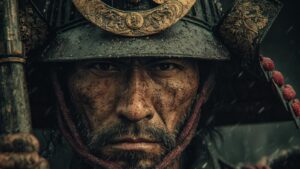
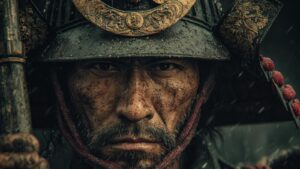
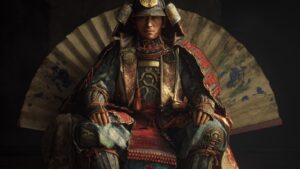
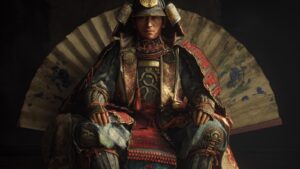
About Hojo Ujiteru
Growing up in a family known for its military prowess and political acumen, Ujiteru was educated in the traditional samurai arts, preparing him for a life of leadership and warfare.
Upon the death of his father in 1541, Ujiterus elder brother, Ujiteru, took command, and Ujiteru was expected to support him and later step into leadership himself.
Ujiteru came into his own as a capable daimyo during the tumultuous Sengoku period, a time when Japan was fragmented into warring states.
He took charge of his domain at a young age and was recognized for his effective governance and military strategy.
Ujiteru successfully defended Sagami from numerous incursions and rival clans, including the invading forces of Takeda Shingen and Uesugi Kenshin.
His leadership skills earned him a reputation, though he was often overshadowed by his more famous predecessors.
Throughout his life, Ujiteru engaged in several key, solidifying the power of the Hojo clan.
One of his notable contributions was during the siege of Odawara in 1590, where he attempted to protect his clans stronghold against the forces of Toyotomi Hideyoshi.
Despite his efforts, the siege culminated in a significant defeat for the Hojo clan, leading to the eventual downfall of their power in the Kanto region.
Ujiteru’s military capabilities were evident, yet he often faced challenges from rival clans, testing his resolve in numerous skirmishes.
Hojo Ujiterus is one of a steadfast leader who faced the trials of his time with courage and determination.
Although he did not achieve the legendary status of contemporaries like Oda Nobunaga or Toyotomi Hideyoshi, his contributions to the Hojo clan and the military history of Japan remain noteworthy.
Ujiterus commitment to his clan and his strategic governance style exemplified the qualities of a true samurai leader in the Sengoku period, leaving a lasting impact on the history of the era.
comment