
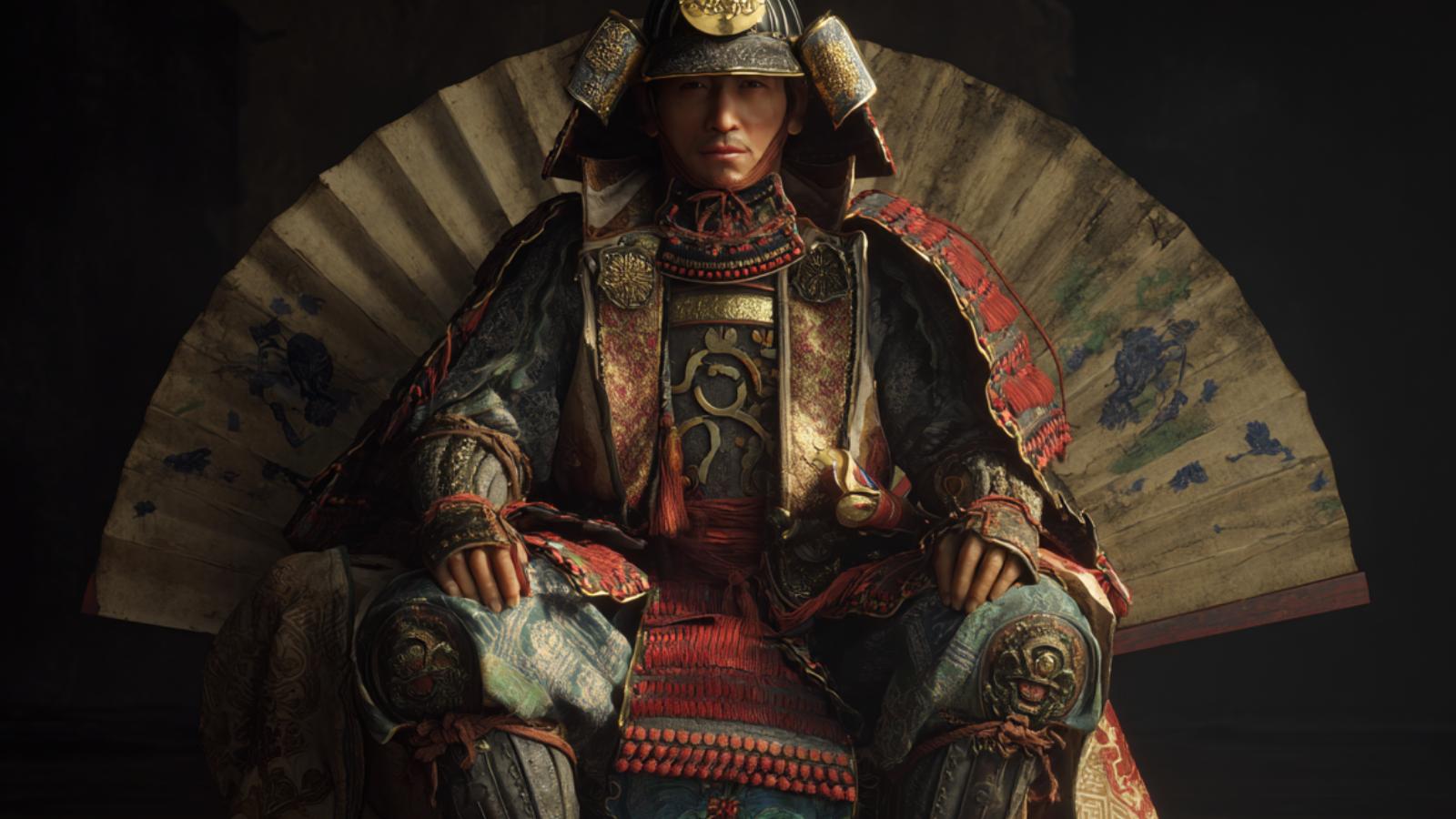
“人の道は常に一本である。”
— The path of humanity is always singular.

| Lead 統率 |
Valor 武勇 |
Intel 知略 |
Pol 政治 |
|---|---|---|---|
| 75 | 60 | 80 | 70 |
| Name (JP) | 北条 氏政 |
|---|---|
| Title | Daimyo |
| Clan / Force | generic_daimyo.jpg |
| Era | 1536 – 1590 |
| Origin | Sagami |
| Key Battles | |
| Arts | Noh Theatre |
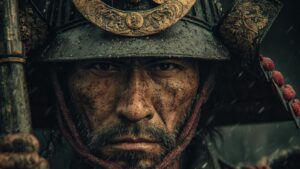
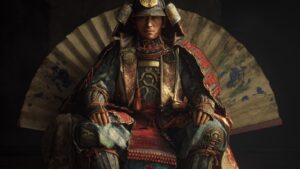
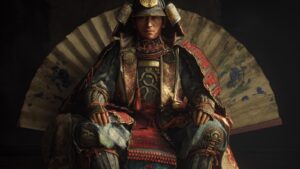
About Hojo Ujimasa
As a member of the Shugo lineage, Ujimasa was groomed for leadership from a young age, focusing on both military tactics and governance.
Under Ujimasas leadership, the Hojo clan sought to consolidate its power in the Kanto region.
Ujimasa proved to be a capable administrator, implementing effective policies to maintain stability and order in his territories.
Despite his capable governance, the clan faced constant threats from powerful enemies, including the Takeda and Tokugawa clans.
Ujimasas strategic decision-making was crucial in navigating these challenges, although he was not as renowned for battlefield valor as some of his contemporaries.
Throughout his time as daimyo, Ujimasa engaged in several notable, including those against the forces of Toyotomi Hideyoshi.
His leadership was defined more by strategic retreats and tactical maneuvers rather than by aggressive conquests.
However, during the Siege of Odawara in 1590, he was unable to withstand the overwhelming forces under Hideyoshis command.
Ujimasa ultimately chose to commit seppuku when faced with the defeat of his clan, demonstrating his adherence to the samurai code of honor.
Despite not achieving the legendary status of some of his peers, Ujimasa is remembered for his sharp intellect and governance.
His ability to manage the affairs of the Hojo clan helped to sustain their power for decades.
Hojo Ujimasas life serves as a reflection of the tumultuous Sengoku period, showcasing the struggles of regional powers amidst the of a central authority in Japan.
His endures through historical studies and the lore of samurai culture, making him a significant figure in Japans feudal history.
“,,Real,Siege of Odawara
comment