
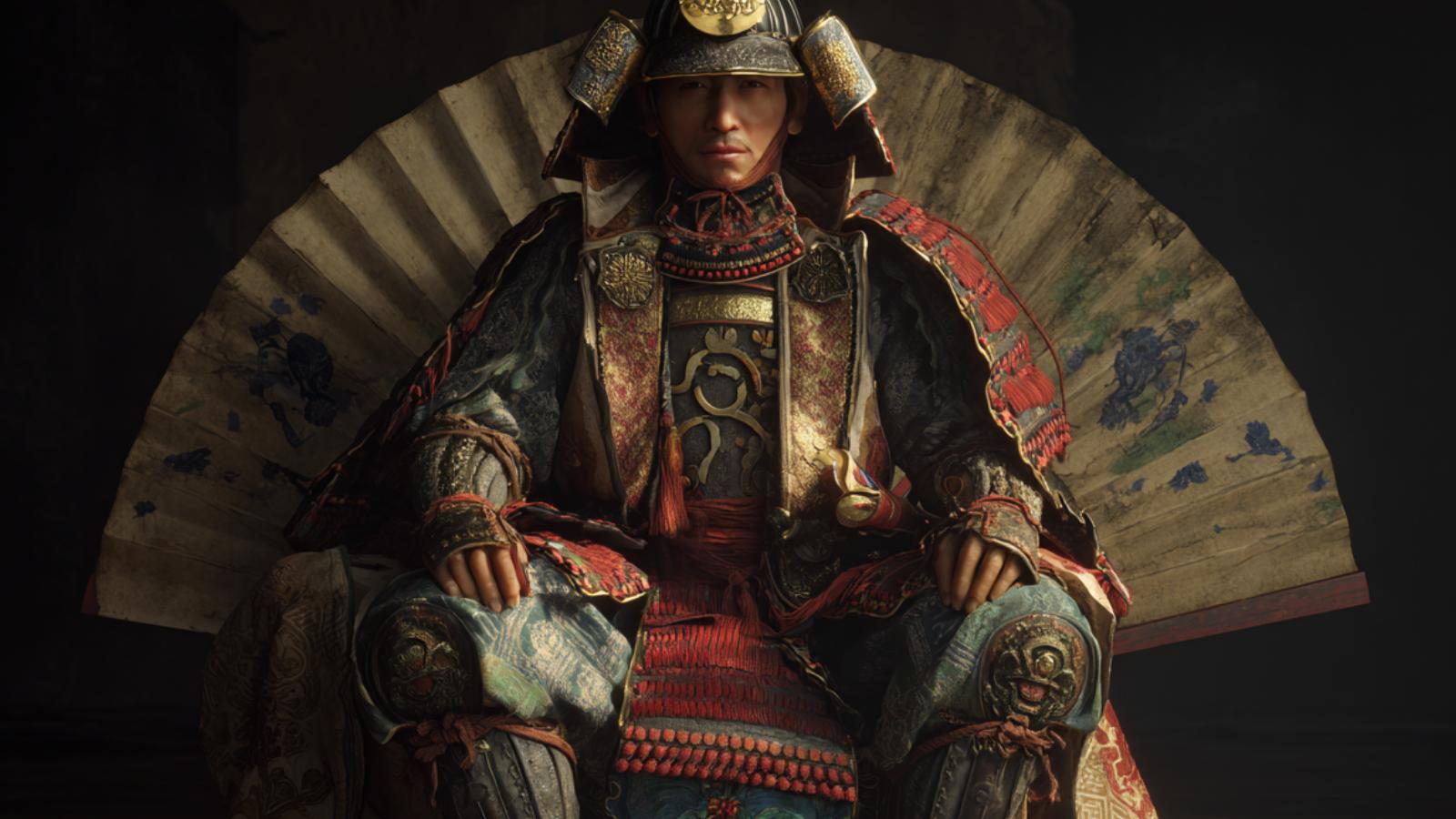
“義を守る者に、道は開ける。”
— Those who uphold righteousness shall find the path opened.

| Lead 統率 |
Valor 武勇 |
Intel 知略 |
Pol 政治 |
|---|---|---|---|
| 70 | 65 | 75 | 80 |
| Name (JP) | 北条 氏邦 |
|---|---|
| Title | Daimyo |
| Clan / Force | Hojo Clan |
| Era | 1560 – 1615 |
| Origin | Sagami |
| Key Battles | |
| Arts | Noh Theatre |
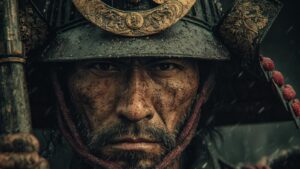
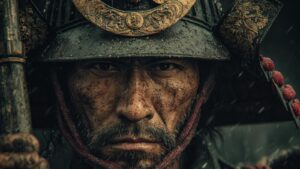
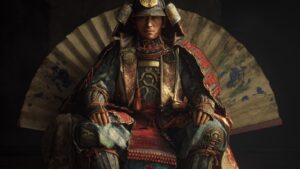
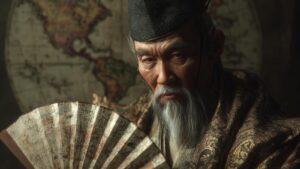
About Hojo Ujikuni
He was raised in a turbulent environment, as the Sengoku period was marked by constant warfare and shifting alliances.
Ujikuni was groomed for leadership from a young age and educated in the arts of war and governance, honing his skills in both military strategy and court politics.
As he came of age, Ujikuni took command of various military campaigns on behalf of his family.
His leadership became apparent during skirmishes against rival clans, where his strategic insights were admired.
By leveraging both diplomacy and military prowess, Ujikuni solidified his clans position in the Kanto region.
Furthermore, he was known to promote the arts and culture, particularly Noh Theatre, which flourished under his patronage during times of peace.
Ujikunis most notable occurred during the late 1580s as the forces in Japan began to consolidate under prominent leaders such as Toyotomi Hideyoshi.
While he faced significant challenges, including skirmishes with the Toyotomi forces, Ujikuni adeptly navigated the politics of shifting alliances and utilized his intelligence to avoid complete annihilation of his clan.
His tactical decisions often leaned more towards preservation and diplomacy than outright conquest, reflecting his understanding of the greater picture of feudal Japan.
Hojo Ujikunis reign ended in 1615 during the Siege of Ōsaka, with the downfall of the Toyotomi clan marking a new era in Japanese history.
His lies not only in his military endeavors but also in his contributions to culture and governance.
The principles he upheld, notably the importance of righteousness and loyalty, continue to resonate in samurai traditions.
Ujikuni’s influence can be observed in the way subsequent leaders governed, highlighting the blend of martial skill and cultural appreciation that characterized the samurai ethos.

comment