
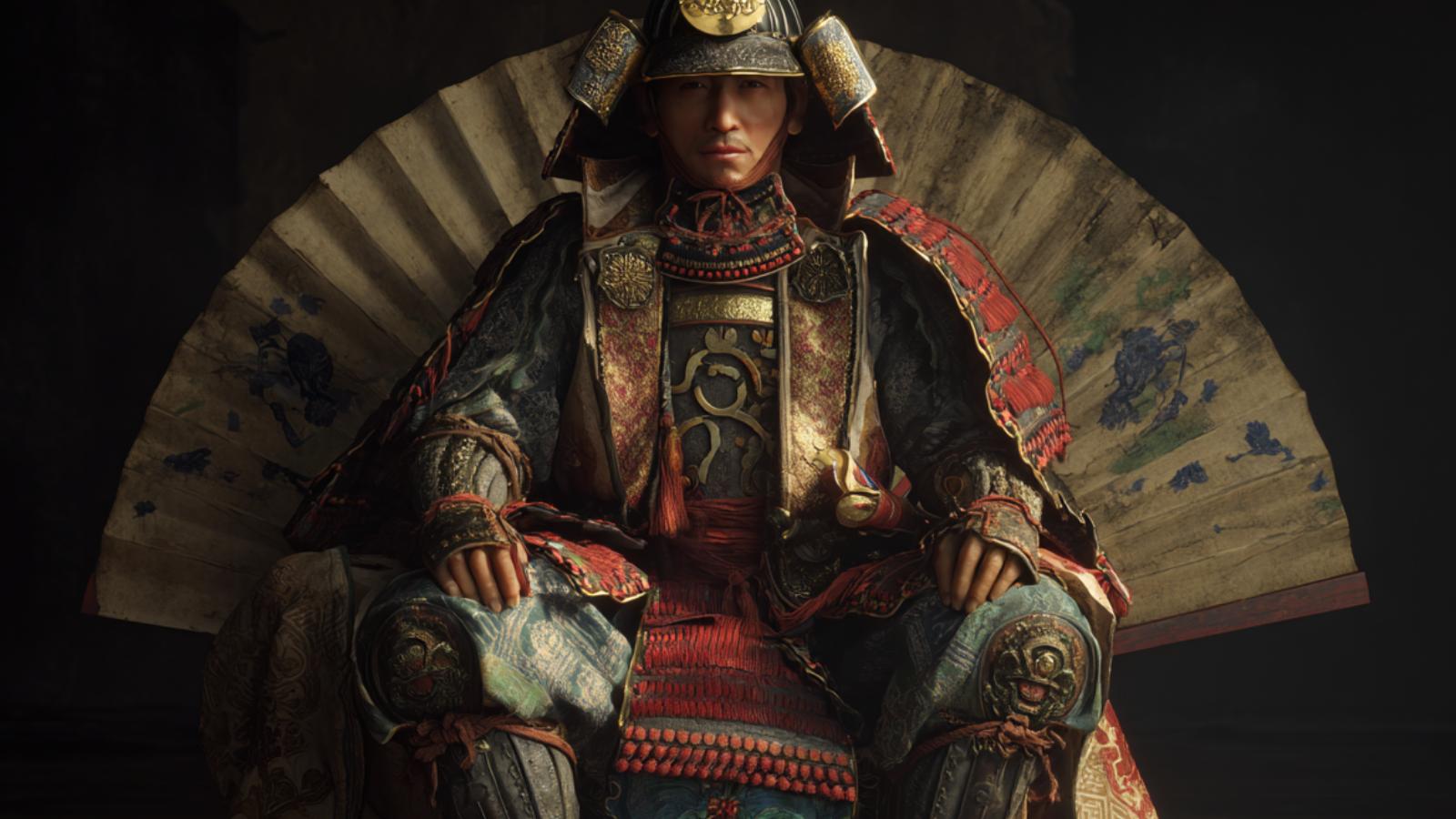
“戦は信念が勝る。”
— In battle, conviction triumphs.

| Lead 統率 |
Valor 武勇 |
Intel 知略 |
Pol 政治 |
|---|---|---|---|
| 70 | 75 | 68 | 72 |
| Name (JP) | 久武 親直 |
|---|---|
| Title | Daimyo |
| Clan / Force | Unknown |
| Era | 1560 – 1622 |
| Origin | Kōzuke |
| Key Battles | |
| Arts | Calligraphy |
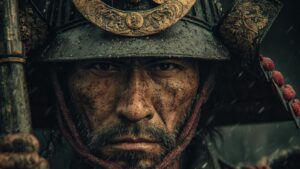
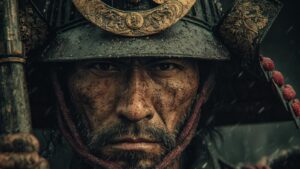
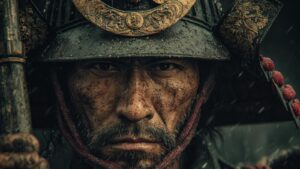
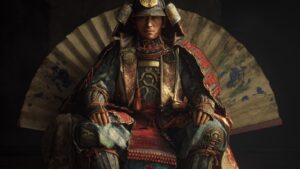
About Hisatake Chikanao
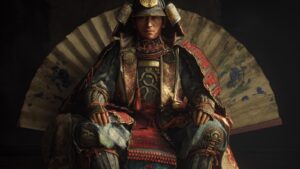
He grew up during one of the most tumultuous times in Japanese history, the Sengoku period, where regional lords fought for power and control.
Chikanao was trained in the arts of war from an early age and demonstrated a considerable talent for both strategy and personal combat, allowing him to quickly within the ranks of samurai society.
Throughout the late 16th century, Chikanao steadily gained a reputation for his leadership capabilities and valor in battle.
He served under several powerful daimyo and was involved in numerous skirmishes and conflicts as the power dynamics in Japan shifted.
By the time of the unification efforts led by Tokugawa Ieyasu, Chikanao had earned respect among his peers and was granted the of daimyo, which expanded his influence substantially over Kōzuke province.
Chikanao participated in several key during the Sengoku period, where he showcased his tactical acumen.
His ability to inspire and lead troops in combat earned him loyalty from his retainers and soldiers.
While he was not as legendary as some of his contemporaries, he was a capable general whose contributions should not be overlooked.
His most prominent military achievement was in repelling an invasion from a rival clan, which solidified his standing in the region and brought peace to Kōzuke for a time.
Hisatake Chikanaos is marked by his dedication to his samurai ideals and his role in fostering stability in a time of chaos.
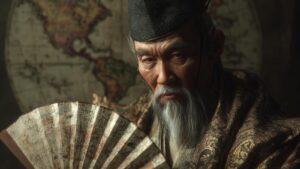
He was known for his love of calligraphy, intertwining the arts with his martial spirit.
After his death in 1622, Chikanao was remembered not only as a capable warrior but as a wise leader who prioritized the well-being of his people.
His contributions, though overshadowed by greater figures, established a foundation for the Kōzuke province that would last long after his time.
comment