
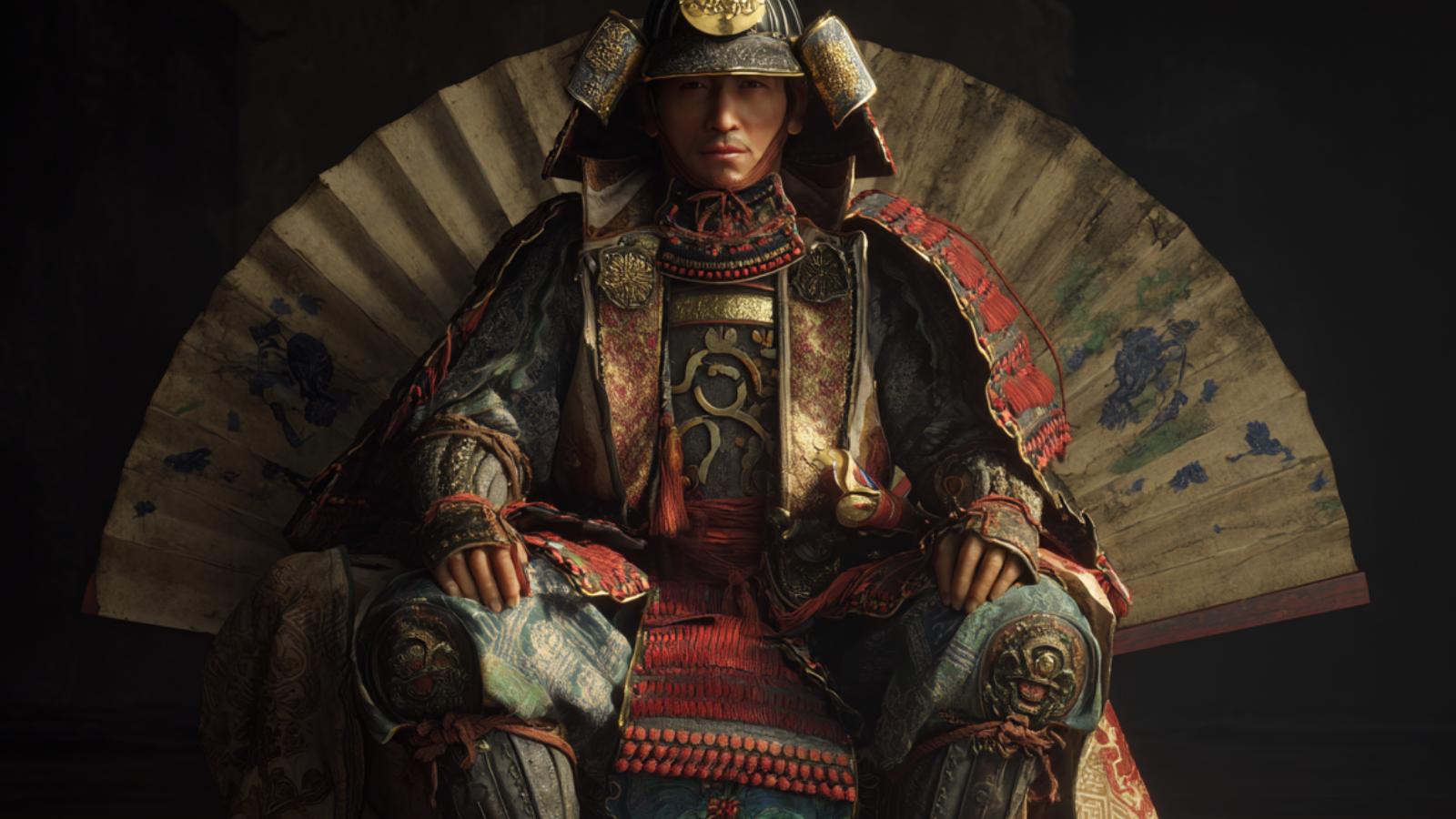
“戦の道は、智と勇を併せ持つ者にしか歩めぬ。”
— The path of war can only be tread by those who possess both wisdom and courage.

| Lead 統率 |
Valor 武勇 |
Intel 知略 |
Pol 政治 |
|---|---|---|---|
| 75 | 70 | 80 | 65 |
| Name (JP) | 平野 長泰 |
|---|---|
| Title | Daimyo |
| Clan / Force | Tokugawa Shogunate |
| Era | 1536 – 1601 |
| Origin | Mutsu |
| Key Battles | |
| Arts | Military Strategy |
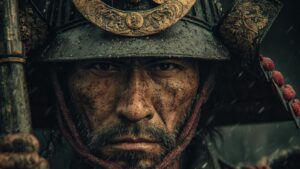
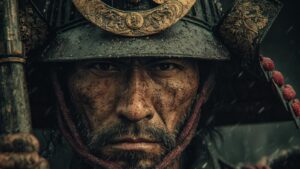
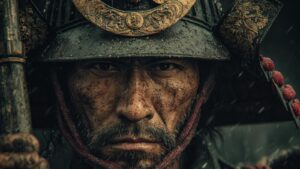
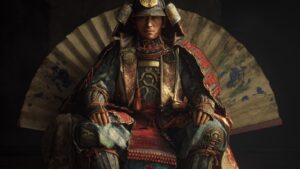
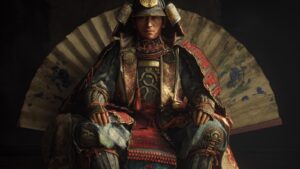
About Hirano Nagayasu
His father was a local shugo, which positioned him favorably in the social hierarchy of Japans fragmented Warring States period.
From a young age, Nagayasu was steeped in martial training and the arts of governance, learning the importance of strategy and loyalty as fundamental tenets of his future leadership.
As he matured, Nagayasu gained recognition for his contributions to the Uesugi clan, where he served faithfully as a retainer.
His keen intellect allowed him to devise effective strategies during regional conflicts, and his bravery on the battlefield earned him the respect of his peers and superiors alike.
By the late 1560s, he had n to the rank of daimyo, ruling over a small domain where he established himself as a competent leader who balanced military prowess with administrative duties.
Throughout his career, Nagayasu engaged in several skirmishes and that defined the landscape of his time.
Notable among these was his participation in the Siege of Koriyama, where his tactical decisions significantly influenced the outcome.
His understanding of battlefield dynamics and troop morale made him a valuable asset to the Uesugi and allowed him to expand his domains influence in the region.
Despite facing numerous challenges, including rival clans and internal strife, he managed to maintain a steady grip on his territories through diplomacy and might.
Nagayasus is one of capability and respect.
While he may not be as renowned as some of his contemporaries, his contributions to the Uesugi clan and his efforts in maintaining order in a tumultuous time remain a point of interest for historians studying the Warring States period.
He died in 1601, leaving behind a reputation as a reliable and wise leader who understood the delicate balance between warfare and governance.
comment