
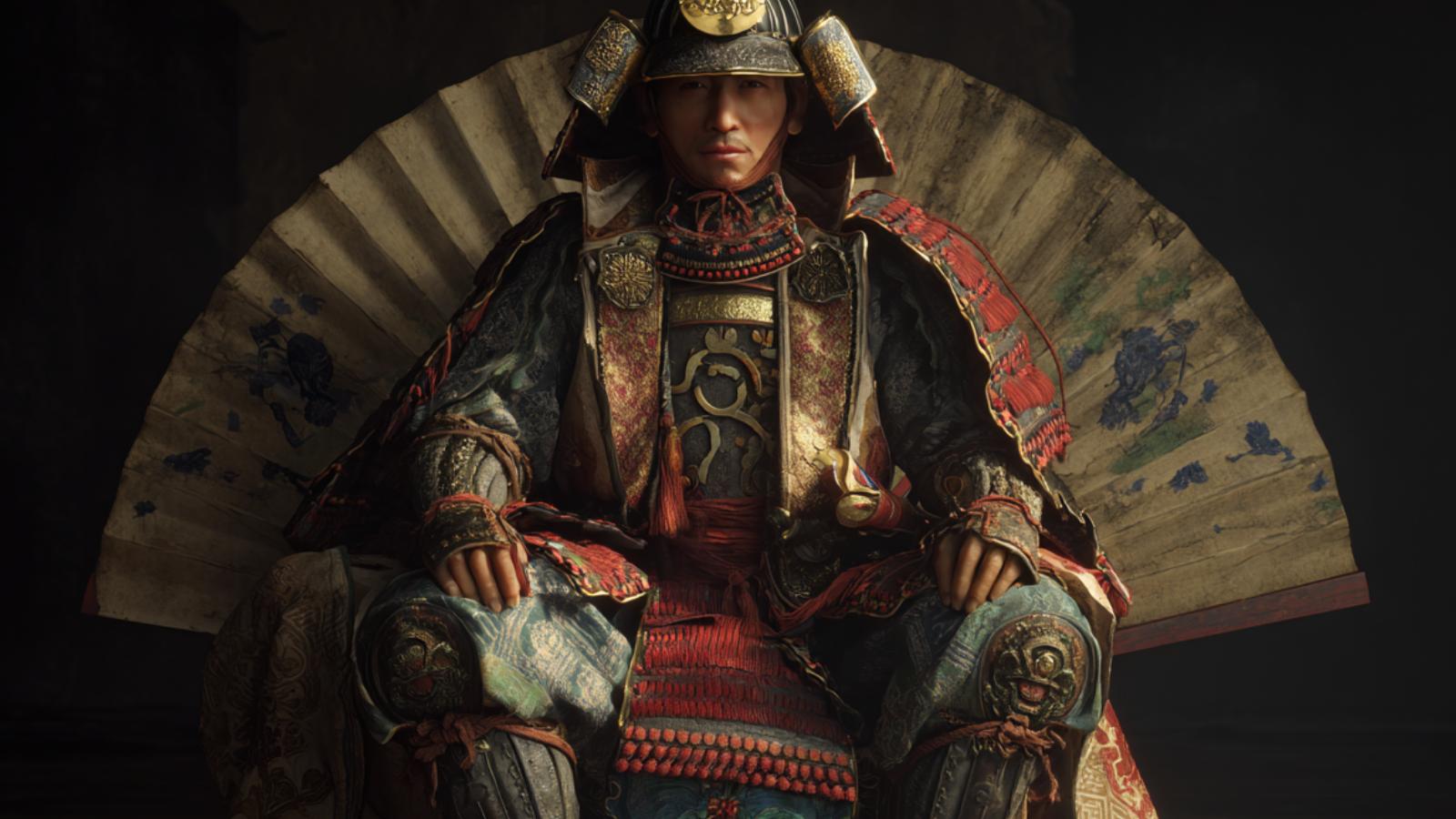
“武士の名は、死ぬべき時に死ぬことである。”
— The name of a samurai is to die at the time one should die.

| Lead 統率 |
Valor 武勇 |
Intel 知略 |
Pol 政治 |
|---|---|---|---|
| 75 | 70 | 65 | 60 |
| Name (JP) | 林 秀貞 |
|---|---|
| Title | Daimyo |
| Clan / Force | Unknown |
| Era | 1566 – 1612 |
| Origin | Omi |
| Key Battles | |
| Arts | Calligraphy |
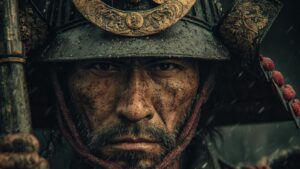
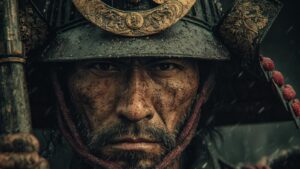
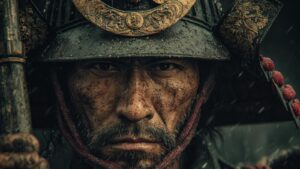
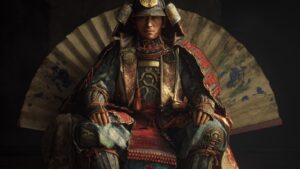
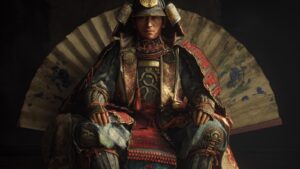
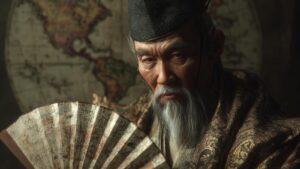
About Hayashi Hidesada
He was raised in a turbulent era where constant warfare influenced the upbringing of young samurai.
From an early age, he exhibited strong martial skills and developed a deep appreciation for the arts, particularly calligraphy, which would later influence his leadership style.
As Hidesada matured, he began serving under prominent Daimyo of the region.
His strategic mind became evident during local skirmishes as he demonstrated a keen ability to adapt and manipulate battlefield situations.
His reputation grew, and by the late 1580s, he was appointed as a Daimyo, commanding his own forces and aligning with larger factions in the ongoing power struggle for control of Japan.
Hidesada participated in several significant during the late Sengoku period.
His involvement in conflicts such as the Siege of Osaka and skirmishes against rival factions showcased his valor and command capabilities.
While he may not have achieved legendary status like his contemporaries, Hidesada was respected for his tactical approach and his ability to rally his troops in dire circumstances.
After his death in 1612, Hidesadas contributions to the samurai culture and his role in the turbulent times of the Sengoku period became part of the collective memory of the region.
Though not as famous as other generals, Hidesada is remembered for his dedication to the samurai code and his efforts in supporting his liege lords throughout his career.
comment