
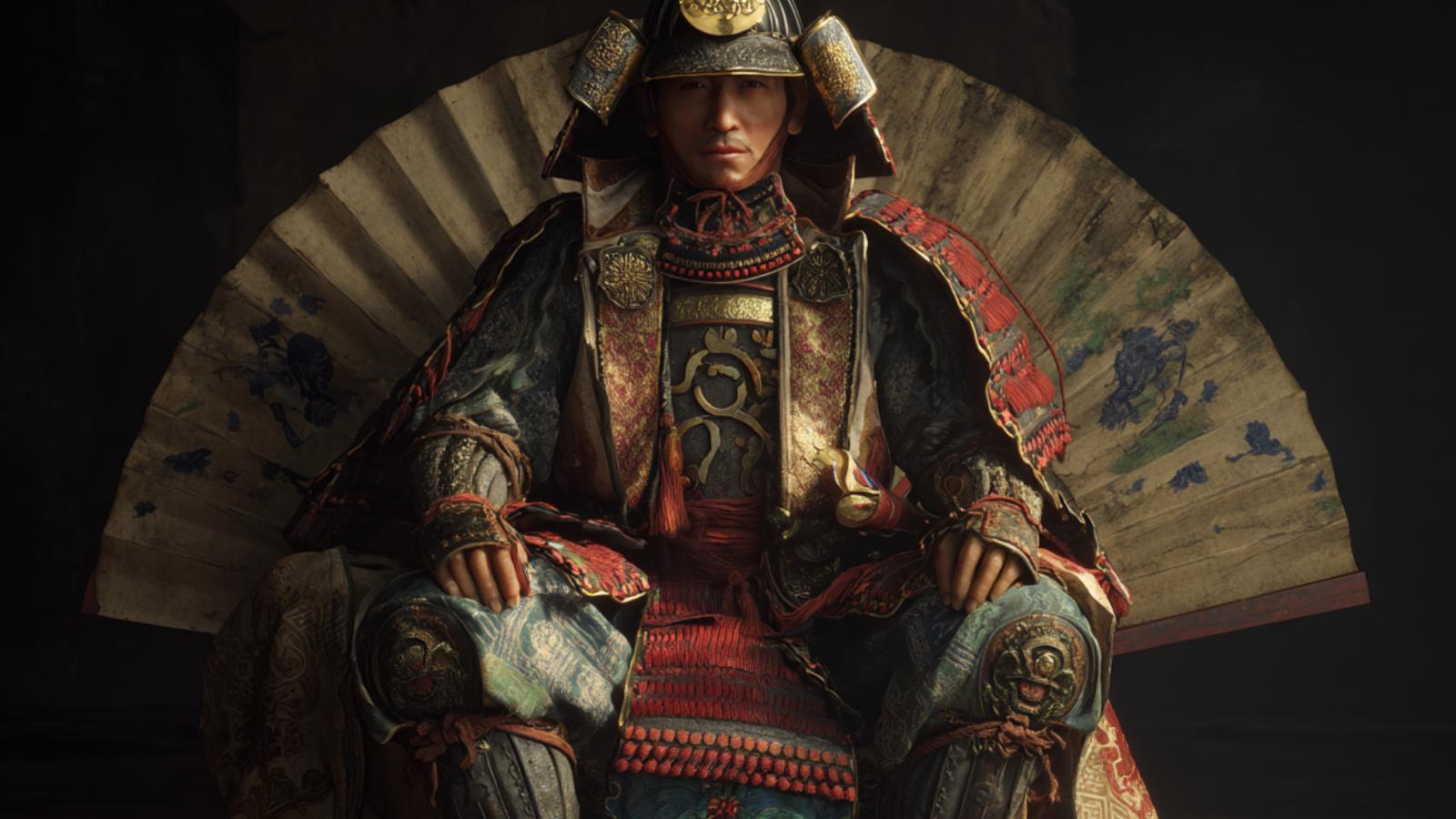
“勝利は心の平穏に宿る。”
— Victory resides in the tranquility of the heart.

| Lead 統率 |
Valor 武勇 |
Intel 知略 |
Pol 政治 |
|---|---|---|---|
| 75 | 70 | 80 | 65 |
| Name (JP) | 畠山 義綱 |
|---|---|
| Title | Daimyo |
| Clan / Force | Hatakeyama Clan |
| Era | 1240 – 1300 |
| Origin | Mutsu |
| Key Battles | |
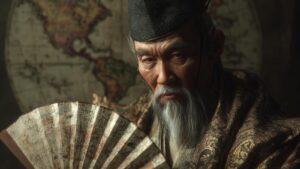
| Arts | Noh Theatre |
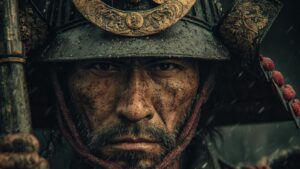
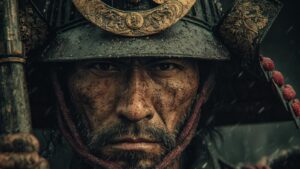
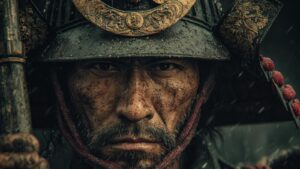
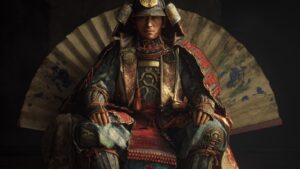
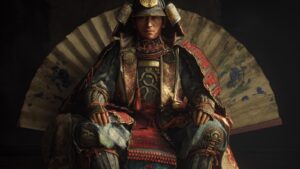
About Hatakeyama Yoshitsuna
From a young age, he was steeped in the martial traditions of the samurai, having been educated in both strategies of war and the arts, particularly Noh Theatre which was popular among samurai elites.
His upbringing in the tumultuous era of the Kamakura period shaped his character and ambitions, igniting a lifelong commitment to the samurai code of honor and loyalty.
As he reached adulthood, Yoshitsuna began his within the samurai ranks, quickly establishing himself as a capable general noted for his strategic insight.
His victories in regional skirmishes marked him as a worthy leader, and he gained the favor of the Ashikaga clan, becoming a trusted ally as the political landscape began to shift towards the Muromachi period.
His ability to navigate complex alliances and rivalries allowed him to secure a position of power, where he wouldnt just focus on military exploits but also on governance and the stability of his domain.
Throughout his career, Yoshitsuna commanded troops in various, often leading them to victory through a combination of tactical acumen and courageous leadership.
His most recognized engagements include the against the Northern Court loyalists and the suppression of neighboring clans who threatened the Ashikagas authority.
His valor earned him respect not only from his own troops but also from adversaries, contributing to his mythic status within samurai lore.
Despite facing overwhelming odds on several occasions, he remained steadfast, eming the principles of courage and honor that defined the samurai ethos.
Yoshitsuna’s continued long after his passing in 1300.
He is remembered as a model samurai who exemplified the blending of martial prowess and cultured refinement, a true representation of the samurai spirit that influenced generations thereafter.
His contributions to Noh Theatre and governance also left a lasting mark on Japanese culture, demonstrating that the role of a samurai extends beyond the battlefield.
Today, he is celebrated as a historical figure whose life reflects the complexities and the enduring spirit of the samurai class in medieval Japan.
comment