
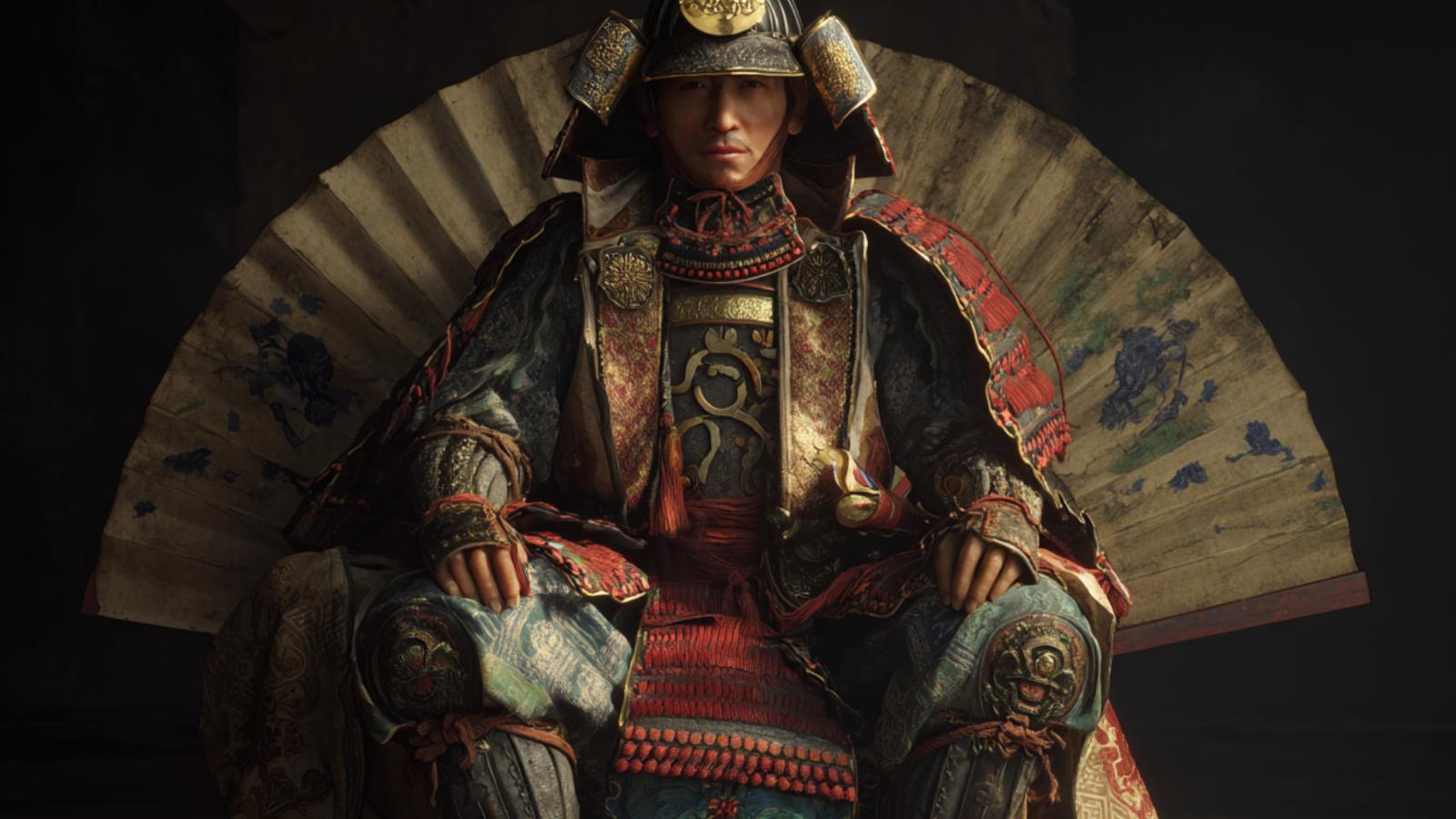
“夢は現実だ。信じる者にのみその姿を見せる。”
— Dreams are reality, revealed only to those who believe.

| Lead 統率 |
Valor 武勇 |
Intel 知略 |
Pol 政治 |
|---|---|---|---|
| 72 | 68 | 75 | 70 |
| Name (JP) | 畠山 稙長 |
|---|---|
| Title | Daimyo |
| Clan / Force | Hatakeyama Clan |
| Era | 1555 – 1587 |
| Origin | Mutsu |
| Key Battles | |
| Arts | Noh Theatre |
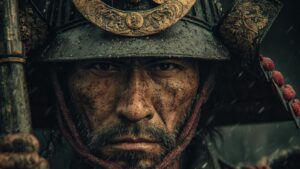
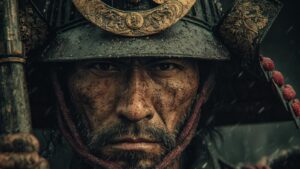
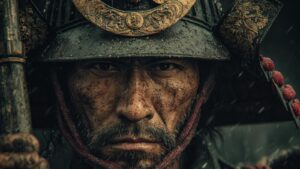
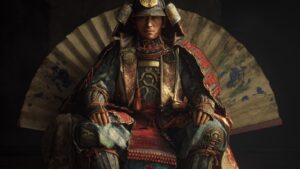
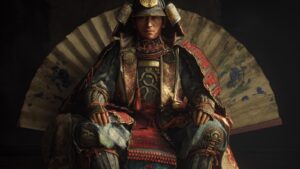
About Hatakeyama Tanenaga
The political landscape was incredibly unstable, marked by clan rivalries and the of powerful warlords.
As a descendant of the Shugo lineage, he was instilled with a strong sense of duty and honor from a young age, which would later influence his actions as a leader.
Tanenaga’s early involvement in military engagements against rival clans showcased his capability as a commander, earning him the respect of his peers.
As he navigated alliances, one notable alliance formed with the Uesugi clan helped to solidify his position in the region.
His leadership attracted a loyal following, and over time, he managed to expand his territory effectively, demonstrating both political acumen and military prowess.
Throughout his career, Tanenaga participated in several key including skirmishes against the Date and Satake clans.
His strategies often involved careful planning and the use of terrain to his advantage, reflecting his solid understanding of warfare.
While he was not the most recognized figure on the battlefield, his contributions were critical in the success of larger campaigns orchestrated by his ally, Uesugi Kenshin.
Despite his relatively lower profile compared to other warlords of his time, Tanenagas is preserved through his contributions to governance and culture in Mutsu province.
His patronage of Noh Theatre reflected his appreciation for the arts, and his policies ensured stability in the regions under his control.
Although often overshadowed by the more famous generals of the Sengoku period, Hatakeyama Tanenaga remains a figure of interest for historians examining the complexity of clan dynamics and regional power plays in feudal Japan.
comment