
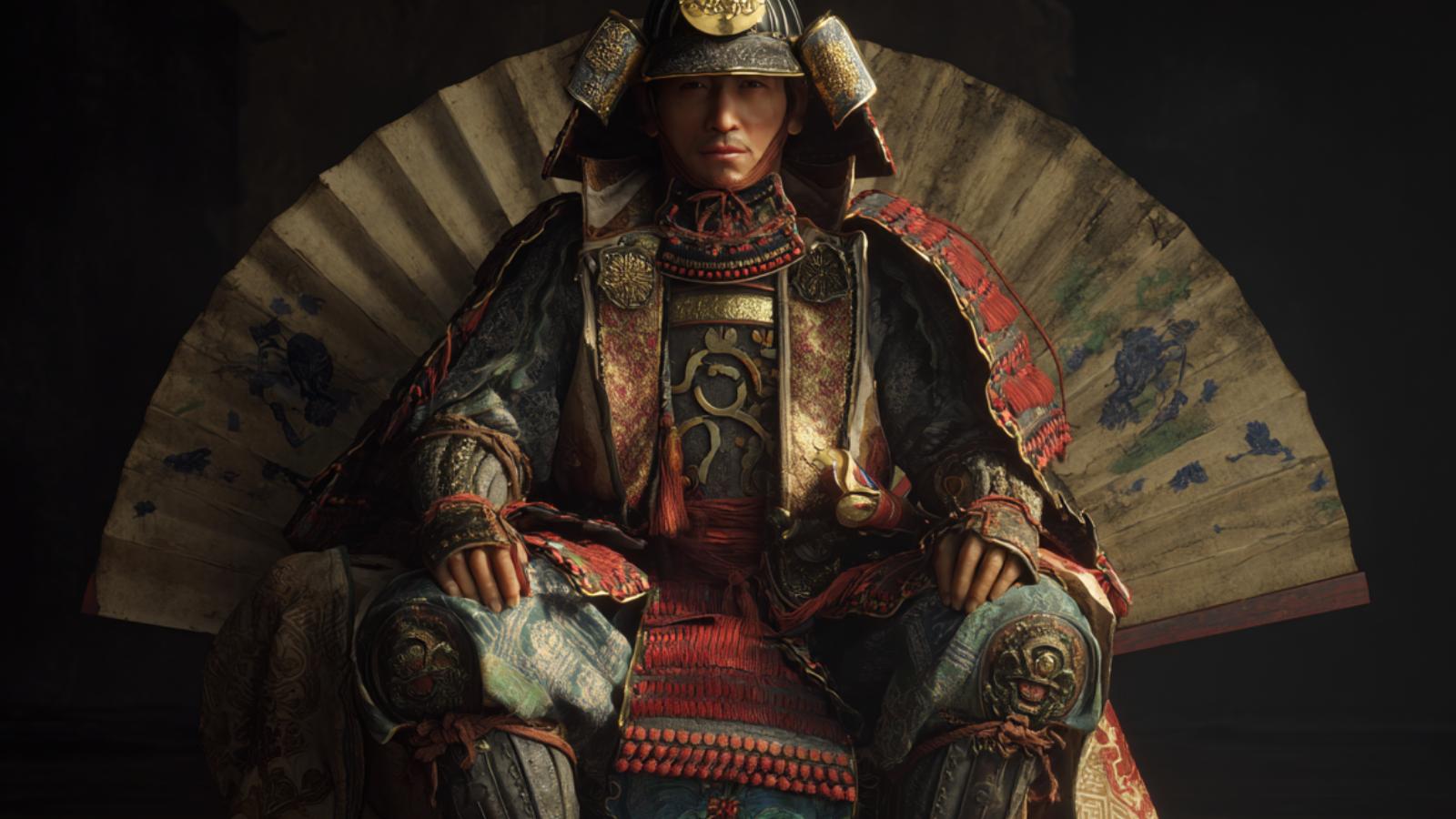
“武士道は義に生きることなり。”
— The way of the samurai is to live by righteousness.

| Lead 統率 |
Valor 武勇 |
Intel 知略 |
Pol 政治 |
|---|---|---|---|
| 75 | 68 | 72 | 65 |
| Name (JP) | 畠山 政長 |
|---|---|
| Title | Daimyo |
| Clan / Force | Hatakeyama Clan |
| Era | 1541 – 1600 |
| Origin | Mutsu |
| Key Battles | |
| Arts | Ikebana |
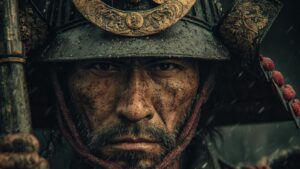
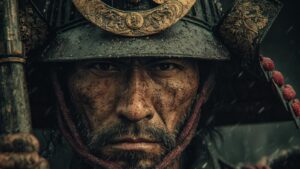
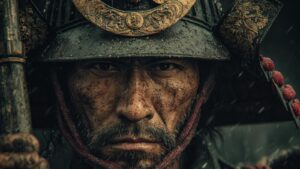
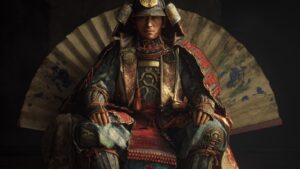
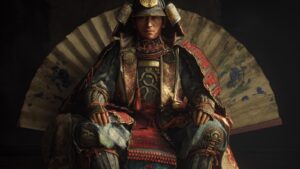
About Hatakeyama Masanaga
He was a member of the Hatakeyama clan, historically known as shugo, or provincial governors, during the medieval Japan era.
His family had a storied of service and loyalty, which influenced Masanagas character from a young age.
Masanagas early career was marked by his involvement in the numerous skirmishes of the Sengoku period.
He rose through the ranks not only because of his lineage but also due to his tactical acumen and bravery.
By the late 16th century, Masanaga had established himself as a capable leader and had gained the trust of his peers, eventually becoming a daimyo.
He focused on consolidating power in Mutsu Province while maintaining strong relations with neighboring territories.
Throughout his military career, Masanaga participated in several key, showcasing notable leadership skills and personal valor.
His strategic direction was pivotal during confrontations against rival daimyo, where he often outmaneuvered his opponents, gaining valuable territory for his clan.
Despite not being as famous as some of his contemporaries, Masanaga earned respect for his military prowess and governance skills.
Hatakeyama Masanagas is characterized by his commitment to the samurai code and his contributions to the political landscape in Mutsu Province.
Although his life was cut short in the turmoil following the unification of Japan, his ideals and values lived on through his descendants.
He is often remembered as a capable general whose efforts helped shape the course of his region during the turbulent years of the Sengoku period.
comment