
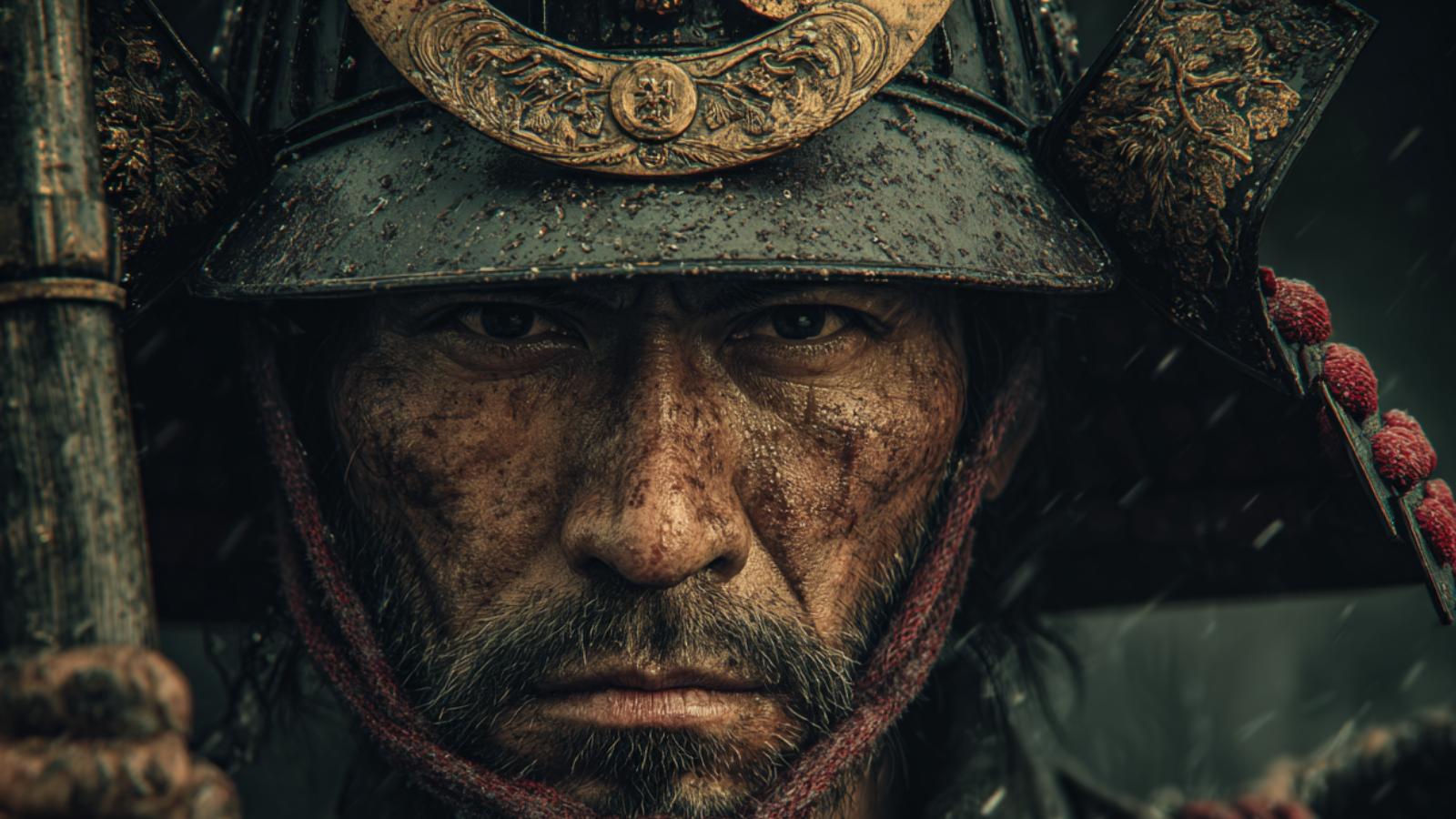
“武士は死を忘れない。”
— The warrior never forgets death.

| Lead 統率 |
Valor 武勇 |
Intel 知略 |
Pol 政治 |
|---|---|---|---|
| 75 | 70 | 80 | 60 |
| Name (JP) | 長谷川 平蔵 |
|---|---|
| Title | Masterless Samurai |
| Clan / Force | Shogunate police |
| Era | 1799 – 1859 |
| Origin | Echigo |
| Key Battles | |
| Arts | Martial Arts |
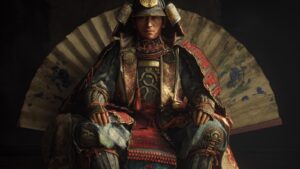
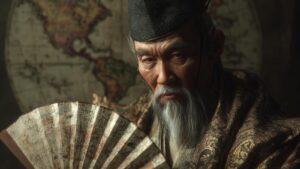
About Hasegawa Heizo
His upbringing in this warrior tradition imbued him with a sense of duty and honor from a young age.
He trained rigorously in various martial arts and developed a deep philosophical outlook on the role of a samurai in society.
This foundation set the stage for his later accomplishments in the turbulent environment of the late Edo period.
As tensions rose in Japan due to internal strife and external pressures from the West, Hasegawa became increasingly involved in the political struggles of the time.
He initially served as a loyal retainer, showcasing remarkable leadership and valor on various missions.
His strong convictions and commitment to the samurai code of ethics allowed him to gain a reputation among his peers, leading to his emergence as a competent player in the eras tumultuous political landscape.
Hasegawa participated in numerous skirmishes during his lifetime, demonstrating exceptional prowess in both personal combat and strategic planning.
While he was not a leader of armies like some of his more prominent contemporaries, his intelligence was evident in the way he navigated complex situations to achieve favorable outcomes for his allies.
His skill in martial arts, particularly in kenjutsu, earned him respect and acknowledgment from both friends and adversaries alike.
Despite not achieving legendary status compared to some of his contemporaries, Hasegawa Heizo remains an important figure in samurai history, illustrating the qualities of a capable general and a devoted warrior.
His story is a reminder of the complexity of the samurais role within the shifting dynamics of Japanese society during the Edo period, and he is remembered as a symbol of honor and duty in the face of adversity.




comment