
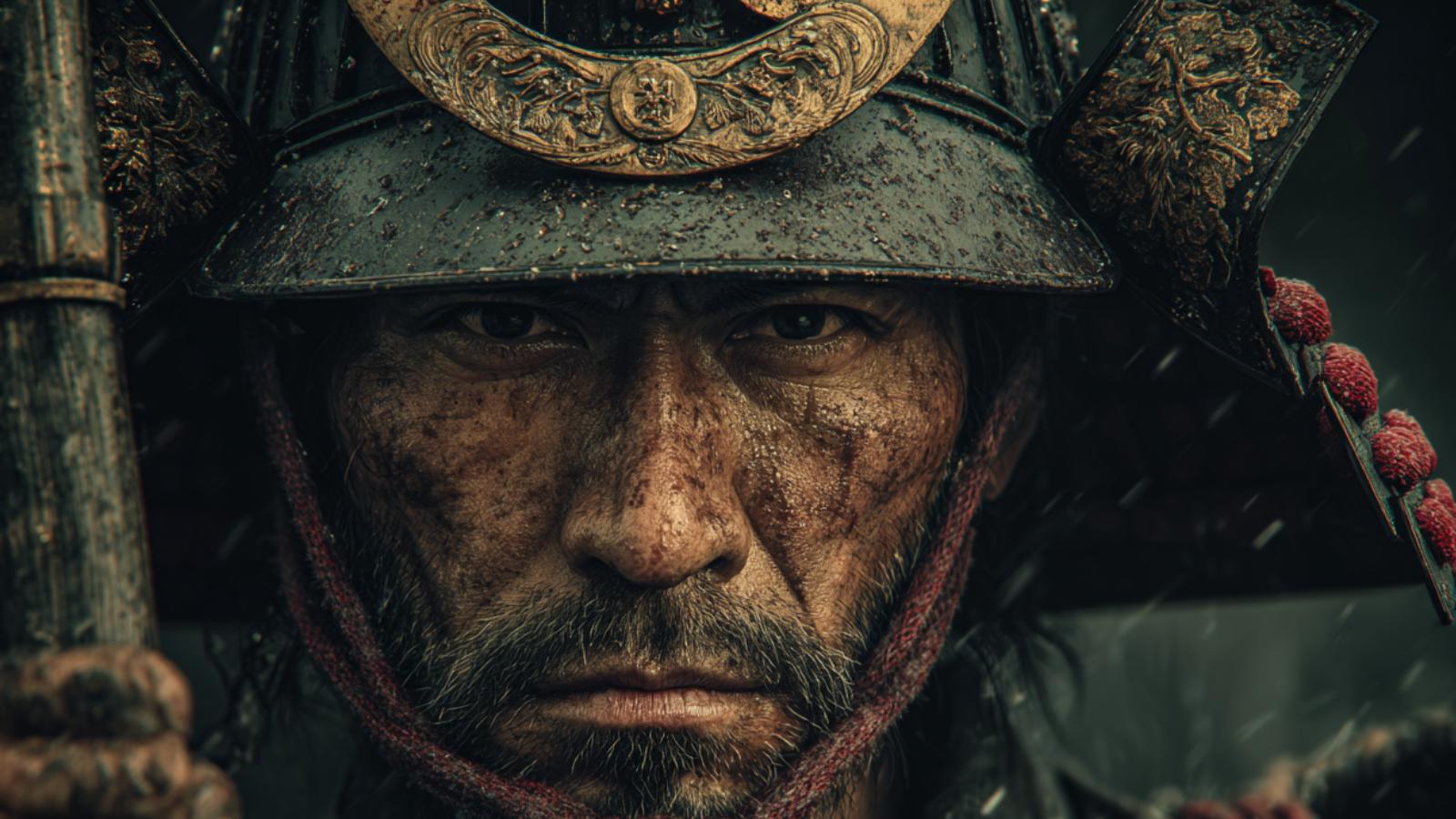
“忠義は剣の道。”
— Loyalty is the way of the sword.

| Lead 統率 |
Valor 武勇 |
Intel 知略 |
Pol 政治 |
|---|---|---|---|
| 78 | 74 | 70 | 65 |
| Name (JP) | 原田 宗時 |
|---|---|
| Title | Chief Retainer |
| Clan / Force | Unknown |
| Era | 1540 – 1600 |
| Origin | Bungo |
| Key Battles | |
| Arts | Calligraphy |
About Harada Munetoki
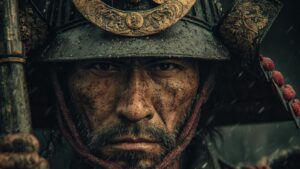
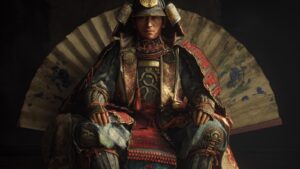
Coming from a samurai lineage, he was steeped in the warrior culture from a young age.
His upbringing was marked by rigorous training in martial arts and strategy, establishing a foundation for his future role as a chief retainer.
Munetokis was influenced heavily by the turbulent conflicts that characterized the Sengoku period, which instilled in him the importance of loyalty and honor among the samurai class.
Munetokis to prominence began in his teenage years when he demonstrated exceptional skills in swordsmanship and an acute sense for strategy.
His potential caught the attention of local lords, and he quickly became a valued retainer.
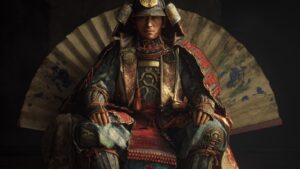
By aligning himself with influential feudal lords, Munetoki was able to secure his position and solidify his reputation as a capable leader amid the chaos of the era.
Throughout his service, Harada played a crucial role in several major of the period.
His ability to adapt to changing circumstances on the battlefield earned him respect from both allies and enemies.
While not one of the legends like Nobunaga or Ieyasu, Munetokis tactical insight and personal valor often turned the tide in favor of his lord.
In the notable Battle of Sekigahara, he fought valiantly, showcasing his dedication and fighting spirit, although this battle ultimately marked a turning point in the power dynamics of Japan.
Despite not achieving the highest ranks of the samurai hierarchy, Harada Munetoki left behind a of loyalty and martial prowess.
His life exemplified the principles of bushido, inspiring future generations of samurai.
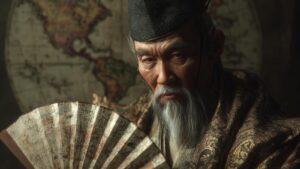
Today, he is remembered not only for his but also for his dedication to the arts, particularly calligraphy, which spoke volumes about the samurais inner life beyond warfare.
Munetokis commitment to both martial and cultural disciplines embodies the multifaceted nature of the samurai ethos.
comment