
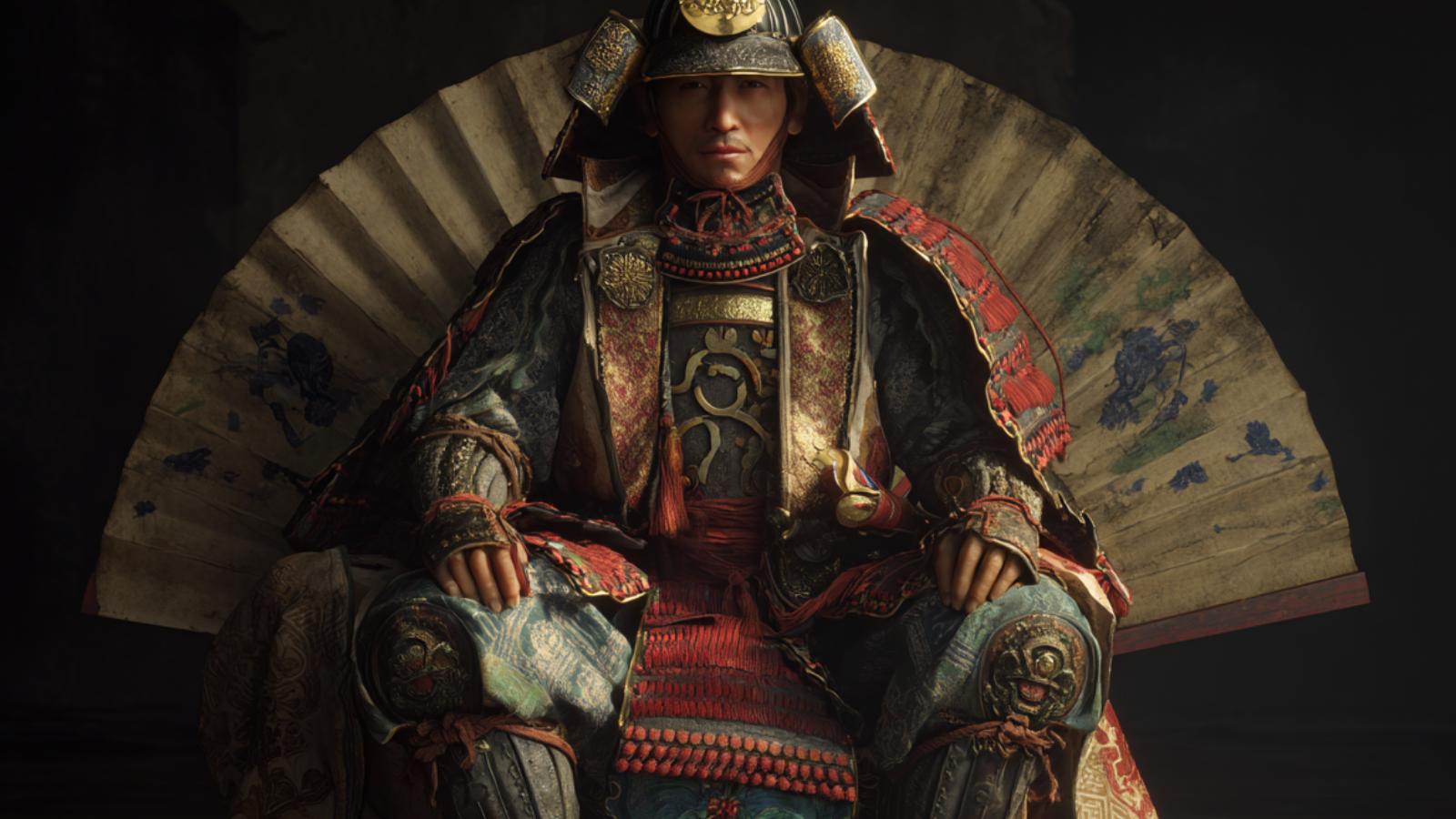
“武士の道は常に正直であるべきである。”
— The way of the samurai must always be honest.

| Lead 統率 |
Valor 武勇 |
Intel 知略 |
Pol 政治 |
|---|---|---|---|
| 70 | 65 | 75 | 60 |
| Name (JP) | 花房 職秀 |
|---|---|
| Title | Daimyo |
| Clan / Force | Unknown |
| Era | 1553 – 1628 |
| Origin | Suzu |
| Key Battles | |
| Arts | Noh Theatre |
About Hanabusa Motohide
Coming from a samurai family, he was introduced to the principles of bushido from a young age.
His early education focused on martial skills and strategy, setting the stage for his future as a capable leader.
Motohides in the ranks began when he joined the service of the powerful local lord.
His leadership skills earned him a reputation as a strategist, especially in skirmishes against rival clans.
Through a combination of valor and intelligence, he managed to secure victories that fortified his position, eventually leading to his promotion to daimyo where he oversaw a considerable territory.
Throughout his military career, Motohide participated in several critical that defined the era, showcasing his ability to outmaneuver larger forces through tactical innovation.
Although he faced his share of defeats, his resilience and capacity for learning from setbacks contributed significantly to his standing among peers.
His forces were known for their discipline and effectiveness, which can be attributed to his leadership capabilities and a keen sense of strategy.
Hanabusa Motohide passed away in 1628, leaving behind a of bravery and governance.
His contributions to the political landscape of his province and the artistic culture were notable, especially in promoting Noh Theatre, which flourished under his patronage.
Today, Motohide is remembered as a competent leader who helped shape the future of his region during one of Japans most chaotic but transformative periods.









comment