
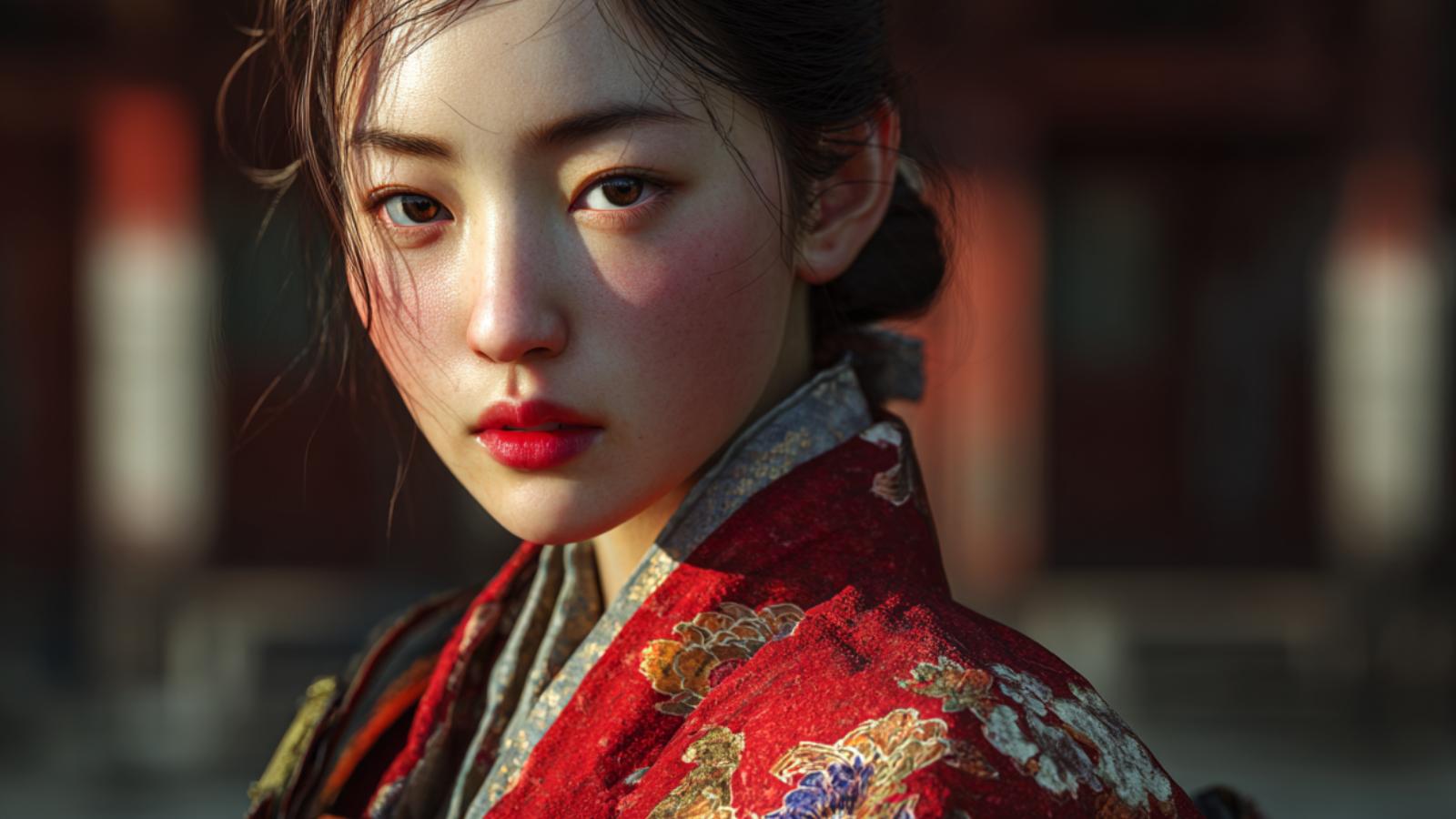
“戦は心の勝利である。”
— Victory in battle is a victory of the heart.

| Lead 統率 |
Valor 武勇 |
Intel 知略 |
Pol 政治 |
|---|---|---|---|
| 65 | 70 | 75 | 60 |
| Name (JP) | 飯坂の局 |
|---|---|
| Title | Lady of the Court |
| Clan / Force | Date Clan |
| Era | 1550 – 1619 |
| Origin | Mutsu |
| Key Battles | |
| Arts | Noh Theatre |
About Han-no-kata
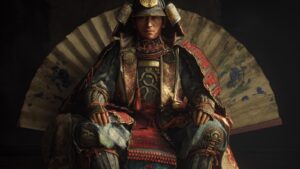
She was born into a samurai family, which greatly influenced her upbringing and instilled in her the values of honor, loyalty, and martial prowess.
From a young age, she was exposed to the ways of the samurai and trained in various martial arts.
This early training would later shape her into a formidable figure during her lifetime.
As she matured, Han-no-katas reputation spread beyond her home province due to her strategic mind and skill in combat.
She became a trusted retainer to several daimyos, managing to navigate the complex political landscape of feudal Japan with notable skill.
Her ability to collaborate and negotiate made her an essential asset in the power struggles that characterized the Sengoku period, as she adeptly balanced the demands of different lords while maintaining her familys honor.
Throughout her life, Han-no-kata participated in several key, where her valor and tactical intelligence shone brightly.
Though a woman in a heavily patriarchal society, she led troops into battle, using her charisma to inspire confidence.
Her contributions were significant during prominent campaigns, particularly in the late 16th century, where she devised strategies that turned the tide in favor of her allies, showcasing her capable leadership.
飯坂の局 is remembered not just for her military acumen, but also for her cultural contributions to the arts, especially Noh theatre.
This fusion of martial prowess and artistic excellence allowed her to leave a lasting impact on both the battlefield and the cultural landscape of Japan.
Today, her story serves as an inspiration, illustrating the strength women can wield in the face of societal constraints and the importance of strategic thinking in both war and peace.




comment