
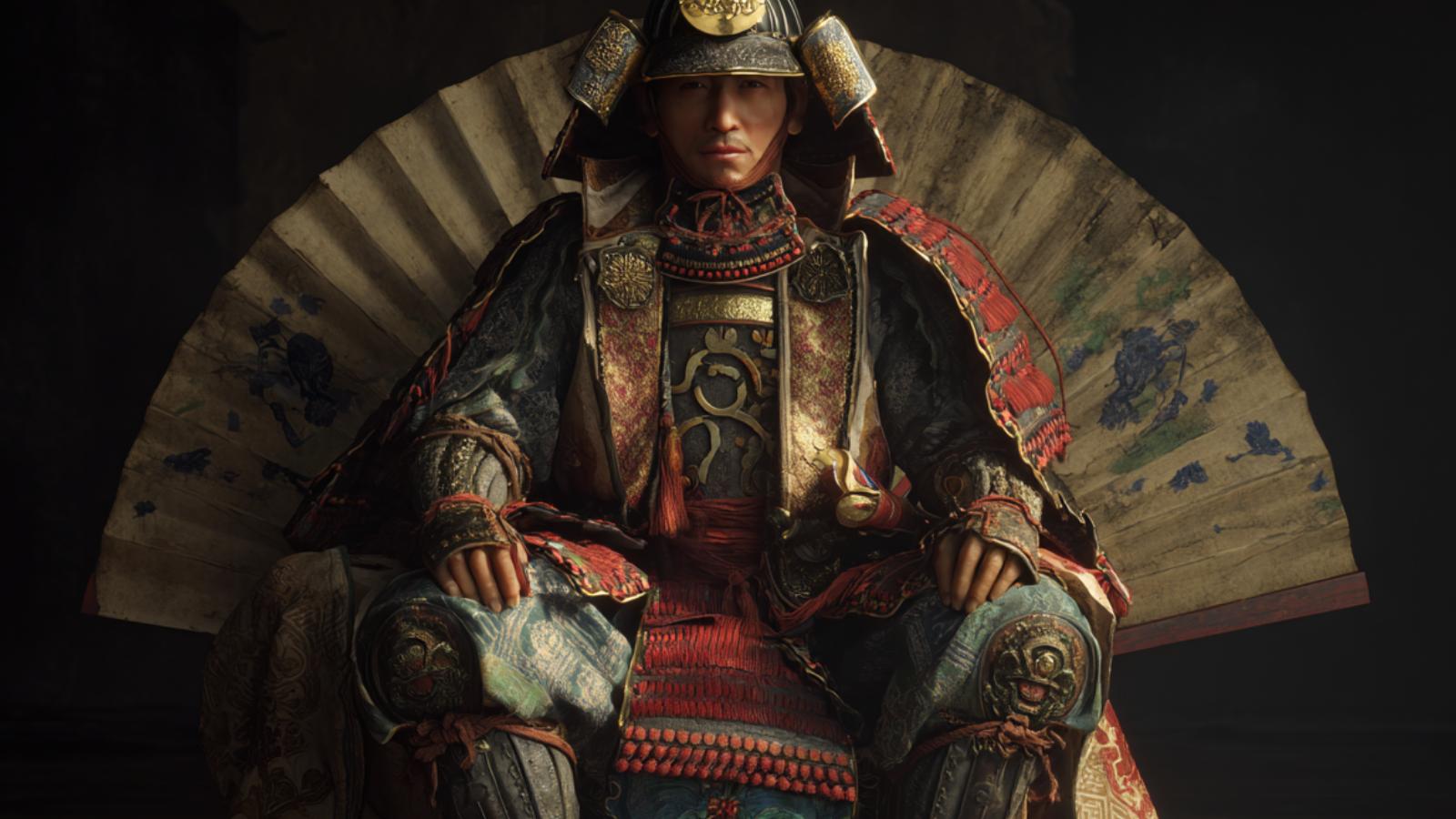
“戦略の先に勝利がある、正勝の道を行け。”
— Victory lies beyond strategy; walk the path of Masakatsu.

| Lead 統率 |
Valor 武勇 |
Intel 知略 |
Pol 政治 |
|---|---|---|---|
| 75 | 80 | 70 | 65 |
| Name (JP) | 蜂須賀 正勝 |
|---|---|
| Title | Daimyo |
| Clan / Force | Tokugawa Clan |
| Era | 1536 – 1615 |
| Origin | Tosa |
| Key Battles | |
| Arts | Noh Theatre |
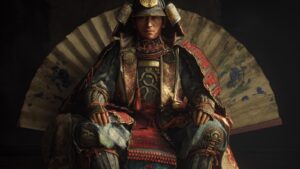
About Hachisuka Masakatsu
Coming from a samurai lineage, he was raised in the traditions and ethics of bushido.
His was characterized by the constant conflicts of the Sengoku period, which shaped his skills in leadership and combat.
Masakatsu began his career as a retainer serving under the powerful daimyo, Chōsokabe Motochika.
His talents quickly became apparent as he participated in various campaigns during the late 16th century.
He distinguished himself in through his strategic insights and bravery, leading to his eventual to the rank of daimyo.
His reputation as a capable leader grew as he navigated through the political intrigues of the time, showcasing a blend of valor and intellect that drew admiration from allies and enemies alike.
Throughout his career, Hachisuka participated in numerous key during the Sengoku period, including the notable engagement at Nagakute and the Siege of Fort Kakegawa.
His tactical decisions often turned the tide in favor of his forces, earning him a respected place among his contemporaries.
He was known for his combination of swift maneuvers and calculated strategies, ensuring that his forces maintained both a defensive and offensive advantage during confrontations.
Masakatsus lived on beyond his death in 1615.
He was recognized not only for his military prowess but also for his efforts in laying the groundwork for stability in his domain.
His contributions to the arts, particularly Noh Theatre, illustrated his understanding of culture and its importance even amidst warfare.
Today, he is remembered as a steadfast daimyo whose ambitions helped shape the future of his province and contributed to the unity of Japan in the early Edo period.




comment