
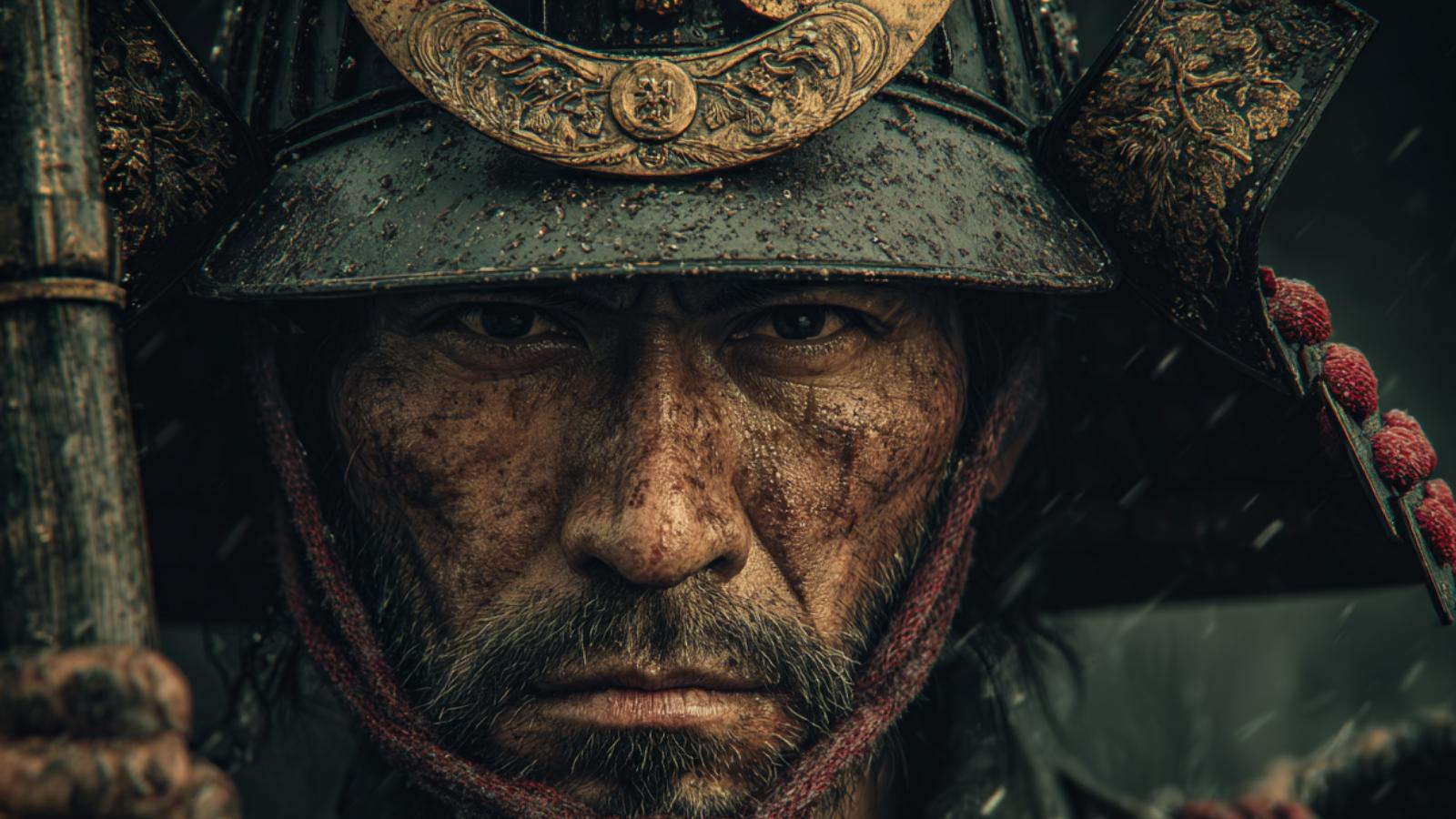
“勝利への道は一つ、勇気を持って進むことだ。”
— The path to victory is one: to advance with courage.

| Lead 統率 |
Valor 武勇 |
Intel 知略 |
Pol 政治 |
|---|---|---|---|
| 80 | 85 | 75 | 60 |
| Name (JP) | 後藤 又兵衛 |
|---|---|
| Title | Warlord |
| Clan / Force | Toyotomi Army |
| Era | 1560 – 1600 |
| Origin | Higo |
| Key Battles | |
| Arts | Noh Theatre |
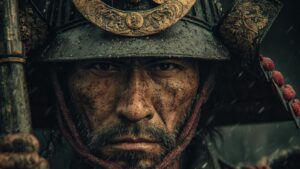
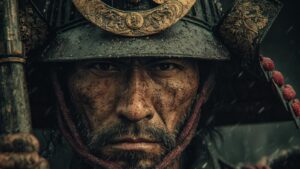
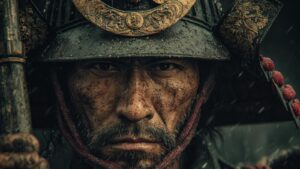
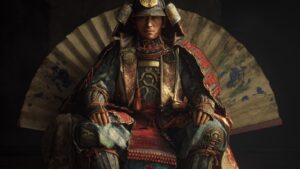
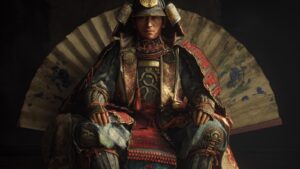
About Goto Matabei
Coming from a family of samurai, he was trained from a young age in the arts of combat and strategy, laying the foundation for his illustrious career.
His early experiences fortified his reputation, especially among the troops he commanded, as he quickly showed a knack for warfare.
Matabei rose to prominence under the command of several daimyos, most notably Toyotomi Hideyoshi.
His boldness in battle and crucial contributions during various campaigns earned him respect and admiration.
As wars raged throughout Japan, he became known for his ability to inspire troops and rally forces against overwhelming odds.
His strategic mind also played a significant role in securing vital victories that shaped the alliances and rivalries of his time.
Throughout his career, Goto Matabei participated in numerous key, showcasing his combat strength and tactical intelligence.
His most notable contributions were during the Siege of Odawara and the Battle of Sekigahara, where he demonstrated remarkable prowess on the battlefield.
His personal valor was undisputed, evident in the fierce engagements he led.
However, his life was tragically cut short at Sekigahara in 1600, where he met his end, but his endured through the stories of his bravery and leadership.
Although Goto Matabeis life ended in the heat of battle, his as a capable and courageous samurai carried on through generations.
Today, he is remembered as a symbol of loyalty and strength among the samurai class.
His personal motto and stories inspire many, reflecting the indomitable spirit of the samurai during Japans era of warfare.
Matabeis impact on his comrades and the strategies he developed during his military career make him an essential figure in Japanese history.
comment