
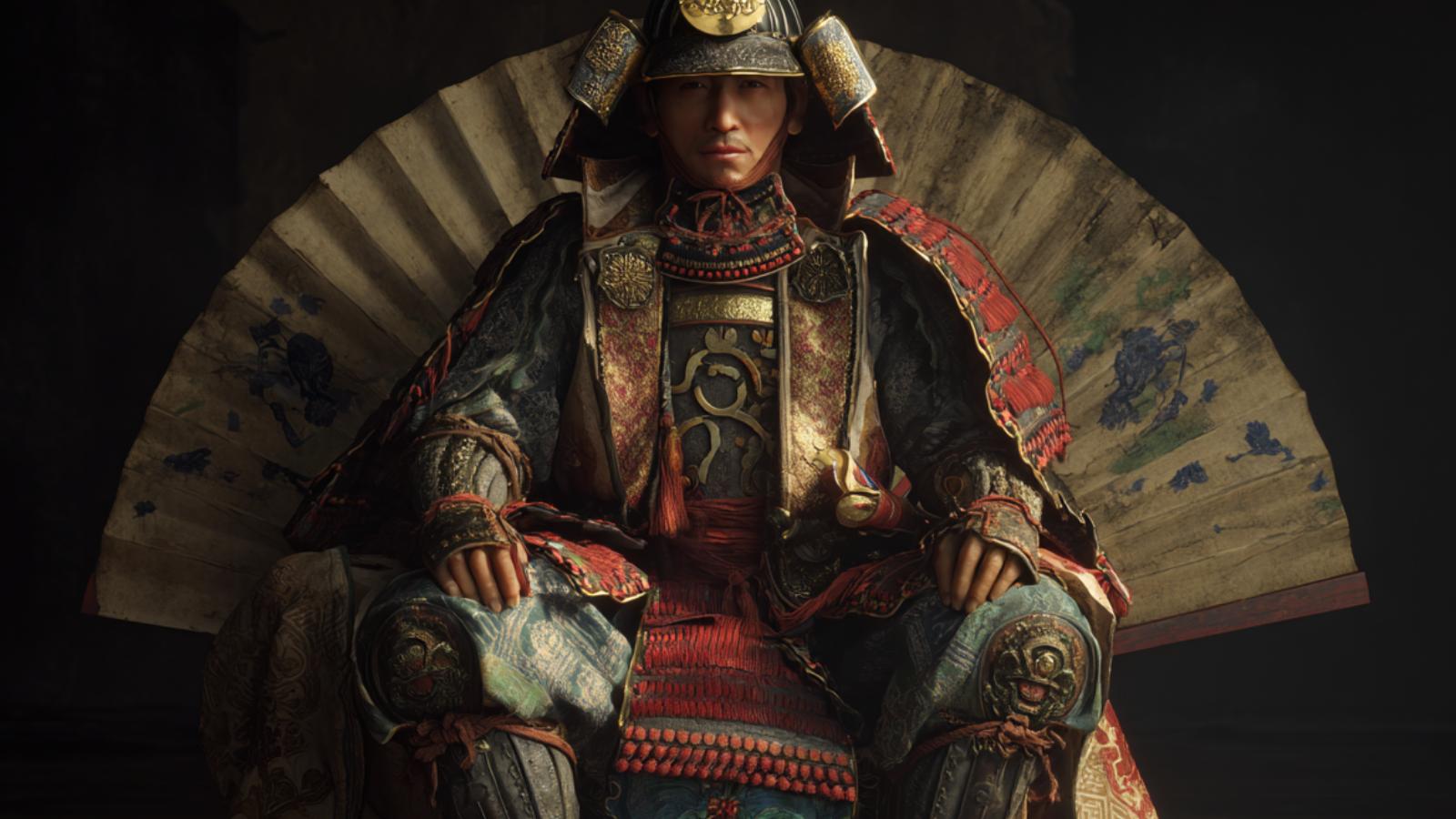
“勇気と誠実は、真の力なり。”
— Courage and sincerity are the true strengths.

| Lead 統率 |
Valor 武勇 |
Intel 知略 |
Pol 政治 |
|---|---|---|---|
| 75 | 80 | 70 | 65 |
| Name (JP) | 蒲生 定秀 |
|---|---|
| Title | Daimyo |
| Clan / Force | Date Clan |
| Era | 1534 – 1597 |
| Origin | Mutsu |
| Key Battles | |
| Arts | Calligraphy |
About Gamo Sadahide
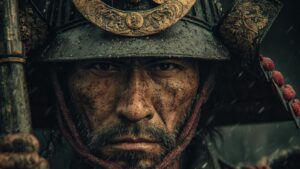
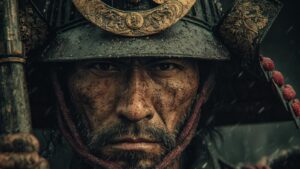
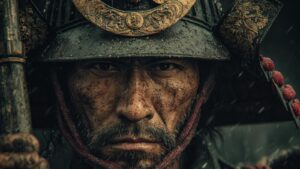
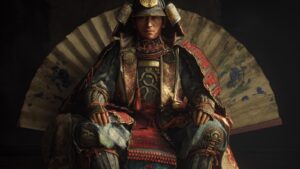
He grew up during a tumultuous period in Japanese history, characterized by constant warfare among rival clans.
This environment cultivated his martial skills from a young age, and he soon distinguished himself in local conflicts.
Through his early military campaigns, Sadahide rose through the ranks.
He initially served under prominent daimyos, where he built a solid reputation for his leadership and bravery.
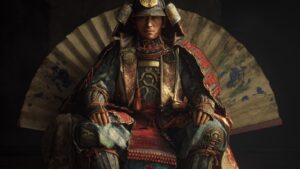
His strategic insight into battlefield tactics earned him a position of power, eventually leading him to control his own domain as a daimyo.
He was noted for his loyalty to the powerful clan leaders of the time, which allowed him to secure valuable alliances that would fortify his standing.
Furthermore, his calls for unity among the war-torn provinces were instrumental in rallying local forces to his side.
Sadahides military career included participation in several key during the Sengoku period.
He was often at the forefront of encounters against rival clans.
His valor on the battlefield was widely respected, leading to numerous victories that solidified his reputation as a capable general.
However, he also faced challenges, as the unpredictable nature of his time meant that victories were often followed by sudden betrayals or shifts in power dynamics, requiring Sadahide to constantly navigate a complex political landscape.
Gamo Sadahide passed away in 1597, but his impact on the region was lasting.
He is remembered as a capable leader who emphasized the importance of honor and loyalty.
His descendants continued to influence the region, and he left behind a of strategic military thinking and effective governance.
Today, Sadahides life serves as an illustration of the tumultuous yet vibrant era of the Sengoku, as well as the evolution of the samurai ethos in Japan.
comment