
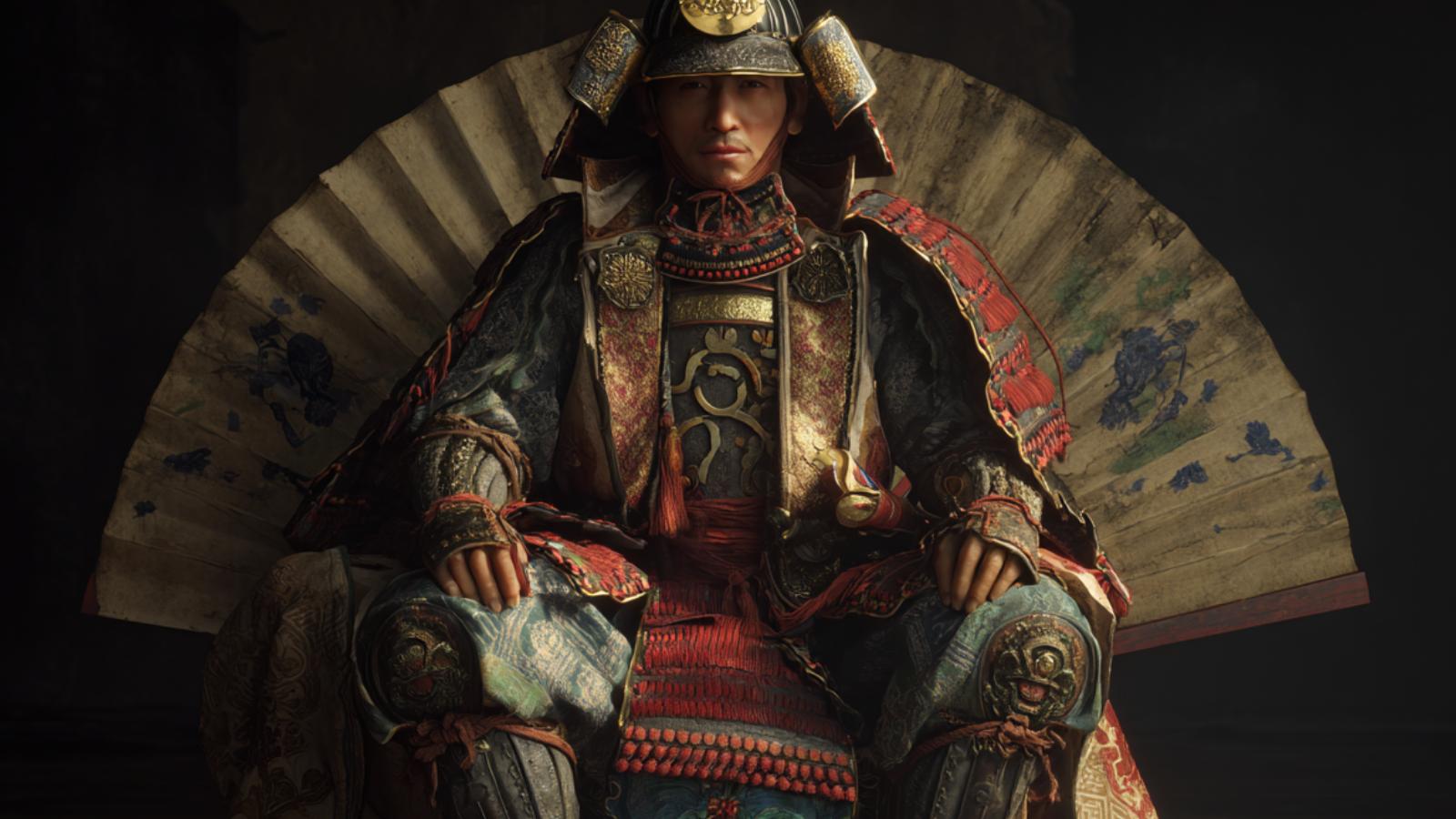
“戦は常に勝ち得られるものではない。”
— War is not always something that can be won.

| Lead 統率 |
Valor 武勇 |
Intel 知略 |
Pol 政治 |
|---|---|---|---|
| 72 | 68 | 74 | 60 |
| Name (JP) | 不破 直光 |
|---|---|
| Title | Daimyo |
| Clan / Force | Takeda Clan |
| Era | 1510 – 1565 |
| Origin | Tōtōmi |
| Key Battles | |
| Arts | Martial Arts |
About Fuwa Naomitsu
His lineage provided him with a strong martial upbringing, and he was trained in various arts of combat from a young age.
Growing up during the turbulent Sengoku period, Naomitsu witnessed the fractious nature of feudal Japan, which would shape his future endeavors as a warrior.
As he matured, Naomitsu quickly gained recognition for his tactical acumen in local skirmishes.
Initially serving under notable lords, he demonstrated his capability to lead troops effectively.
His service during pivotal engagements helped him through the ranks and earn the of daimyo, granting him control over a substantial territory within Tōtōmi and surrounding areas.
Naomitsu’s command style emphasized discipline and training, fostering a loyal following among his troops.
Fuwa Naomitsu participated in numerous during his career.
Notably, he was involved in the conflicts between the Takeda and Uesugi clans, where his strategic insights proved valuable.
His most famous engagement was the defense of his province against invaders, where despite being outnumbered, he managed to repulse the attacking forces through clever maneuvers and battlefield tactics.
These victories solidified his reputation as a skilled general.
Naomitsu’s is one of resilience and capability during a time of great chaos in Japan.
Though not as prominently recognized as some of his contemporaries, he laid a foundation for his descendants that would continue to influence the region for generations.
His teachings in martial arts and leadership principles persisted, contributing to the samurai ethos.
Today, he is regarded as a capable daimyō who played a critical role in the intricate tapestry of Japanese history.









comment