
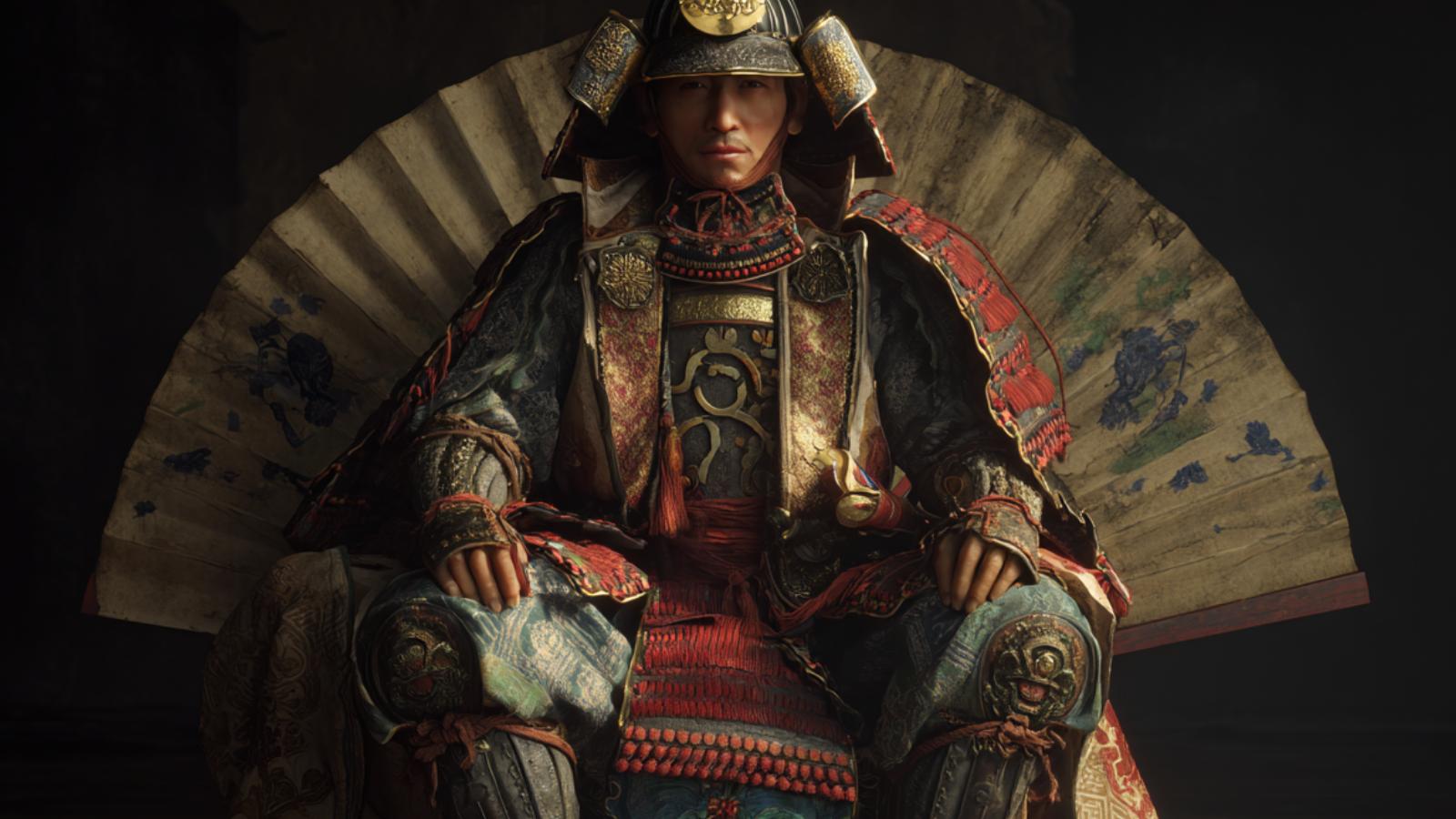
“力を結集せよ、勝利は我に在り。”
— Unite your strength, for victory lies with me.

| Lead 統率 |
Valor 武勇 |
Intel 知略 |
Pol 政治 |
|---|---|---|---|
| 70 | 60 | 75 | 65 |
| Name (JP) | 不破 光治 |
|---|---|
| Title | Daimyo |
| Clan / Force | Unknown |
| Era | 1561 – 1620 |
| Origin | Mutsu |
| Key Battles | |
| Arts | Calligraphy |
About Fuwa Mitsuharu
Growing up amidst the chaos of the late Sengoku period, he was educated in combat and strategy, preparing himself for a future where the skill of a samurai would determine survival and success., As he matured, Fuwa became known for his astute leadership qualities, eventually rising through the ranks to become a respected daimyo.
His ability to forge alliances and manage territories allowed him to expand his influence, proving that political acumen was as vital as martial prowess.
His strength in governance earned him the loyalty of many samurai and peasants alike, ensuring prosperity in his lands., Fuwas military engagements during the late 16th century showcased his strategic intelligence.
He participated in numerous conflicts, including skirmishes against rival clans and significant that sought to unify the fragmented regions of Japan.
While not the most renowned warrior on the battlefield, his effective strategies earned him respect amongst peers and adversaries.
His approach often favored cunning over brute force, allowing him to outmaneuver larger forces., Leaving behind a of effective governance and strategic foresight, Fuwa Mitsuharu’s contributions to the samurai class during one of Japan’s most tumultuous periods are still studied today.
His story is a reminder that while valor in battle holds its place, the true crafts of leadership and diplomacy define the mark of historical greatness.









comment