
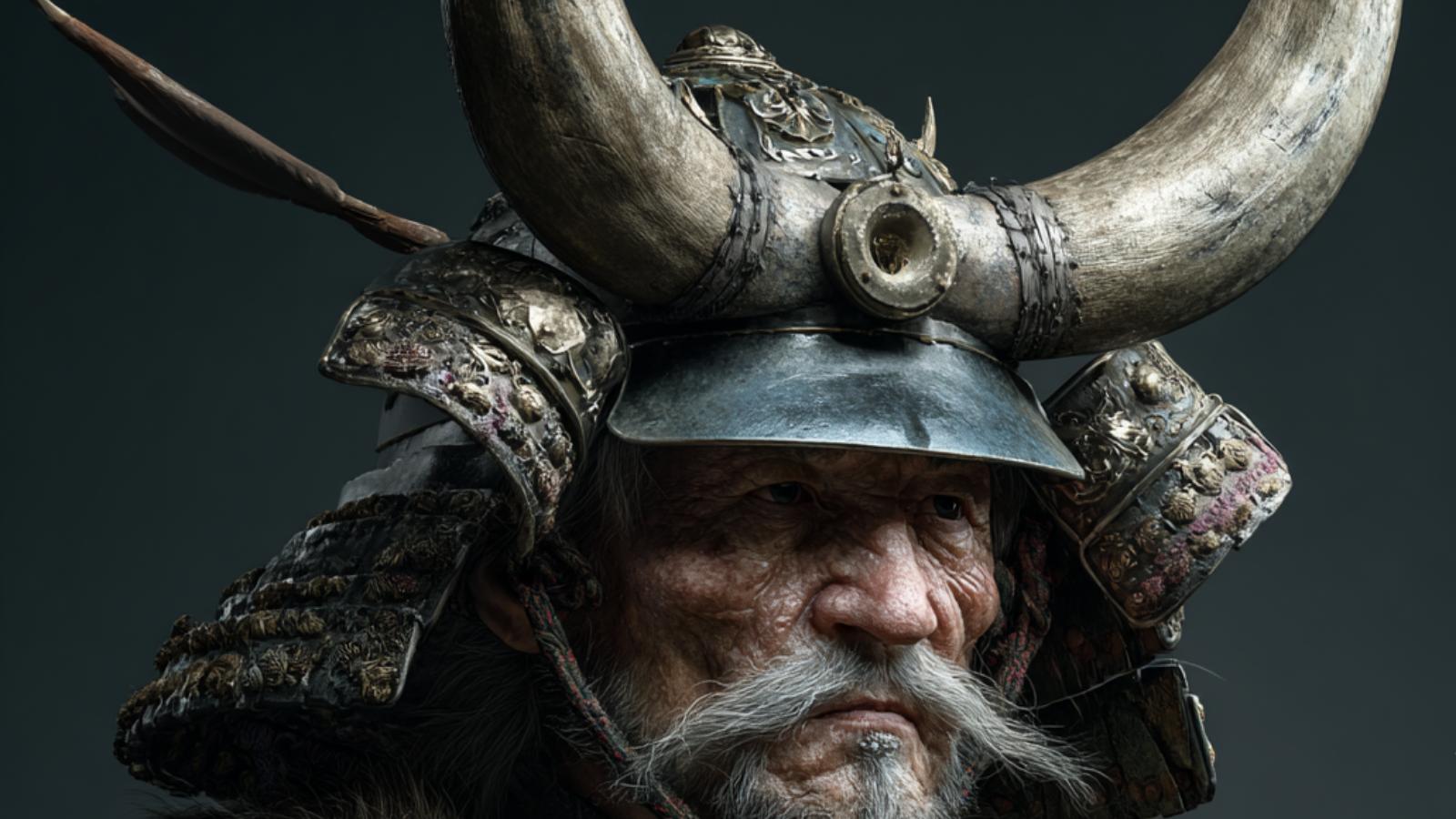
“石の上にも三年。”
— Even a stone can be warmed after three years.

| Lead 統率 |
Valor 武勇 |
Intel 知略 |
Pol 政治 |
|---|---|---|---|
| 82 | 78 | 75 | 70 |
| Name (JP) | 福島 正則 |
|---|---|
| Title | Daimyo |
| Clan / Force | Mitsunari Army |
| Era | 1561 – 1624 |
| Origin | Kozuke |
| Key Battles | |
| Arts | Swordsmanship |
About Fukushima Masanori
His displayed the traditional samurai values of loyalty and honor, which would later define his military career.
He was educated in the art of warfare and strategies of combat, laying a robust foundation for his future endeavors in the tumultuous world of Sengoku Japan.
During the late Sengoku period, Masanori served under Tokugawa Ieyasu, one of the most prominent figures in Japanese history.
His allegiance to Ieyasu was critical; he participated in key that secured Ieyasus position and power.
Masanoris tactical acumen and fierce combat skills earned him recognition on the battlefield, allowing him to through the ranks from a mere retainer to the coveted status of a daimyo.
His leadership was characterized by both decisive strategic moves and the ability to inspire loyalty amongst his troops.
Fukushima Masanori took part in numerous pivotal, including the famous Battle of Sekigahara in 1600, a decisive conflict that effectively established the Tokugawa shogunate.
Masanoris bravery and military strategies were instrumental in achieving victory for Ieyasus forces.
Additionally, he played a vital role in various skirmishes in the Kanto region as the Tokugawa clan solidified their power.
His valor was not only showcased in combat but also through his deeds of managing lands effectively after his victories, receiving praise for both military and governance skills.
Masanoris is marked by his unwavering loyalty to Tokugawa Ieyasu and his substantial contributions to the establishment of the Tokugawa shogunate.
After the unification of Japan, he continued to serve as a daimyo, focusing on developing the lands under his control and supporting peace during the Edo period.
His life and achievements remain a testament to the ideals of the samurai code, influencing generations to come.
His quote, Even a stone can be warmed after three years, reflects his resilience and dedication, honoring the samurai spirit of perseverance.









comment