
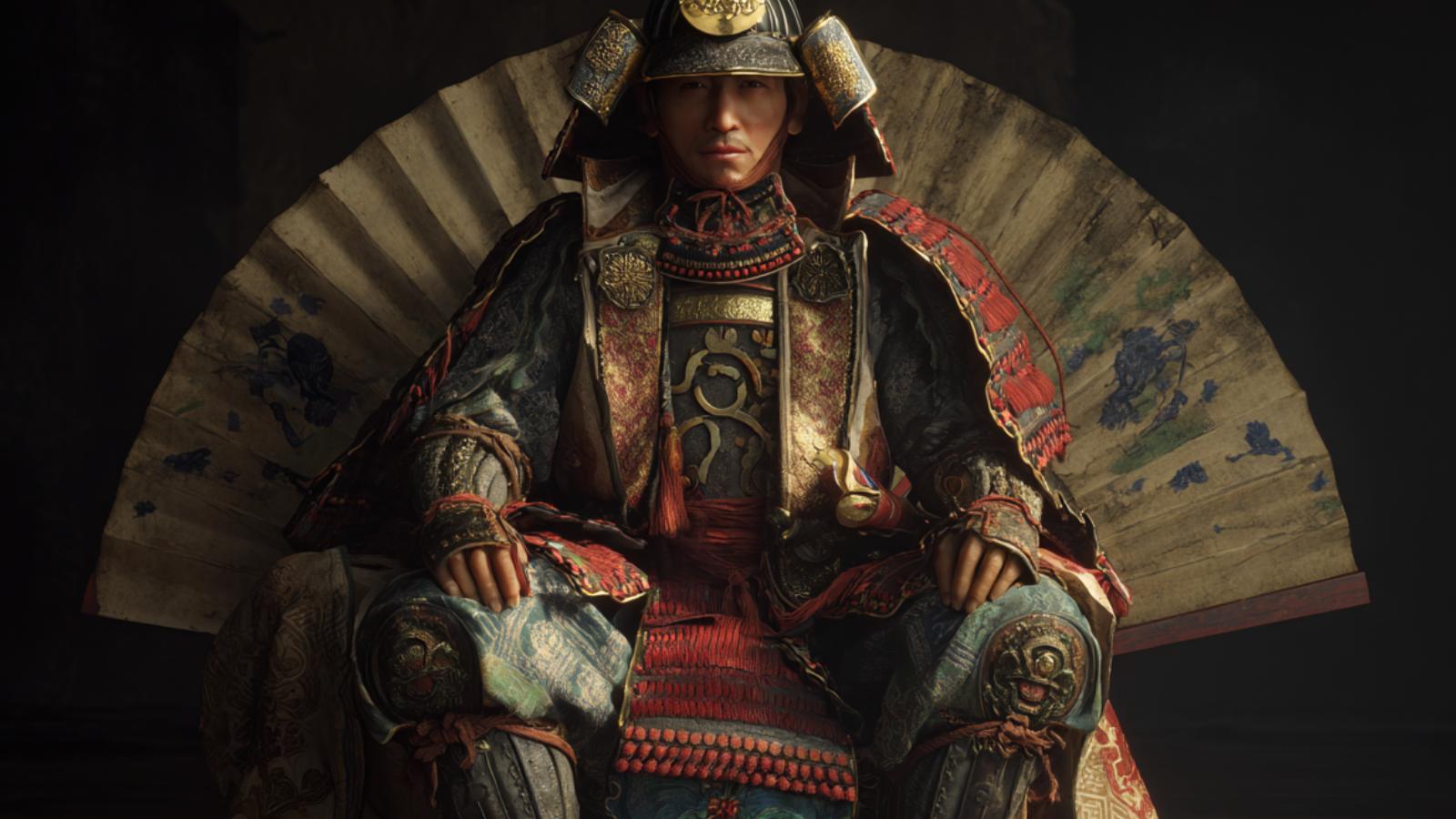
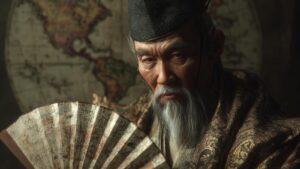
“武士の心は剣に宿る。”
— The spirit of a warrior resides in the sword.

| Lead 統率 |
Valor 武勇 |
Intel 知略 |
Pol 政治 |
|---|---|---|---|
| 75 | 70 | 80 | 65 |
| Name (JP) | 福留 親政 |
|---|---|
| Title | Daimyo |
| Clan / Force | Unknown |
| Era | 1548 – 1590 |
| Origin | Mutsu |
| Key Battles | |
| Arts | Martial Arts |
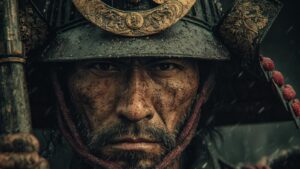
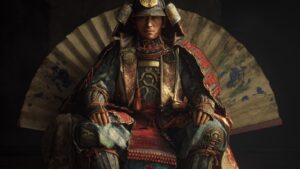
About Fukudome Chikamasa
Coming from a samurai lineage, he was raised in a culture steeped in martial prowess and bushido principles.
His early training in swordsmanship and strategy equipped him for a life of military service, where he would quickly establish his reputation as a capable warrior.
Chikamasa joined the ranks of prominent clans during the tumultuous Sengoku period, earning recognition for his tactical brilliance.
He played a crucial role in several military campaigns, aligning himself with powerful warlords.
His leadership saw him to the position of lord over a considerable territory, where he demonstrated effective governance and the ability to maintain loyalty among his retainers.
Throughout his career, Chikamasa was involved in numerous that showcased his valiant character and strategic mind.
His forces participated in key conflicts during the unification of Japan under the Tokugawa shogunate.
Notably, his strategies contributed to decisive victories that not only expanded his influence but also ensured the stability of his domain amidst the chaos of rival factions.
Fukudome Chikamasa left a lasting impact on the samurai tradition through his military exploits and governance.
Though not as famous as some of his contemporaries, his contributions to the feudal system and martial culture have been recognized by historians.
His quote reflects the deep-seated belief in the warriors spirit that he embodied.
Today, he is remembered not only for his battlefield prowess but also for his commitment to the principles of loyalty and honor.

comment