
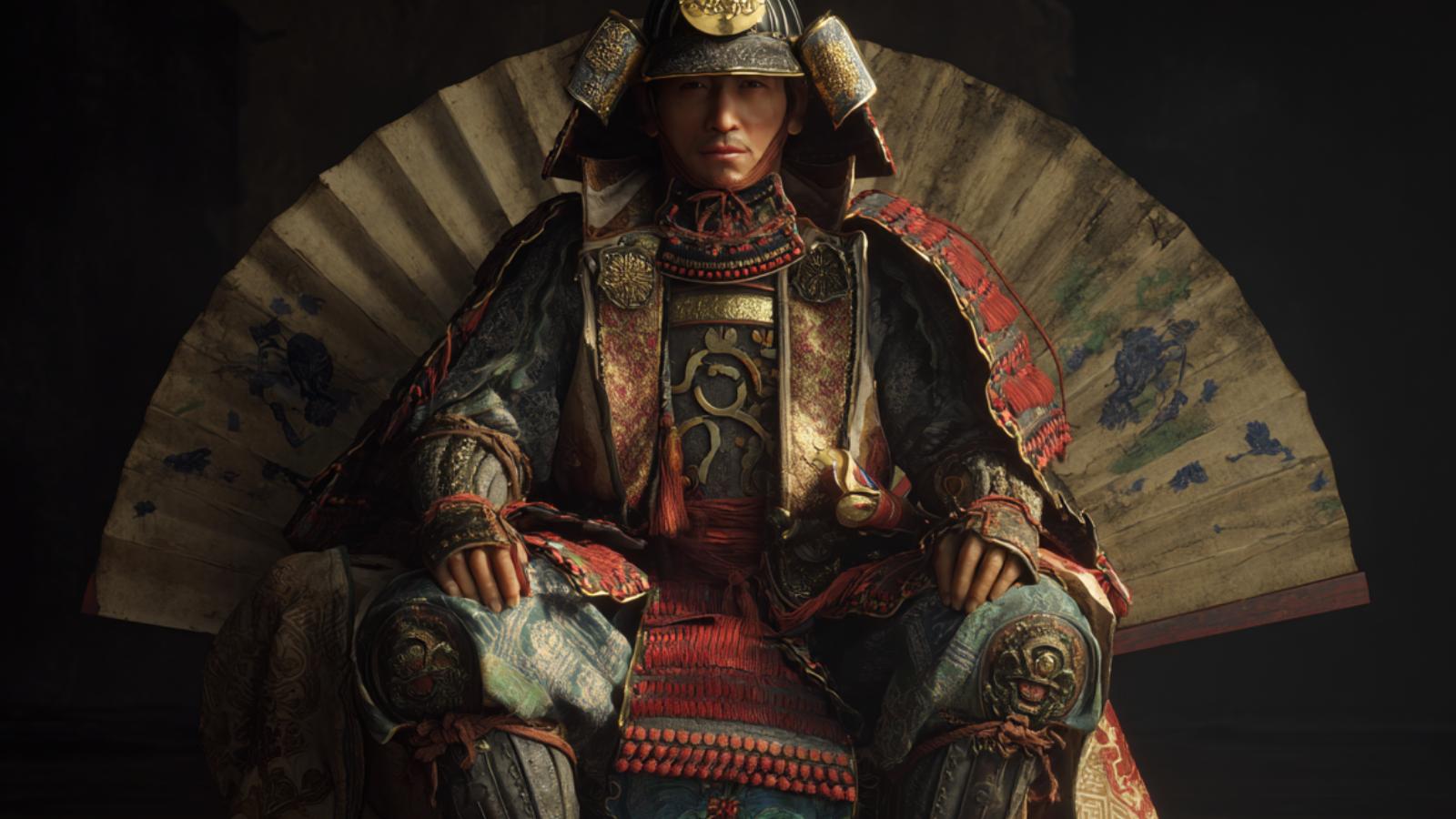
“強者はただ戦うだけではない。”
— The strong do not only fight.

| Lead 統率 |
Valor 武勇 |
Intel 知略 |
Pol 政治 |
|---|---|---|---|
| 75 | 70 | 80 | 65 |
| Name (JP) | 福原 貞俊 |
|---|---|
| Title | Daimyo |
| Clan / Force | Unknown |
| Era | 1560 – 1623 |
| Origin | Tōtōmi |
| Key Battles | |
| Arts | Noh Theatre |
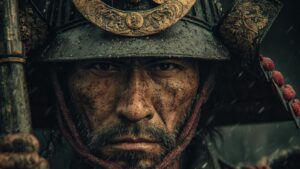
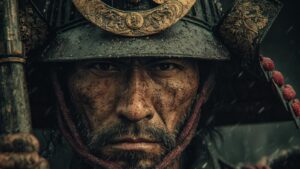
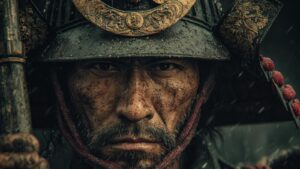
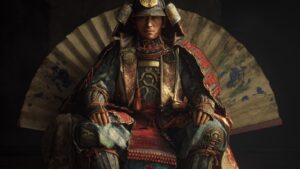
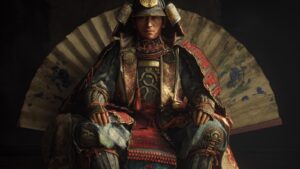
About Fukubara Sadatoshi
His upbringing was marked by the turbulence of the Sengoku period, witnessing the constant conflict between warring clans.
Sadatoshis early training focused on martial arts and strategy, preparing him for an eventual role in the turbulent political landscape of Japan.
In his early twenties, Sadatoshi embarked on his military career as a retainer under a local daimyo.
His leadership traits quickly emerged during skirmishes against rival factions.
His tactical insights and ability to rally troops earned him significant recognition, leading to his promotion to a daimyo by 1590.
Under his rule, Tōtōmi thrived economically, partly due to his adept handling of both military and civil affairs.
Throughout his career, Sadatoshi played pivotal roles in several key during the late Sengoku and early Edo periods.
He was known for implementing innovative tactics that often turned the tide of battle in favor of his forces.
His valor on the battlefield was commendable, though he preferred outsmarting his foes over brute strength.
His reputation was further cemented during the Battle of Sekigahara, where he allied with Tokugawa Ieyasu, solidifying his influence in the new order of Japan.
Fukubara Sadatoshi left a lasting impact on the cultural landscape of Tōtōmi.
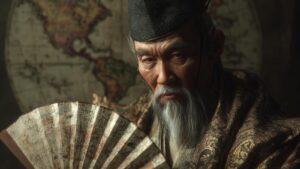
His patronage of Noh theatre not only enriched local culture but also provided a means of promoting his political ideals through performances.
He is remembered as a strategist who understood that true strength lies in both military prowess and cultural depth.
Sadatoshi passed away in 1623, but his continued through the arts and strategic thinking he instilled in his retainers.
comment